Introduction to Burj Khalifa: The Dubai Highest Building
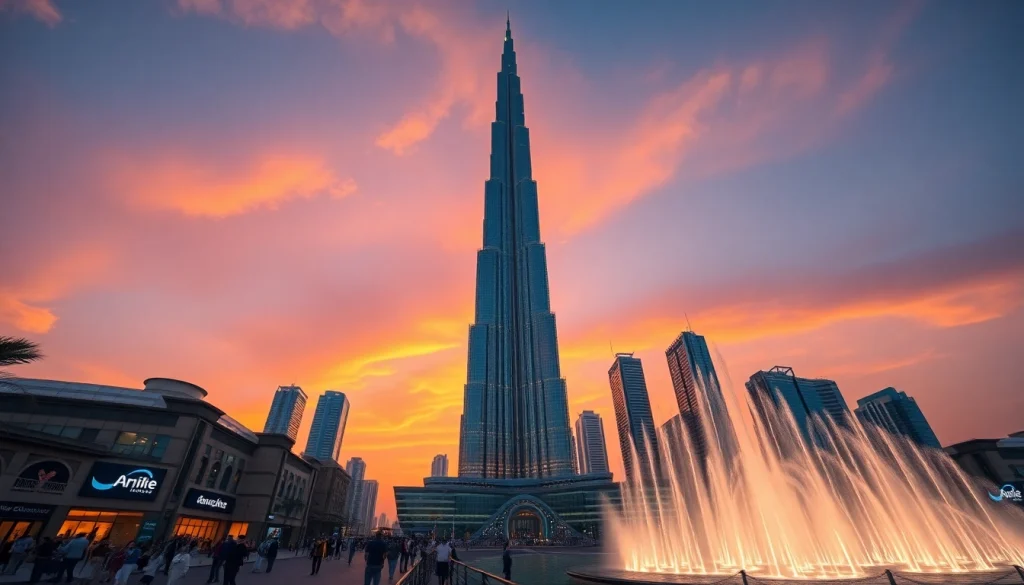
The Burj Khalifa, standing at an awe-inspiring height of 828 meters (2,717 feet), is not just an architectural wonder but a symbol of Dubai’s ambition and prosperity. As the tallest building in the world, it represents the pinnacle of modern engineering and design, captivating millions of tourists each year. Located in the heart of Dubai, this iconic skyscraper attracts visitors with its breathtaking views, luxurious amenities, and rich cultural significance. When exploring options, Dubai highest building provides comprehensive insights into this magnificent structure that stands as a testament to what can be achieved with vision and determination.
The Story Behind the Iconic Structure
Construction of the Burj Khalifa began in 2004, with its official opening taking place in January 2010. Designed by the renowned architectural firm Skidmore, Owings & Merrill, the Burj Khalifa was envisioned as a centerpiece for a large-scale development project in Downtown Dubai. Inspired by traditional Islamic architecture and the desert flower hymenocallis, its unique design embodies a blend of cultural heritage and contemporary aesthetics. The building’s name, “Khalifa,” honors Sheikh Khalifa bin Zayed Al Nahyan, the President of the United Arab Emirates, for his support in the project’s development.
Architectural Features That Define Burj Khalifa
The architectural brilliance of Burj Khalifa is marked by several key features that set it apart. Its Y-shaped floor plan is designed to optimize views and provide structural stability, allowing for its incredible height. The building consists of 163 floors, with a mix of luxury residences, office spaces, and the Armani Hotel, making it a vibrant hub of activity. The exterior is clad in reflective glass, which not only enhances its aesthetic appeal but also contributes to energy efficiency, showcasing the integration of sustainability into its design.
The Role of Burj Khalifa in Dubai’s Skyline
The Burj Khalifa has redefined the skyline of Dubai, establishing itself as a global icon. Its towering presence casts a long shadow over the surrounding area, influencing the architectural landscape and urban development in the region. As a nucleus of commerce and tourism, it attracts visitors who come to experience its observation decks, dine in its high-end restaurants, and partake in the myriad events held in its vicinity, including the famous Dubai Fountain shows. The building has become synonymous with luxury and innovation, making it a must-see destination for anyone visiting the city.
Engineering Marvels of the World’s Tallest Building
Innovative Technologies Used in Its Construction
Building the Burj Khalifa was a monumental challenge that required cutting-edge technologies and materials. The use of high-strength concrete, which is crucial for supporting the skyscraper’s weight, was a game changer in the construction process. A remarkable feat involved the pump used to elevate the concrete to unprecedented heights – it remains one of the tallest concrete structures ever built. Additionally, the building employs advanced elevator systems, including the world’s fastest passenger elevator, which travels at speeds of up to 10 meters per second, catering to the high demand for vertical transportation.
Structural Challenges Overcome During Building
The construction of Burj Khalifa was fraught with challenges, primarily due to its unprecedented height. Engineers had to tackle issues such as wind resistance and seismic activity, ensuring that the building could withstand extreme conditions. The innovative design and engineering methods used, including a three-dimensional model for simulations, allowed for rigorous testing and adaptation to unforeseen challenges. The result is a structure that not only reaches for the sky but also manages to stand resiliently against nature’s forces.
Sustainability Practices in Burj Khalifa’s Design
Sustainability was a key consideration in the design of Burj Khalifa. The building incorporates a sophisticated water recycling system, collecting and reusing water from its air conditioning systems to irrigate the surrounding gardens and landscaped areas. Additionally, the façade is designed to minimize solar heat gain, contributing to energy efficiency and reducing the overall ecological footprint of this towering structure. Such practices position the Burj Khalifa as a model for sustainable high-rise buildings globally.
Visiting Burj Khalifa: Tips and Highlights
What to Expect When Visiting the Observation Deck
Visiting the Burj Khalifa is an unforgettable experience, particularly from its observation decks located on the 124th, 125th, and 148th floors. Guests can enjoy panoramic views of Dubai and the surrounding desert, making it a perfect photography spot. The experience begins with a multimedia presentation detailing the building’s history and construction, followed by a swift elevator ride to the top. The observation decks are equipped with telescopes for up-close viewing and offer various informational displays about the city.
Best Times to Experience Burj Khalifa
Timing your visit to the Burj Khalifa can enhance the overall experience significantly. Early morning or late afternoon are considered the best times to visit for stunning sunrise or sunset views. Additionally, weekdays tend to be less crowded than weekends, offering a more relaxed experience for those wishing to explore the observation decks thoroughly. Planning ahead and booking tickets online can also help visitors avoid long waiting times, ensuring a smoother experience.
Nearby Attractions to Explore
The Burj Khalifa is ideally situated near several attractions that enhance any visit to the city. The Dubai Mall, one of the largest shopping centers globally, offers a myriad of shopping, dining, and entertainment options, including an aquarium and an ice rink. The Dubai Fountain, located at the base of the Burj Khalifa, captivates with its choreographed water performances set to music, drawing crowds year-round. For those seeking cultural enrichment, the Dubai Opera and Souk Al Bahar are just a short distance away, rounding out the experience of visiting this monumental skyscraper.
The Economic Impact of Dubai’s Highest Building
Tourism Growth Driven by Burj Khalifa
The Burj Khalifa has been a catalyst for tourism growth in Dubai, attracting millions of visitors each year from around the globe. As a premier destination, it has significantly contributed to the local economy by boosting tourism-related businesses, including hotels, restaurants, and retail establishments. The impact is felt beyond just tourism; the building serves as an impetus for events and exhibitions, drawing international attention to Dubai as a center for business and leisure.
Real Estate Developments Linked to Burj Khalifa
The presence of Burj Khalifa has sparked numerous real estate developments in its vicinity, reshaping Downtown Dubai into a vibrant urban hub. Luxury residences, commercial spaces, and hotels have sprung up around the iconic skyscraper, catering to affluent buyers and investors. Developments such as the Dubai Mall and the Dubai Fountain further enhance property values in the area, turning it into one of the most sought-after locales for real estate investment in the region.
Future Developments in Downtown Dubai
Looking ahead, Downtown Dubai is poised for further growth, with plans for additional developments that will complement the presence of Burj Khalifa. New projects are expected to focus on mixed-use spaces that offer both residential and commercial opportunities, along with enhanced public amenities. The anticipated expansion will not only maintain the area’s status as a prime destination but will also contribute to Dubai’s vision of becoming a global city of the future.
Future Trends and Innovations in Skyscraper Design
The Next Generation of Skyscrapers Beyond Burj Khalifa
The Burj Khalifa has set the bar high for skyscraper design, inspiring architects and engineers worldwide to push the boundaries of what is possible. Future skyscrapers are anticipated to incorporate even more advanced technologies, including smart building systems that promote energy efficiency and occupant comfort. Innovations in construction materials and techniques will likely enable taller and more sustainable structures, while architectural designs may reflect a greater emphasis on environmental integration and resilience.
Global Influence of Burj Khalifa on Urban Development
Beyond its physical presence, the Burj Khalifa has had a profound impact on urban development globally. It has become a prototype for cities aiming to enhance their profiles through iconic architecture, encouraging a trend toward vertical urbanism that maximizes space utilization in congested areas. This influence extends to the development of mixed-use complexes that foster community interaction and sustainability, encouraging cities to rethink their architectural and urban planning strategies.
Predictions for Tall Buildings in 2025 and Beyond
As we look to the future, the trend toward ever-taller buildings is expected to accelerate, with predictions suggesting that the tallest skyscrapers of 2025 will likely exceed the Burj Khalifa’s height. New technologies in construction and engineering will facilitate this rapid progression, focusing on sustainability and efficiency. The Burj Khalifa will remain a reference point in this ongoing journey, inspiring a new generation of architects and urban planners as they reimagine the skyline of tomorrow.