

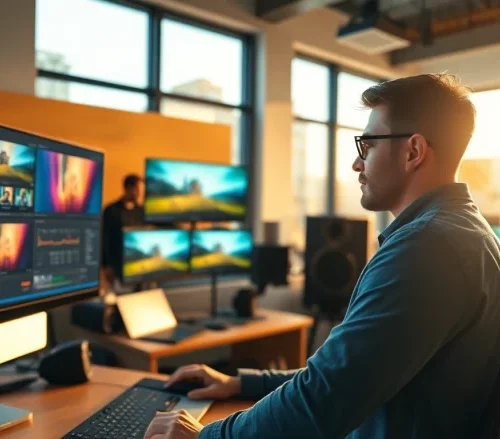
Understanding Video Editing Services
What are Video Editing Services?
Video editing services involve the manipulation and arrangement of video footage to create a final product that meets specific creative or functional objectives. Whether for personal, commercial, or educational use, these services can encompass a variety of tasks, including cutting, trimming, and joining video clips, adding sound, applying effects, and integrating graphics. Professional video editing services ensure that your video content is polished and engaging, ready for distribution across various platforms.
The Importance of Professional Editing
Professional video editing is crucial for several reasons. Firstly, it enhances the aesthetic quality of your videos, which can significantly impact viewer engagement. An edited video can help convey the intended message more clearly, create emotional connections, and retain audience attention. Additionally, professional editing reflects a brand’s identity and standards, which can influence the audience’s perception of your business or project. Poorly edited videos might detract from the content’s quality and, by extension, your credibility.
Types of Video Editing Services Available
There are various types of video editing services available, tailored to meet the diverse needs of clients. These include:
- Corporate Video Editing: Creating promotional or training videos that align with corporate branding.
- Creative Video Editing: Focusing on narrative-driven content, such as short films or documentaries.
- Social Media Editing: Producing videos optimized for platforms like Instagram, YouTube, and TikTok.
- Event Highlights Editing: Capturing and compiling memorable moments from events like weddings, parties, or corporate gatherings.
- Technical Editing: Focusing on educational content and tutorials that demand accuracy in presentation.
Choosing the Right Provider for Video Editing
Key Factors to Consider
Choosing the right video editing service provider involves several key considerations:
- Experience and Expertise: Look for service providers with a proven track record in your specific industry or project type.
- Portfolio: Review their past work to understand their style and quality. A diverse portfolio often indicates versatility and capability.
- Technology and Tools: Ensure they are using up-to-date editing software, which can significantly affect the final product’s quality.
- Communication: Effective communication is critical in understanding your vision and needs. A good provider should demonstrate openness and responsiveness.
- Timeline and Flexibility: Confirm that their timeline aligns with your project deadlines and consider their flexibility for revisions or last-minute changes.
Comparing Pricing Models
Pricing for video editing services can vary widely based on factors like complexity, duration, and the type of editing required. Common pricing models include:
- Hourly Rate: Many editors charge an hourly rate, which can range from $15 to $150 or more, depending on their level of expertise.
- Per-Project Rate: Ideal for clients with defined scopes, this method involves a flat fee for the entire project, promoting transparency.
- Monthly Subscriptions: Some providers, such as beCreatives, offer unlimited editing services for a monthly fee. This model can be economical for businesses with ongoing video needs.
Reading Reviews and Testimonials
Before committing to a video editing service, researching client reviews and testimonials can provide valuable insights. Look for feedback regarding delivery quality, communication flow, and post-production support. Platforms like Fiverr or Upwork allow clients to leave reviews, which are essential for evaluating potential service providers.
The Process of Video Editing
Pre-Editing Preparations
Preparing for editing involves several steps to ensure a smooth process. Start by organizing and categorizing your raw footage based on content types and themes. Create a directory structure that’s easy to navigate. It’s also essential to script or outline your video to keep the narrative focused and engaging. The pre-editing stage is crucial for setting the foundation for efficient editing.
Editing Techniques and Tools
Video editing combines artistic vision with technical skills. Some fundamental techniques include:
- Cutting and Montage: Selecting and trimming clips to create cohesive storytelling.
- Transitions: Using dissolve, wipe, or other effects to enhance the flow and cohesion between scenes.
- Color Grading: Adjusting color schemes to set the video’s tone and mood, which can influence viewer perception.
- Audio Editing: Balancing sound levels, adding background music, and noise reduction to enhance the viewer’s experience.
Utilizing industry-standard tools such as Adobe Premiere Pro, Final Cut Pro, or DaVinci Resolve can further enhance editing capabilities and results.
Post-Production Best Practices
Post-production is where the magic happens. Once the editing is complete, focus on reviewing the entire video for consistency and flow. It is also essential to implement proper exporting settings, optimizing for different platforms (e.g., YouTube, Instagram) based on their specifications. Finally, gather feedback for potential revisions and ensure that the final product aligns with your initial vision.
Maximizing the Impact of Your Edits
Strategies for Enhanced Visual Storytelling
The goal of video editing is not just to assemble clips but to create a compelling story. Here are strategies to enhance storytelling:
- Identify Key Themes: Focus on a central theme or message that resonates with your audience.
- Character Development: If applicable, build character arcs that provide emotional engagement.
- Show, Don’t Tell: Use visuals to tell the story instead of relying solely on narration or text overlays.
Optimizing Videos for Different Platforms
Each platform has its preferences and audience behaviors. For instance:
- Instagram: Shorter, visually striking videos work best, often enhanced with compelling captions or tags.
- YouTube: High-quality production values are expected; longer formats with thorough storytelling can thrive.
- Facebook: Videos should be engaging within the first few seconds, ideally formatted for autoplay without sound.
Tailoring your content for each platform not only enhances audience engagement but also improves overall reach and effectiveness.
Engaging Your Audience Through Editing
Engagement can be driven by factors such as pacing, transitions, and interactive elements. Consider using:
- Dynamic Editing: Keep rhythm and flow to maintain attention throughout.
- Call-to-Actions: Create prompts that encourage viewer interaction, such as subscribing, commenting, or sharing.
- Visual Aids: Incorporate graphics, charts, or animations to complement and enhance the message without overwhelming the viewer.
Future Trends in Video Editing Services
The Rise of AI in Video Editing
Artificial Intelligence is transforming the landscape of video editing, making processes faster and more efficient. AI tools can automatically edit videos based on parameters set by the user, such as pacing, shot selection, and even style preferences. These innovations can significantly reduce editing time while providing high-quality results, democratizing access to professional-grade editing.
New Technologies Shaping the Industry
Emerging technologies like 360-degree video, virtual reality, and augmented reality provide dynamic storytelling possibilities. As these technologies grow, the demand for skilled editors who can navigate these mediums will increase. Understanding these tech trends can help video professionals anticipate future needs and innovate accordingly.
Sustainable Practices in Video Production
As sustainability becomes an increasingly important topic across all industries, video editing services are no exception. Practices such as reducing energy consumption, minimizing waste by utilizing digital platforms, and supporting local talent can contribute positively to environmental sustainability. Many companies are also beginning to embrace eco-friendly production methods, appealing to socially conscious consumers.