
GRP Grating: Durable Structural Profiles for Industrial Use
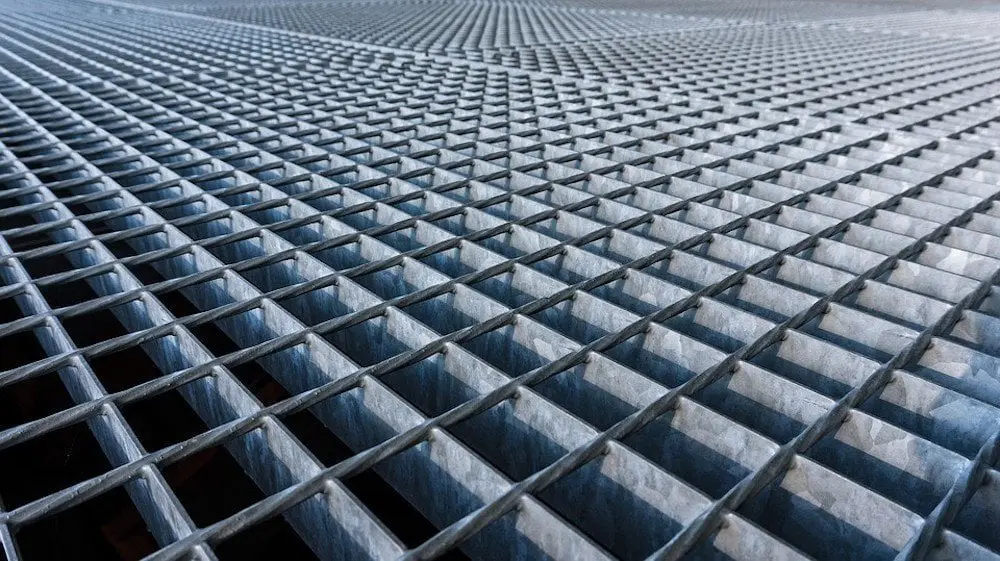
GRP Grating has become a cornerstone of modern industrial infrastructure, offering a versatile and durable alternative to traditional steel and timber flooring systems. Industries across construction, utilities, marine, and manufacturing are increasingly recognizing the benefits of GRP Grating due to its lightweight design, corrosion resistance, and cost-effectiveness. In this comprehensive guide, we will explore why GRP Grating is redefining structural solutions and why it has become an indispensable component in industrial settings.
What Is GRP Grating?
GRP, or Glass Reinforced Plastic, Grating is a composite material made by combining thermosetting resins with glass fibres. The glass fibres provide remarkable tensile strength, while the resin matrix binds them together, producing a strong, lightweight, and corrosion-resistant product. The resulting GRP Grating is both durable and easy to maintain, making it suitable for demanding industrial environments.
There are two primary types of GRP Grating:
- Moulded GRP Grating: Designed for high-impact and wet environments, moulded GRP Grating provides excellent chemical resistance and long-term durability, making it ideal for water treatment, chemical processing, and marine applications.
- Pultruded GRP Grating: This type is engineered for higher load-bearing capacities and longer spans. Pultruded GRP Grating is perfect for walkways, platforms, and industrial floors requiring extra strength without adding excessive weight.
Both types are non-conductive, fire-retardant, and require minimal maintenance, making them a safe and cost-effective choice for industrial use.
Key Benefits of GRP Grating
1. Corrosion Resistance
One of the most significant advantages of GRP Grating is its inherent resistance to corrosion. Unlike steel, which can rust and degrade over time, GRP is unaffected by moisture, chemicals, oils, and saltwater. This makes GRP Grating ideal for chemical plants, marine environments, and water treatment facilities. Industries benefit from a longer service life, reduced maintenance costs, and no need for coatings or protective treatments.
2. Lightweight Yet Strong
GRP Grating offers a unique combination of lightweight construction and high strength. It is considerably lighter than traditional steel, which simplifies transportation, handling, and installation. Despite its reduced weight, GRP Grating can support significant loads, especially in pultruded forms, without compromising structural integrity. This ease of installation also reduces labor costs and eliminates the need for heavy lifting equipment, ensuring safer handling for workers.
3. Slip Resistance
Safety is paramount in industrial environments, and many GRP Gratings feature integrated anti-slip surfaces, such as quartz grit or embossed textures. This ensures reliable slip resistance even in wet, oily, or chemically exposed areas. By enhancing workplace safety, GRP Grating helps organizations meet regulatory standards and reduces the risk of accidents and downtime.
4. Fire Retardancy and Non-Conductivity
GRP Grating can be manufactured with fire-retardant resins and is naturally non-conductive. These features make it suitable for electrical installations, offshore platforms, and areas with flammable materials. Using GRP Grating in such applications reduces fire hazards, improves worker safety, and ensures compliance with fire safety regulations.
Common Applications of GRP Grating
GRP Grating’s versatility has led to widespread adoption across industries:
- Construction & Infrastructure: GRP Grating is used for walkways, maintenance platforms, and catwalks, particularly in corrosive or high-moisture environments.
- Water & Utilities: Sewage treatment plants, pumping stations, and waterworks rely on GRP Grating for its chemical and water resistance.
- Marine & Offshore: Jetties, offshore rigs, and pontoons benefit from GRP Grating’s resistance to saltwater and harsh environmental conditions.
- Rail & Transport: Access platforms, station walkways, and trackside maintenance areas utilize GRP Grating for its lightweight, non-slip properties.
- Chemical & Manufacturing: GRP Grating is ideal in facilities handling chemicals or requiring durable high-traffic flooring solutions.
Longevity and Cost Efficiency
While the initial cost of GRP Grating may be higher than timber or steel, its long-term benefits justify the investment. GRP Grating does not corrode, does not require painting or galvanizing, and demands minimal maintenance. With a lifespan often exceeding 20 years, industries can achieve significant savings in repair, replacement, and maintenance costs.
Environmental Advantages
GRP Grating supports sustainable industrial practices. Its durability reduces the frequency of replacements, conserving resources. Minimal maintenance limits the need for chemical coatings, while its lightweight construction lowers emissions during transport and installation. GRP Grating is also recyclable at the end of its lifecycle, contributing to environmental responsibility.
Installation and Maintenance
GRP Grating is designed for easy installation. Moulded and pultruded profiles can be cut on-site using standard tools without requiring specialist equipment or hot work permits. Fast installation reduces labor costs and minimizes operational disruption. Maintenance is straightforward, usually requiring only routine cleaning to remove debris or buildup, further enhancing its cost-effectiveness.
Choosing the Right GRP Grating
Selecting the appropriate GRP Grating for your facility requires careful consideration of:
- Load Requirements: Pultruded GRP Grating is ideal for higher load-bearing areas, while moulded types are suitable for impact-heavy applications.
- Environmental Conditions: Chemical exposure, moisture, and temperature extremes should guide material selection.
- Safety Requirements: Anti-slip surfaces, fire-retardant properties, and non-conductivity should be evaluated based on workplace hazards.
Consulting with a reputable supplier ensures the selected GRP Grating meets structural, safety, and operational needs.
GRP Grating in Industrial Design
GRP Grating is not only functional but also versatile in design. It can be tailored to meet specific spans, load requirements, and aesthetic preferences. Engineers can customize panel sizes, thicknesses, and surface finishes to optimize both performance and appearance. This adaptability makes GRP Grating suitable for modern industrial projects requiring innovative and durable solutions.
Long-Term Safety Advantages
Industrial environments demand reliable safety measures. GRP Grating’s anti-slip surfaces, fire retardancy, and non-conductive properties significantly enhance workplace safety. By mitigating risks of slips, falls, electrical hazards, and fire, GRP Grating contributes to a safer, more efficient industrial environment.
Innovations in GRP Grating
Continuous research and development have improved GRP Grating properties, including enhanced load capacities, chemical resistance, and surface treatments. Modern manufacturing techniques ensure uniformity, precision, and consistent performance, making GRP Grating a reliable choice for demanding industrial applications.
FAQs About GRP Grating
1. What makes GRP Grating better than traditional steel or timber?
GRP Grating is lightweight, corrosion-resistant, and non-conductive, making it safer and more durable than steel or timber in industrial environments. It also requires minimal maintenance and has a longer lifespan.
2. Can GRP Grating be used in high-load areas?
Yes. Pultruded GRP Grating is engineered to handle heavy loads and long spans, making it ideal for platforms, walkways, and industrial flooring where strength is crucial.
3. How is GRP Grating maintained?
Maintenance is simple. GRP Grating typically requires only routine cleaning to remove dirt or debris. Unlike steel, it does not need painting or galvanizing, reducing both cost and labor.
Conclusion
GRP Grating has emerged as a durable, cost-effective, and safe alternative to traditional flooring and structural materials. Its lightweight construction, corrosion resistance, fire retardancy, and low maintenance make it ideal for industries ranging from construction and marine to utilities and chemical manufacturing. By investing in high-quality GRP Grating, industries can enhance safety, reduce long-term costs, and adopt environmentally responsible solutions.
For industrial facilities seeking reliable structural profiles, GRP Grating offers unmatched performance, versatility, and longevity. Explore GRP Grating today and experience the benefits of modern composite solutions. Explore our homepage now to stay ahead in the digital world.