
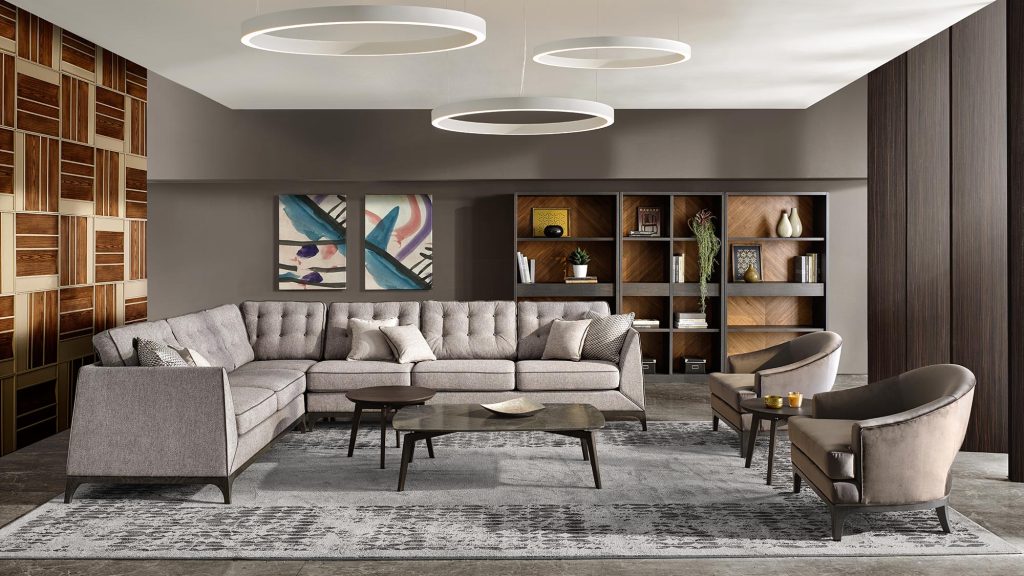
Understanding the Principles of Modern Home Decor
Defining Modern Home Decor Concepts
Modern home decor is a dynamic design approach that encompasses a wide range of styles emphasizing simplicity, functionality, and a connection to contemporary living. Unlike traditional styles that often focus on ornate details and history, modern home decor seeks to move forward, offering innovation and practicality. It focuses on clean lines, open spaces, and uncluttered aesthetics, making it a popular choice for those valuing a fresh, organized living environment. By employing modern design principles, spaces can exude a sense of calm and efficiency, inviting inhabitants to engage with their surroundings. For those looking to elevate their space through modern concepts, modern home decor can serve as an inspirational guide.
Key Styles and Their Characteristics
Modern home decor isn’t one-size-fits-all; it includes a variety of distinct styles, each revealing unique characteristics:
- Mid-Century Modern: Originating in the mid-20th century, this style is known for its organic shapes, tapered legs, and functional designs. Furniture often features bold colors and graphic patterns.
- Minimalism: This style focuses on simplicity, eschewing clutter and unnecessary elements. It celebrates a monochromatic color palette and utilizes smart design choices to maximize space.
- Scandinavian: With roots in Nordic countries, this style combines minimalism with warmth. It emphasizes natural materials, simplicity, and functionality, complemented by soft textures.
- Industrial: Often found in urban settings, this style showcases raw materials like exposed brick, metal, and wood, melding modern comfort with a rugged aesthetic.
- Contemporary: Often confused with modern, contemporary decor is ever-evolving. It combines various styles while often featuring sleek lines and a mix of new and traditional elements.
Importance of Minimalism in Modern Designs
Minimalism is a cornerstone of modern home decor, stemming from the belief that ‘less is more.’ By paring down the clutter, this aesthetic promotes tranquility and clarity, making it easier to create spaces that support mental well-being. Homes designed with minimalism in mind often feel more spacious and less overwhelming, allowing for a focus on quality over quantity. Embracing this style facilitates thoughtful living, as each chosen item serves a purpose and is appreciated fully. Moreover, minimalism encourages sustainable practices, such as purchasing fewer, higher-quality items and making intentional design choices based on necessity rather than impulse.
Choosing the Right Color Palette for Modern Home Decor
Analyzing Color Psychology Effects
Color plays a significant role in modern home decor, affecting mood, perception, and behavior. Understanding color psychology can guide effective choices when creating a harmonious living environment. Warm colors, such as reds and yellows, foster energy and vivacity, making them suitable for social spaces. Conversely, cool colors like blues and greens evoke calmness and serenity, ideal for relaxation areas such as bedrooms. By thoughtfully engaging with color, homeowners can influence their daily experiences, enhancing comfort and functionality.
Trends in Modern Color Schemes
Current trends in modern color palettes lean towards earthy tones, muted shades, and rich jewel tones. These colors, such as terracotta and sage green, echo nature and create a comforting backdrop. Neutrals, including whites and beiges, remain popular for their versatility, allowing for easy pairing with accent colors. Additionally, vibrant colors are making a resurgence as bold statements, integrated through furniture and decor accents to inject personality into otherwise subdued spaces. The goal is to harmonize colors to create a cohesive look while ensuring each room reflects individual tastes.
Creating Contrast and Harmony
Creating a successful modern home decor involves balancing contrast and harmony. This can be achieved through careful pairing of colors, textures, and materials. For instance, contrasting warm woods with crisp whites or incorporating metallics against soft textiles can produce visual interest. It’s crucial to maintain a sense of coherence throughout the space; thus, establishing a primary color and building around it can help create fluidity. The interplay of contrasting elements can energize a room, while harmonious choices ensure a unified aesthetic that feels intentional and curated.
Essential Furniture and Accessories for Modern Home Decor
Selecting Functional yet Stylish Furniture
Choosing furniture that embodies both functionality and style is paramount in modern home decor. Multi-functional pieces, such as ottomans with storage or extendable dining tables, optimize space without compromising aesthetics. When selecting furniture, consider proportions and how each piece contributes to the room’s purpose. For example, streamlined modular sofas fit smaller living spaces well while encouraging social interaction. Additionally, selecting furniture made from sustainable materials contributes positively to both the environment and the home’s aesthetic.
Incorporating Art and Decorative Accents
Art and accessories play a vital role in adding personality to modern spaces. Abstract art, oversized photography, or carefully curated collections can transform blank walls into focal points that narrate stories of those who inhabit the space. When choosing decorative accents like vases or sculptures, aim for pieces that reflect personal style while adhering to the overall design ethos. Balance is crucial; avoid overcrowding surfaces or walls, allowing each item to breathe and contribute to the overall aesthetic without overwhelming the space.
Understanding Scale and Proportion
Scale and proportion are fundamental principles in modern home decor that can significantly affect spatial harmony. Consider the size of furniture in relation to the room, ensuring that pieces do not overwhelm or disappear within the space. A large sectional may dominate a small living room, while tiny side tables can look lost in expansive areas. Utilize rugs to define spaces and scale furniture appropriately to create fluidity. Engaging with these concepts helps in establishing a cohesive environment that feels inviting and well-planned.
Lighting: A Vital Component of Modern Home Decor
Types of Lighting and Their Impact
Lighting is a critical aspect of modern home decor that shapes mood and functionality. There are three primary types of lighting to consider: ambient, task, and accent. Ambient lighting serves as the foundation, illuminating spaces uniformly. Task lighting focuses on specific areas, such as reading lamps or under-cabinet lighting in kitchens, while accent lighting highlights art or architectural features. Thoughtfully layering these types can enhance both the aesthetic and practicality of a space, emphasizing different elements at various times of day.
Layering Light for Depth and Dimension
To create depth and dimension in modern interiors, it is essential to layer different lighting types strategically. Combining ambient, task, and accent lighting allows for flexible illumination suitable for various activities and moods. Dimmers can be instrumental for adjusting brightness levels, offering adaptability for evening gatherings or intimate settings. Additionally, incorporating natural light through windows and reflective surfaces can amplify the overall brightness and create an inviting atmosphere. This thoughtful interplay fosters an engaging and dynamic visual experience.
Energy Efficiency in Modern Lighting Solutions
The modern home decor approach emphasizes sustainability and innovative solutions, with energy efficiency taking center stage. LED lighting options not only reduce energy consumption but also come in a variety of styles that fit the contemporary aesthetic. Smart lighting systems allow homeowners to control their lights remotely, optimizing energy use while enhancing the convenience of home management. Integrating energy-efficient lighting not only supports the environment but can lead to significant long-term cost savings.
Sourcing Sustainable Materials in Modern Home Decor
Benefits of Eco-Friendly Furniture
Eco-friendly furniture made from sustainable materials offers a multitude of benefits that align perfectly with modern home decor. Utilizing responsibly sourced woods, recycled materials, and non-toxic finishes minimizes environmental impact while promoting indoor health. Such furniture often comes with a unique design flair, highlighting craftsmanship and innovation. Additionally, investing in eco-friendly pieces typically means increased longevity and reduced need for replacements, making them economically sound choices.
Finding Sustainable Decor Options
Sourcing sustainable decor involves examining the materials, production processes, and life cycles of products. Opting for items produced through ethical practices can enhance the aesthetic of a modern home while aligning with personal values. Reclaimed or vintage pieces offer character and history, contributing to a unique ambiance. Prioritize local artisans and brands committed to sustainability to support the community while ensuring quality and eco-conscientiousness in decor selections.
Promoting Health and Well-being Through Material Choices
The materials chosen for modern home decor can significantly impact inhabitants’ physical and mental well-being. Opting for non-toxic paints, low-VOC finishes, and natural textiles can contribute to a healthier indoor air quality. Biophilic design principles, which incorporate natural elements like plants and natural light, foster connections to the outdoors, promoting relaxation and positive mental states. Thoughtfully selecting materials can transform spaces into sanctuaries that nurture health and comfort.
FAQs About Modern Home Decor
What defines modern home decor?
Modern home decor emphasizes simplicity, functionality, clean lines, and a minimalistic approach that focuses on creating uncluttered, efficient spaces.
How can I choose a color palette for my space?
Consider the mood you want to create and how colors affect emotions. Opt for a primary color and use accents to maintain harmony while adding interest.
What types of furniture are best for modern decor?
Select multi-functional, streamlined pieces that emphasize form and function. Materials like wood, metal, and eco-friendly options are well-suited.
How important is lighting in home decor?
Lighting is crucial for setting the mood and functionality of a space. Use a layered approach combining ambient, task, and accent lighting for best results.
What sustainable materials should I consider?
Look for sources of reclaimed wood, bamboo, recycled metals, and non-toxic finishes. These materials contribute to a healthier environment and aesthetic appeal.