

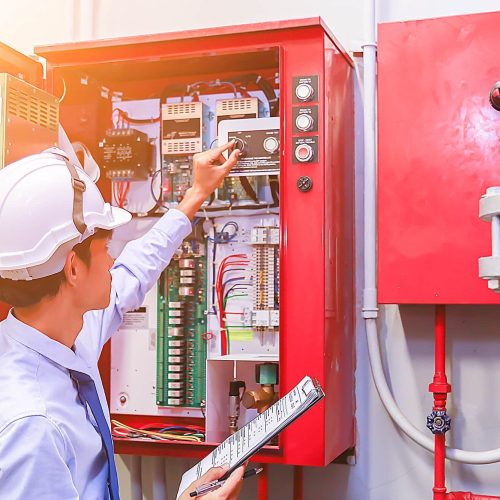
Understanding Electrical Service Maintenance
What is Electrical Service Maintenance?
Electrical service maintenance refers to the systematic evaluation and upkeep of electrical systems in residential, commercial, and industrial settings. This detailed process includes inspecting, testing, and servicing electrical components to ensure their reliability and safety. Regular maintenance is essential for preventing issues that may arise from wear and tear, outdated equipment, or system overload. By establishing a routine for electrical service maintenance, property owners can proactively manage potential hazards and maintain operational efficiency.
Importance of Regular Maintenance
Engaging in regular electrical service maintenance is critical for various reasons:
- Safety: Electrical systems can be dangerous if not properly maintained. Regular checks reduce the risk of electrical fires and electrocution.
- Efficiency: Well-maintained systems operate more efficiently, ultimately reducing energy costs and prolonging the lifespan of electrical components.
- Compliance: Adhering to local safety and building codes can prevent fines or legal repercussions, ensuring that all systems meet the required standards.
Common Electrical Issues to Address
Throughout the life of an electrical system, various issues may arise that necessitate attention:
- Overloaded Circuits: Exceeding the capacity of a circuit can lead to overheating and increase the risk of fires.
- Flickering Lights: This can indicate loose wiring, circuit overload, or faulty fixtures that require immediate inspection.
- Tripped Breakers: Frequent tripping can indicate underlying problems that may require further investigation.
- Outdated Wiring: Older homes may have wiring that no longer meets safety standards, leading to hazards.
Key Components of Electrical Service Maintenance
Systematic Inspections and Assessments
Consistent inspections are foundational to effective electrical service maintenance. These assessments typically involve a comprehensive review of the electrical system, including:
- Visual Inspections: Checking for visible wear, corrosion, or damaged components.
- Testing Equipment: Utilizing diagnostic tools to check voltage levels, grounding, and overall system performance.
- Documentation: Keeping detailed records of all findings and actions taken to address any issues for future reference.
Updating Outdated Wiring and Fixtures
As technology advances, so do electrical requirements. Updating old wiring and fixtures is a critical component of electrical service maintenance. This may involve:
- Replacing Knob-and-Tube Wiring: This outdated method is not only less efficient but also poses safety risks.
- Upgrading to GFCI Outlets: Ground Fault Circuit Interrupters protect against electrical shock, especially in wet areas.
- Installing Energy-Efficient Fixtures: Upgrading to LEDs can greatly reduce energy consumption and costs.
Ensuring Safety Compliance
Electrical safety standards must be adhered to mitigate risks. Ongoing maintenance ensures that systems are up to current codes, which may include:
- Regular Code Inspections: Ensuring installations adhere to the National Electrical Code (NEC) or local standards.
- Grounding and Bonding Systems: Regularly verifying that grounding systems are intact and properly functioning.
- Updating Fire Alarms and Smoke Detectors: Regular tests and battery replacements to ensure these life-saving devices are operational.
Best Practices for Electrical Service Maintenance
Scheduled Maintenance Plans
Establishing a scheduled maintenance plan is crucial for ensuring that electrical systems remain in optimal condition. This plan should include:
- Regular Check-Ups: Schedule inspections at least once a year to catch problems early.
- Prompt Repairs: Address minor issues promptly to prevent them from escalating into major problems.
- Seasonal Reviews: Seasonal reviews can help manage specific issues that arise with changes in weather.
Choosing Qualified Professionals
Electrical maintenance should always be performed by qualified professionals. Here are some tips for selecting the right expert:
- Check Qualifications: Verify licenses and certifications to ensure professionals adhere to safety standards.
- Get Recommendations: Seek reviews or referrals from friends, family, or online platforms to assess the reputation of the service provider.
- Request Quotes: Obtain multiple quotes to understand the average cost of services and avoid overcharging.
DIY Tips for Homeowners
While many aspects of electrical maintenance require professional help, homeowners can take several proactive steps:
- Keep Electrical Panels Accessible: Avoid placing items in front of electrical panels for easy access.
- Monitor Electrical Usage: Use smart meters to track energy consumption, looking for unusual spikes that may indicate issues.
- Replace Light Bulbs Regularly: Ensure proper voltage and wattage is used for energy efficiency and system longevity.
Cost Considerations for Electrical Service Maintenance
Budgeting for Regular Maintenance
When planning for electrical service maintenance, proper budgeting is crucial. Factors to consider include:
- Inspection Costs: Include costs for annual inspections as part of your budget.
- Repair and Replacement Expenses: Anticipate expenses related to potential repairs or parts that may need replacing.
- Long-term Savings: Investing in maintenance can prevent costly future repairs, saving money in the long run.
Cost-Saving Tips
While maintenance is a necessary expense, there are ways to manage costs:
- Utilize Service Packages: Many providers offer discounts for bundled services or maintenance contracts.
- Perform Regular DIY Maintenance: Simple tasks can reduce the need for professional check-ups, saving money while keeping systems in check.
- Stay Informed: Knowing the basics can help identify issues early, avoiding costly emergency repairs.
Understanding Emergency Repairs Costs
Emergency repairs can be significantly more expensive than planned maintenance. It’s essential to know:
- Cost Variation: The cost can vary widely depending on the nature and urgency of the problem.
- Holiday and After-Hours Fees: Expect higher rates for services rendered during off-hours or holidays.
- Potential for Damage: Unaddressed issues can lead to further damage, increasing overall repair costs.
FAQs About Electrical Service Maintenance
What is included in electrical service maintenance?
Electrical service maintenance involves inspections, testing of systems, repairs, and updates to ensure safety and efficiency of electrical components.
How often should I schedule maintenance?
It’s recommended to schedule professional electrical maintenance at least once a year to ensure systems are functioning efficiently and safely.
Can I perform my own electrical maintenance?
While some basic tasks can be done by homeowners, it is recommended to hire qualified professionals for complex maintenance to ensure safety and compliance.
What safety measures should I follow?
Always turn off power at the circuit breaker when working with electrical systems and use insulated tools. Wear rubber-soled shoes to reduce the risk of electrocution.
When is emergency electrical service needed?
Emergency service is needed when there are hazardous situations such as sparks, severe power outages, or when you experience electrical shocks. Immediate professional help is crucial.