
Security Systems Pros and Cons Every Buyer Should Know
In today’s world, ensuring the safety of your home, apartment, or small office has become more important than ever. Security systems are a popular solution, offering protection against theft, break-ins, and other emergencies. However, before investing in a security system, it is crucial to understand the advantages and disadvantages to make an informed decision. This article explores the pros and cons of Security Systems, helping you choose the right one for your needs.
What Are Security Systems?
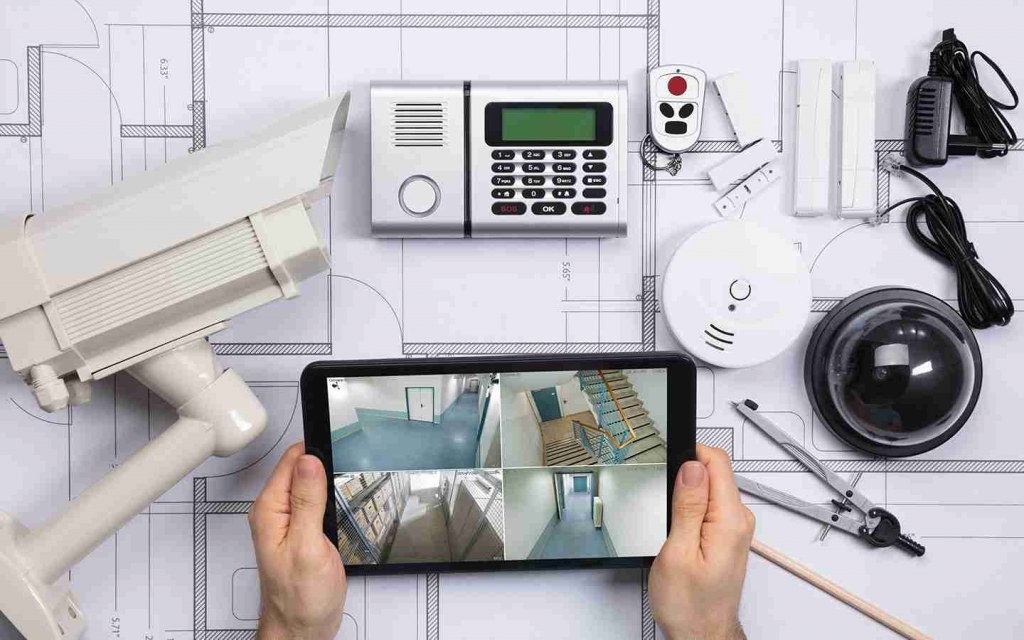
Security systems are a combination of devices and technologies designed to protect a property from unauthorized access or potential threats. They typically include alarms, cameras, sensors, and monitoring services. Modern systems often integrate with smart home devices, allowing users to control them remotely using smartphones or other smart devices.
Security systems can vary from simple DIY kits to professionally installed systems with 24/7 monitoring. While they offer a range of features, each type has its own set of benefits and limitations.
Pros of Security Systems
1. Enhanced Safety and Protection
The primary advantage of a security system is the protection it offers. Homes and offices equipped with security systems are less likely to experience break-ins or vandalism. For example, a well-placed security camera can deter potential intruders because they know their actions are being recorded.
2. Remote Monitoring and Control
Modern security-systems allow users to monitor their property from anywhere. Smartphone apps enable homeowners to check cameras, receive alerts, and even control locks remotely. This convenience is especially useful for frequent travelers or people with busy schedules.
3. Quick Emergency Response
Security systems often come with professional monitoring services that notify authorities in case of an emergency. For instance, if a fire alarm or a break-in is triggered, the monitoring center can alert local police or fire departments immediately, potentially saving lives and reducing property damage.
4. Insurance Benefits
Many insurance companies offer discounts to homeowners who install security-systems. The presence of a monitored system reduces the risk of theft and damage, which insurers see as a lower risk factor. This can lead to savings on monthly or annual premiums.
5. Increased Property Value
Installing a security system can increase the overall value of your home or office. Prospective buyers often consider security features as an added benefit, making the property more attractive in the real estate market.
6. Peace of Mind
Knowing that your property is monitored and protected provides significant peace of mind. You can feel secure whether you are at home, at work, or traveling. This mental comfort is often one of the most overlooked benefits of a security system.
Cons of Security Systems
1. High Initial Costs
One of the main drawbacks of security systems is the upfront cost. Professional installation, equipment purchase, and wiring can be expensive. While DIY systems are more affordable, they may lack some advanced features found in professional setups.
2. Ongoing Fees
Many security systems require monthly monitoring fees. These fees can add up over time, sometimes exceeding the initial cost of installation. Customers need to consider whether the ongoing expense fits within their budget.
3. False Alarms
False alarms are common with some security systems. Motion sensors or door alarms may trigger accidentally, causing unnecessary stress and sometimes fines from local authorities. Ensuring proper installation and system calibration can reduce false alarms but may not eliminate them entirely.
4. System Complexity
Modern security systems with smart features can be complicated to use. Some users may find it difficult to navigate apps, configure alerts, or integrate devices with existing smart home setups. This learning curve can be frustrating for people who are not tech-savvy.
5. Dependence on Technology
Security systems rely heavily on electricity, internet connections, and functioning devices. Power outages, internet failures, or device malfunctions can temporarily compromise the system’s effectiveness. Backup options like battery-powered devices or cellular connections are important considerations.
6. Privacy Concerns
Smart security systems often collect data, including video footage and access logs. While most companies implement strong security protocols, there is always a potential risk of data breaches or unauthorized access. Users should carefully review privacy policies before choosing a system.
Real-Life Example
Consider a family living in a suburban neighborhood. They installed a comprehensive security system with cameras, motion sensors, and 24/7 monitoring. One night, the system detected a break-in attempt and immediately alerted the monitoring center. The police arrived within minutes, preventing theft and ensuring the family’s safety. Without the security system, the situation could have been much worse. This example highlights how security systems can effectively protect people and property.
Factors to Consider Before Buying a Security System
Type of Property
The size and type of property play a significant role in choosing a security system. Large homes may require multiple cameras and sensors, while small apartments might need a simpler setup.
Budget
Deciding on a budget is essential. Factor in the initial installation costs, equipment expenses, and ongoing monitoring fees. Compare different systems to find the best value for money.
Level of Monitoring
Some systems offer professional monitoring, while others rely on self-monitoring via apps. Consider which option aligns with your lifestyle and level of responsibility.
Integration With Smart Devices
If you already use smart home devices, choose a security system that integrates seamlessly. This allows you to control lights, locks, cameras, and alarms from a single app.
Reliability and Reviews
Read reviews and research different brands to understand system reliability. Look for systems with minimal false alarms, responsive customer service, and positive user feedback.
Conclusion
Security systems offer significant benefits, including enhanced protection, peace of mind, and potential insurance savings. However, they also come with drawbacks, such as high costs, false alarms, and technological complexity. By carefully evaluating your property, budget, and lifestyle, you can select a system that provides maximum protection without unnecessary inconvenience. Investing in the right security system ensures safety, convenience, and long-term value for your home or office. We update our homepage regularly with new features and highlights.
FAQs
What is the most reliable type of security system?
The most reliable security systems combine professional monitoring with high-quality sensors and cameras. Systems that integrate with smart devices and offer cellular backup tend to be the most dependable.
Are security systems worth the investment?
Yes, security systems are worth the investment for most homeowners and small business owners. They provide protection, peace of mind, potential insurance savings, and can increase property value.
Can security systems prevent all break-ins?
No security system can prevent all break-ins. However, they significantly reduce the risk of theft and vandalism. A combination of cameras, alarms, and monitoring services creates a strong deterrent and improves response times during emergencies.