
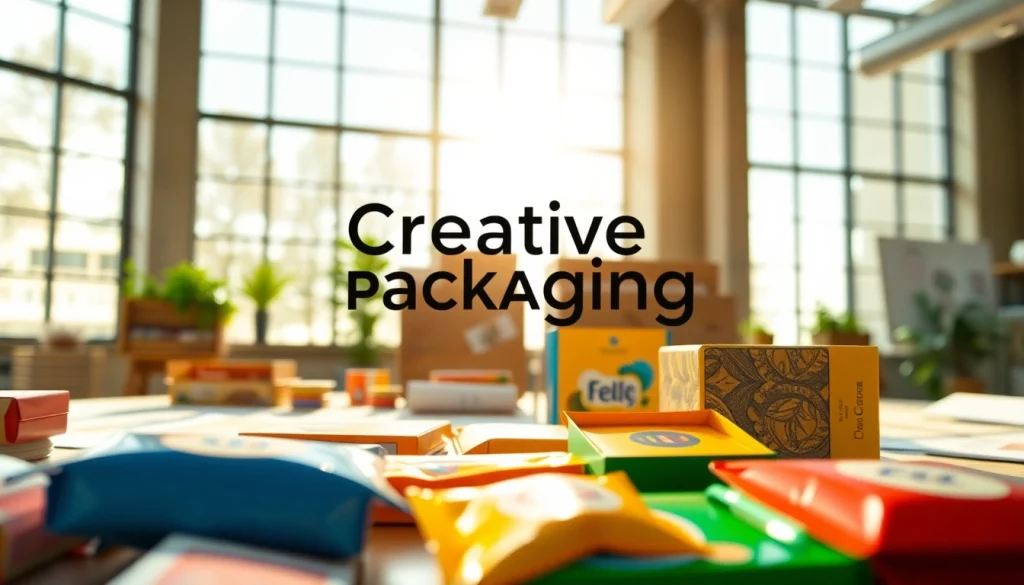
Understanding Creative Packaging Company Concepts
What is Creative Packaging?
Creative packaging encompasses the design, structure, and materials used to package products in a way that attracts consumers while fulfilling functional requirements. It seeks to combine aesthetics with practical use, influencing purchasing decisions and enhancing brand perception. A creative packaging company focuses on innovation, finding new ways to present products that resonate with the target audience.
Importance of Packaging Design
Packaging design is a pivotal element in product marketing, serving as the first point of contact between the product and the consumer. Effective packaging communicates the brand message, reflects the product’s value, and can even create an emotional connection. By carefully crafting packaging, brands can differentiate themselves in competitive markets, elevate perceived product quality, and enhance customer loyalty.
Key Elements in Packaging Strategy
A successful packaging strategy hinges on multiple elements:
- Functionality: Packaging must protect products and facilitate handling from production to consumption.
- Aesthetics: Visual appeal draws consumers in; adept use of colors, shapes, and typography plays a critical role.
- Branding: Packaging should reflect brand identity and philosophy, ensuring consistency across product lines.
- Sustainability: Eco-friendly materials and practices are increasingly important to consumers, impacting their purchasing decisions.
Trends Influencing Packaging Design
Sustainable Packaging Solutions
The push for sustainability has transformed packaging design. Companies are now prioritizing recyclable, biodegradable, and compostable materials. Innovations in sustainable packaging not only help reduce environmental footprints but also appeal to conscious consumers eager to support brands aligned with their values. Brands incorporating sustainable practices can build trust and loyalty among customers, improving their overall competitive edge.
Minimalism vs. Maximalism in Design
Design trends oscillate between minimalism—characterized by simplicity and clarity—and maximalism, which emphasizes bold colors and intricate patterns. Minimalist designs often exude sophistication, appealing to high-end markets, while maximalist approaches attract consumers seeking vibrant or eclectic experiences. Determining which style to adopt should consider target demographics and market positioning, crafting a unique visual identity that speaks to the intended audience.
Personalization in Packaging
Personalization has emerged as a key trend, with brands offering custom packaging that resonates with individual consumer preferences. From basic elements like names on labels to unique designs that cater to specific customer demographics, customized packaging can foster deeper connections, increase customer satisfaction, and drive repeat purchases. Incorporating consumer feedback into design processes is vital for creating relevant and personalized experiences.
Best Practices for Engaging Customers
Utilizing Color Psychology
Color psychology plays a surprisingly critical role in consumer perception and behavior. Different colors evoke different emotions and associations, influencing buyer choices. For example, blue can convey trust and reliability, while red may evoke excitement. Creative packaging companies utilize these principles to enhance brand messaging and product appeal. Brands must consider their target audience and brand personality when selecting color schemes.
Incorporating Interactive Elements
Engaging customers through interaction is a progressive approach in packaging design. Brands can integrate elements such as QR codes, augmented reality features, and tactile textures. These invite consumers to interact with the product beyond traditional usage, creating memorable experiences that enhance brand engagement and loyalty. The objective is to transform packaging into a dialogue that invites customers to learn more and explore related offerings.
Cross-Media Packaging Innovations
Cross-media packaging bridges the gap between digital and physical realms. By harmonizing online and offline elements, brands can convey cohesive messaging. This approach may include linking packaging to online content, such as social media or websites, enhancing the potential for additional customer engagement. Effective implementation of cross-media strategies can amplify brand presence and facilitate consumer journeys from discovery to purchase.
Performance Metrics for Packaging Success
Measuring Customer Engagement
Metrics to evaluate customer engagement related to packaging can be invaluable. Brands may analyze customer interactions with packaging elements during the purchasing process (e.g., time spent viewing products, social media shares). Surveys can also focus on consumer perceptions regarding packaging design and effectiveness. Combining quantitative and qualitative data helps brands enhance packaging strategies and targeted marketing efforts.
Tracking Sales Through Packaging Changes
Any modifications to packaging must be evaluated through sales performance metrics. This could involve controlled testing where variations in design are tested in markets to monitor shifts in sales volume, customer demographics, and responses. Analyzing sales data pre- and post-packaging change provides invaluable insights into the direct impact of packaging on consumer purchasing behavior.
Feedback Mechanisms for Continuous Improvement
Implementing feedback mechanisms is essential for ongoing improvement in packaging strategies. Brands can leverage consumer reviews, surveys, and focus groups to gather input on packaging designs and functionality. Such feedback loops allow brands to continually refine and innovate their packaging, ensuring alignment with consumer expectations while adapting to emerging trends in the market.
FAQs about Creative Packaging Company Services
What is the role of a creative packaging company?
A creative packaging company specializes in designing innovative packaging solutions that appeal to consumers, enhance user experience, and reflect brand identity.
How can packaging impact my branding?
Effective packaging enhances brand recognition, communicates core values, and attracts target audiences, meaning it can significantly influence how customers perceive your product.
What trends should I be aware of?
Stay updated on trends like sustainable materials, minimalism vs. maximalism, and personalization, all of which can greatly influence packaging design and consumer engagement.
How to choose the right packaging materials?
Consider factors like product safety, brand image, sustainability, target audience preferences, and logistical requirements when selecting suitable packaging materials.
Can packaging enhance product visibility?
Absolutely! Innovative designs, bold colors, and strategic placements can significantly enhance product visibility on shelves, drawing consumer attention effectively.