

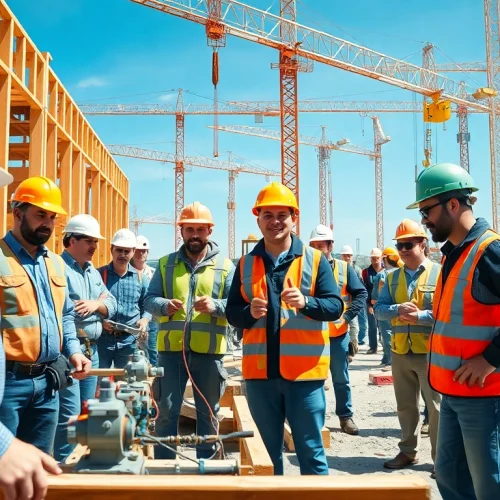
Understanding Careers in Construction
Overview of the Construction Industry
The construction industry is a cornerstone of the global economy, influencing growth, infrastructure, and job creation across various sectors. With a projected growth rate of approximately 11% from 2020 to 2030 according to the U.S. Bureau of Labor Statistics, the industry offers a wide array of opportunities for those looking to advance their careers. The transition to smarter building methods and sustainable practices is reshaping traditional roles and presenting new challenges and opportunities. For individuals interested in exploring careers in construction, understanding the landscape of this industry is vital.
Types of Jobs in Construction
The construction sector encompasses a diverse range of professions, each with its own unique set of responsibilities and requirements. Here are some key categories:
- Skilled Trades: This includes electricians, plumbers, carpenters, and masons. Skilled trades typically require hands-on experience and training.
- Project Management: Project managers oversee construction projects from inception to completion, ensuring that they meet timelines, budgets, and regulatory requirements.
- Engineering: Civil, structural, and geotechnical engineers play crucial roles in designing and ensuring the safety and efficacy of construction projects.
- Safety and Compliance: Safety officers and compliance specialists ensure that construction sites adhere to legal and safety standards.
- Office-Based Roles: Architects, surveyors, and planners provide essential schematic designs and project assessments.
This diverse array of roles contributes fundamentally to the successful construction and engineering of buildings, infrastructure, and other essential structures.
Career Pathways and Progression
The pathway to a successful career in construction can vary significantly based on the chosen field. Entry-level positions in skilled trades often require apprenticeships where individuals can earn while they learn. For those leaning towards project management, obtaining a degree in construction management or related fields can be beneficial. Career progression within the construction field often involves gaining experience and additional certifications to move into supervisory or managerial roles.
For example, an electrician might start as an apprentice, become a licensed tradesperson, and eventually move into a role as a project manager or estimator, thereby increasing responsibilities and earnings. Continuous professional development is often supported by industry organizations that offer certifications, training programs, and workshops.
Skills Required for Success
Technical Skills in Construction
Technical skills are fundamental in the construction industry. Mastery of various tools, techniques, and technologies is essential. This includes an understanding of building codes, construction materials, and project estimation skills. Familiarity with software used for project management, building information modeling (BIM), and structural analysis is also increasingly important. Successful construction professionals frequently attend workshops and training programs to keep their skills current and reflective of industry advancements.
Soft Skills for Construction Professionals
While technical prowess is vital, soft skills play a crucial role in ensuring success in construction careers. Effective communication, teamwork, problem-solving, and leadership abilities can significantly impact project outcomes and workplace harmony. Professionals must be able to clearly articulate their ideas, collaborate with diverse teams, and navigate challenging scenarios efficiently. Developing these skills is just as important as acquiring technical knowledge, as they contribute significantly to overall project success.
Importance of Certifications
Certifications can enhance a professional’s credibility and signify their expertise in specific areas of construction. For instance, OSHA certifications in safety standards or PMP (Project Management Professional) credentials can set a candidate apart in a competitive job market. These certifications not only improve job prospects but also serve to instill confidence among employers and clients regarding the individual’s commitment to maintaining high industry standards.
Challenges in the Construction Sector
Safety Considerations
Safety is paramount in the construction industry, given its high-risk environment. Construction site accidents can lead to severe injuries or fatalities. Employers are mandated to comply with OSHA regulations, which aim to minimize risks through proper training, safety gear, and emergency protocols. Workers are encouraged to undergo regular safety training and drills. It’s essential that every team member understands their role in maintaining a safety-first culture.
Market Volatility and Job Security
The construction sector is subsequential to market fluctuations, which can affect job security. Economic downturns can result in project cancellations or delays, leading to temporary layoffs. Conversely, during construction booms, the demand for skilled workers can skyrocket. Understanding market trends and being adaptable to change is crucial for construction professionals, as it equips them to navigate fluctuations effectively.
Managing Work-Life Balance
Construction jobs often require long hours and sometimes unpredictable schedules, making work-life balance a challenge. Professionals are encouraged to establish clear boundaries between work and personal life, prioritize routines, and engage in self-care practices. Companies can help by offering flexible hours, wellness programs, and support resources for employees.
Advancements and Innovations
Technology in Construction
The construction industry is increasingly leveraging innovation and technology to enhance efficiency and safety. From drone surveying to 3D printing of construction materials, these advancements are transforming how projects are planned and executed. The implementation of Building Information Modeling (BIM) technology allows for better visualization and collaboration, minimizing costly mistakes in later stages. Adopting technology not only streamlines processes but also attracts younger generations who seek tech-savvy career opportunities.
Green Building and Sustainable Practices
As environmental concerns grow, so does the emphasis on green building practices. Careers are emerging that focus on sustainable design, energy efficiency, and the use of eco-friendly materials. Professionals involved in these fields are tasked with not just creating structures but ensuring they align with modern sustainability standards—a practice that can also yield cost savings in the long run.
Future Trends in Careers in Construction
As we look to the future of construction, several trends are shaping the workplace. The integration of artificial intelligence (AI) and machine learning into project management is likely to optimize resources and improve decision-making processes significantly. Furthermore, the shift towards remote work and virtual collaboration tools is setting the stage for a transformed workforce. Construction professionals must stay informed about these trends, as they will impact job roles and necessary skills in the years to come.
Navigating Your Career in Construction
Effective Job Search Strategies
Finding a job in the construction industry requires strategic planning. Applicants should leverage various job boards, networking events, and online platforms to discover new opportunities. Tailoring resumes to highlight relevant experiences and skills pertinent to the job description increases the chances of standing out. Additionally, preparation for interviews that focus on both technical and soft skills can demonstrate a candidate’s readiness for the role.
Networking and Professional Development
Networking is essential for career advancement in construction. Building relationships within the field can lead to job opportunities, mentorship, and knowledge sharing. Participating in local construction associations, attending seminars, and joining online forums can facilitate important connections. Continuous professional development through workshops or courses is also critical, as it fosters skill enhancement and knowledge of industry trends.
Choosing the Right Educational Path
Selecting a suitable educational path is crucial for aspiring construction professionals. Vocational schools, colleges, and universities offer various programs ranging from diplomas to degree options focused on construction management and civil engineering. Students should consider their career goals, the specific skills they wish to develop, and the demands of the job market when choosing their educational pathways. Hands-on training through internships or cooperative education experiences can also enhance employability upon graduation.