
Introduction to Smartphone Solution in School Life
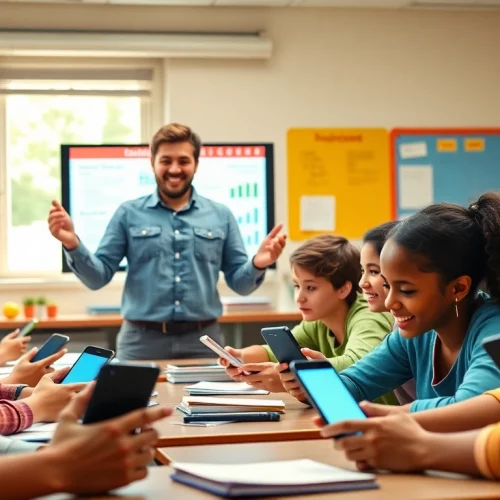
In today’s rapidly evolving educational landscape, the integration of technology in schools is no longer a novelty but a necessity. A smartphone solution in school life serves as a pivotal component in enhancing the learning experience, promoting engagement, and preparing students for a digitally-driven future. This article explores the definition, importance, and current trends associated with mobile learning, highlighting how smartphones can be effectively leveraged in educational settings.
Definition and Importance
A smartphone solution in school life encompasses the use of mobile devices as educational tools to facilitate learning, enhance collaboration, and streamline administrative tasks. As the prevalence of smartphones continues to rise among students, it becomes imperative for educators to adapt their teaching methodologies to incorporate these devices. This adaptation not only enriches the educational experience but also prepares students for the demands of a technology-centric workplace.
Current Trends in Mobile Learning
Mobile learning, or m-learning, is characterized by its flexibility and accessibility. Trends such as personalized learning paths, gamification, and interactive applications are reshaping how students engage with educational content. The rise of social learning platforms encourages collaboration and peer-to-peer interactions, making learning a more communal experience. Moreover, the incorporation of augmented reality (AR) and virtual reality (VR) opens new horizons for immersive learning experiences, allowing students to interact with content in ways that were previously unimaginable.
Benefits of Smartphone Engagement
The benefits of smartphone engagement in school life are multi-faceted. Firstly, smartphones provide instant access to information, empowering students to take charge of their learning. Secondly, they facilitate communication between students and teachers, enabling a seamless flow of feedback and support. Thirdly, the interactive nature of mobile applications enhances motivation, making learning more enjoyable and effective. Finally, integrating smartphones into the classroom supports development of digital literacy, equipping students with essential skills for future academic and professional success.
Implementation Strategies for Schools
Integrating Mobile Technology in Curriculum
To effectively integrate mobile technology into the curriculum, schools must develop a clear framework that aligns technological use with learning objectives. This often involves selecting appropriate applications and tools that complement existing curricular goals. Educators can incorporate mobile technology through project-based learning, where students use their devices to research, collaborate, and present their findings in innovative ways. Additionally, providing access to online resources, such as e-books and educational videos, can enhance the learning experience while diversifying content delivery methods.
Training Teachers for Effective Use
Teacher training is crucial for the successful implementation of a smartphone solution in school life. Professional development programs should equip educators with the skills required to utilize mobile technology effectively. This includes not only training on specific applications but also pedagogical strategies that leverage mobile devices to enhance learning outcomes. Ongoing support and collaborative teaching practices can foster a culture of innovation and experimentation, encouraging educators to explore new ways to integrate technology into their classrooms.
Engaging Parents in the Transition
Parent engagement is vital in ensuring a smooth transition to a technology-enhanced learning environment. Schools should communicate transparently about the benefits and challenges of smartphone use in education, providing parents with resources to support their children at home. Workshops, informational sessions, and newsletters can serve as effective tools for engaging parents, addressing their concerns, and building a community that supports educational innovation.
Overcoming Challenges with Smartphone Use
Addressing Distractions in the Classroom
While smartphones offer numerous advantages, they can also be sources of distraction. To mitigate this issue, schools should establish clear policies regarding smartphone use within the classroom. Implementing structured guidelines and utilizing classroom management techniques, such as designated “phone-free” times or utilizing applications that promote focus, can help minimize distractions. Additionally, fostering a culture of responsibility among students encourages self-regulation and helps them prioritize their learning over potential distractions.
Ensuring Digital Safety and Privacy
Digital safety and privacy are paramount when integrating smartphones into school life. Schools must implement measures to protect students’ personal information and educate them about safe online practices. Establishing clear protocols for device usage, including monitoring applications and usage options, can help mitigate risks. Moreover, incorporating digital citizenship programs into the curriculum can empower students to understand their rights and responsibilities in the digital world, fostering a secure online environment.
Providing Equity in Access to Devices
Equity in access to devices is a pressing concern, as not all students may have access to smartphones or reliable internet connections. Schools must address this challenge by exploring alternative solutions, such as providing loaner devices or creating partnerships with local businesses and organizations to facilitate access. Additionally, promoting initiatives that extend internet connectivity to underserved communities can help bridge the digital divide and ensure that all students can benefit from a smartphone solution in school life.
Evaluating the Effectiveness of Smartphone Solutions
Measuring Learning Outcomes and Engagement
Evaluating the effectiveness of smartphone solutions requires a comprehensive approach to measuring both learning outcomes and student engagement. Schools can employ various assessment methods, including pre-and post-tests, surveys, and observational assessments, to gauge student progress and the impact of mobile technology on learning. Analyzing data collected from these evaluations can provide valuable insights into what strategies work best and where adjustments may be needed.
Feedback Mechanisms from Teachers and Students
Gathering feedback from both teachers and students plays a critical role in refining mobile learning initiatives. Schools should create open lines of communication, allowing educators to share their experiences and provide input on how mobile technology can be better utilized. Similarly, soliciting student feedback through focus groups or anonymous surveys can offer insight into their learning preferences and challenges, ultimately informing future decisions around technology integration.
Case Studies of Successful Implementations
Examining case studies of successful implementations of smartphone solutions in educational settings can provide valuable lessons and inspiration. Many schools have reported significant improvements in student engagement, academic performance, and collaboration among peers when integrating smartphones into their curricula effectively. These case studies often highlight innovative teaching practices, creative usage of apps, and strong community involvement as key factors in their success. By learning from these examples, schools can apply best practices and tailor strategies to fit their unique contexts.
Future Trends in Smartphone Solutions in Education
Emerging Technologies and Their Applications
The future of smartphone solutions in education is grounded in the continual evolution of technology. Emerging technologies, such as artificial intelligence (AI) and machine learning, are poised to offer personalized learning experiences tailored to individual student needs. Additionally, developments in virtual reality (VR) and augmented reality (AR) will allow for more immersive and interactive learning environments, creating opportunities for experiential learning that transcend traditional classroom boundaries.
Predictions for the Next Decade
Looking forward, the next decade will likely witness a greater emphasis on mobile-first educational strategies. As students become increasingly tech-savvy, the demand for flexible and personalized learning experiences will grow. Schools may adopt learning management systems (LMS) optimized for mobile devices, enabling seamless access to resources. Digital assessments may also evolve, becoming more integrated with mobile technology to foster real-time feedback and tailored learning experiences.
Encouraging Lifelong Learning Through Mobile Tools
Promoting lifelong learning is essential in preparing students for an ever-changing workforce. Smartphones can play a pivotal role in fostering a culture of continuous learning by offering access to online courses, educational apps, and resource libraries. As students transition from formal education to professional environments, the habits developed through the use of mobile learning tools can translate into lifelong learning skills, ensuring they remain competitive and adaptable throughout their careers.
FAQs
What are the key benefits of using smartphones in education?
Smartphones enhance learning by providing instant access to information, facilitating communication, promoting engagement, and developing digital literacy skills essential for the future.
How can schools effectively train teachers to use smartphones?
Schools can offer professional development sessions, workshops, and ongoing support focused on integrating mobile technology into teaching practices and enhancing pedagogical strategies.
What challenges do schools face when implementing smartphone solutions?
Challenges include distractions in the classroom, ensuring digital safety and privacy, and providing equitable access to devices among students from diverse backgrounds.
How can schools measure the impact of mobile learning?
Schools can measure impact through assessments, surveys, and observational studies that evaluate learning outcomes, student engagement, and the effectiveness of technology integration.
What future trends should educators be aware of in mobile learning?
Educators should focus on emerging technologies like AI, VR, and AR that facilitate personalized and immersive learning experiences, shaping the future of education.