
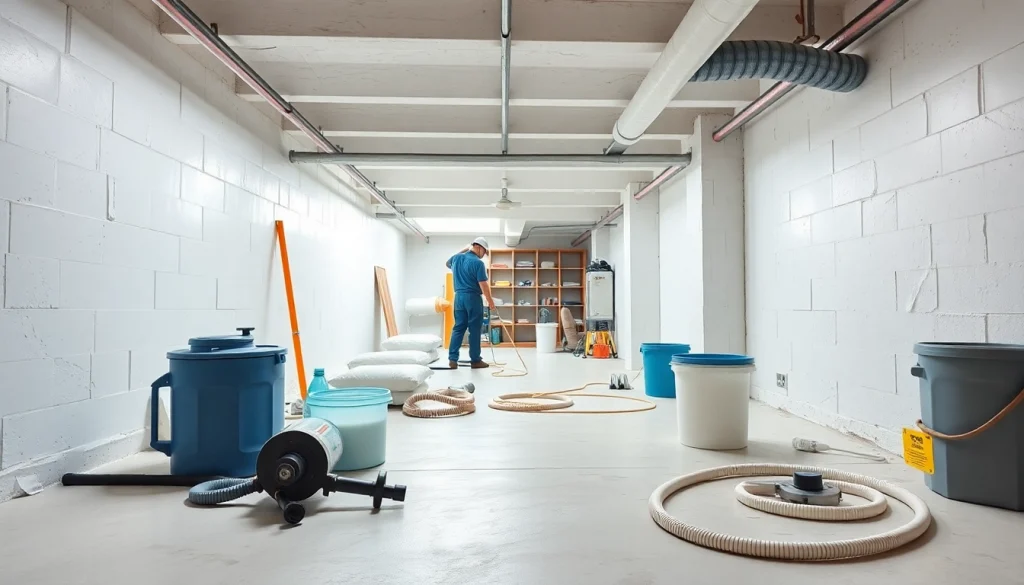
Understanding Crawl Space Restoration
What is Crawl Space Restoration?
Crawl space restoration involves the assessment, cleaning, and repair of the area beneath a home that can often be neglected. These spaces, typically ranging from a few feet to several feet high, hold important infrastructure for homes, including plumbing and electrical wiring. Their primary function is to provide access to these systems and to support the structure. A well-maintained crawl space can prevent moisture issues, mold growth, and structural damage, ensuring the longevity of the home. By investing in Crawl Space Restoration, homeowners can mitigate risks associated with neglecting these vital spaces.
Importance of Crawl Space Maintenance
Crawl space maintenance is crucial for several reasons. First, it enhances the overall health of your home. Improperly maintained crawl spaces can lead to increased humidity levels, which can subsequently cause mold growth and pest infestations. Second, the structural integrity of your home is at stake. Excess moisture can lead to wood rot and weaken foundations. Finally, maintaining a clean and dry crawl space can improve the overall energy efficiency of your home. This ultimately results in lower utility bills and a more comfortable living environment.
Common Problems in Crawl Spaces
Many issues can arise in crawl spaces if they are not regularly maintained. These include:
- Mold and Mildew: High humidity levels can lead to mold cultivation, resulting in serious health concerns.
- Pest Infestations: Rodents and insects are naturally drawn to damp, dark environments, making crawl spaces a target.
- Structural Damage: Excess moisture can weaken wooden beams and joists, leading to long-term damage.
- Insulation Issues: Wet insulation loses its effectiveness, leading to energy efficiency problems.
Identifying Damage in Your Crawl Space
Signs of Moisture and Mold
One of the first indicators of trouble in your crawl space is visible moisture or mold. Look for:
- Dark spots on the walls or floors.
- A musty odor that permeates your home.
- Wood that appears discolored or feels spongy to the touch.
If you notice these signs, it is crucial to inspect the area further to assess the extent of the moisture issue.
Structural Issues in Crawl Spaces
Identifying structural damage can be more subtle but equally important. Look for:
- Cracked or bowed beams.
- Separation of joints where beams connect.
- Changes in the alignment of floors above the crawl space, such as tilting or sagging.
These issues can often signal deeper problems that require immediate attention to prevent costly repairs.
Assessing the Damage Level
Once signs of damage are identified, it’s imperative to assess their severity. Minor moisture issues may only require ventilation improvements, while significant structural concerns might necessitate professional intervention. Engaging a qualified contractor can provide clarity on the necessary steps for restoration.
Crawl Space Restoration Techniques
Waterproofing Solutions
Waterproofing is a critical aspect of crawl space restoration. Solutions include:
- Exterior Waterproofing: Involves installing a waterproof membrane on the outside walls of the crawl space.
- Interior Sealants: Applying material to walls and floors to prevent moisture penetration.
- Drainage Systems: Installing internal drainage pipes to direct water away from the crawl space.
Each technique plays a role in ensuring the crawl space remains dry and secure, significantly reducing the risk of future damage.
Cleansing and Sanitization Methods
To combat mold and pests effectively, implement cleansing methods which may include:
- Biological Cleaners: Eco-friendly products specifically designed to eliminate mold spores and bacteria.
- Pressure Washing: A thorough clean of the crawl space surfaces to remove grime and mold.
Regular cleansing can prevent infestations and promote a healthier environment beneath your home.
Moisture Control Strategies
Moisture control is fundamental in crawl space restoration and can involve:
- Dehumidifiers: Installing dehumidifiers to maintain optimal humidity levels.
- Vapor Barriers: Laying down polyethylene sheeting to block moisture from the ground.
Implementing these strategies can significantly improve air quality and protect structural integrity.
Preparing for Crawl Space Restoration
Understanding the Cleaning Process
The cleaning process typically begins with a comprehensive inspection. Once the inspection is complete, you’ll need to remove any debris, old insulation, and damaged materials. Follow this by applying cleansing products and allowing time for them to work effectively before initiating repair processes.
Tools and Materials You’ll Need
Gather the necessary tools and materials before starting the restoration process, including:
- A shop vacuum for debris removal.
- Mold removal cleansers and fungicides.
- Protective gear such as gloves, masks, and goggles.
- Effective sealants and waterproofing materials.
Being prepared will allow for a more streamlined, efficient restoration process.
Professional vs. DIY Restoration
While some homeowners may choose to undertake crawl space restoration as a DIY project, hiring a professional can provide many benefits. Professionals have the experience to identify underlying issues that might not be visible. They also have access to advanced tools and techniques that may not be available to the average homeowner. Balancing cost and quality will help determine the best approach for your specific situation.
Maintaining a Healthy Crawl Space
Regular Inspections and Maintenance Tips
Homeowners should prioritize regular crawl space inspections—ideally every six months—to identify potential issues early on. During these inspections, check for signs of moisture, mold, pest activity, and structural integrity. Keeping records of these inspections can help track changes over time and establish patterns that may indicate escalating issues.
Long-term Solutions for Moisture Control
Implement long-term strategies for moisture control, such as ensuring proper drainage around your home and avoiding landscaping that directs water toward your foundation. Investing in commercial-grade dehumidifiers and regular waterproofing treatments can ensure that your crawl space remains dry during the wettest months.
FAQs about Crawl Space Restoration
Q1: How often should I inspect my crawl space?
A1: It’s recommended to inspect your crawl space at least twice a year or after heavy rainfall.
Q2: Can I do crawl space restoration myself?
A2: Yes, but professional help is advised for significant issues to ensure safety and effectiveness.
Q3: What are the signs of mold in my crawl space?
A3: Look for musty odors, dark stains, and visible mold growth on surfaces.
Q4: How can moisture be effectively controlled?
A4: Employ methods such as dehumidifiers, proper ventilation, and vapor barriers to manage moisture levels.
Q5: Is crawl space restoration expensive?
A5: Costs vary based on the severity of issues; however, timely restoration can prevent more costly repairs in the future.