
Understanding Esports: A Comprehensive Guide
What is Esports?
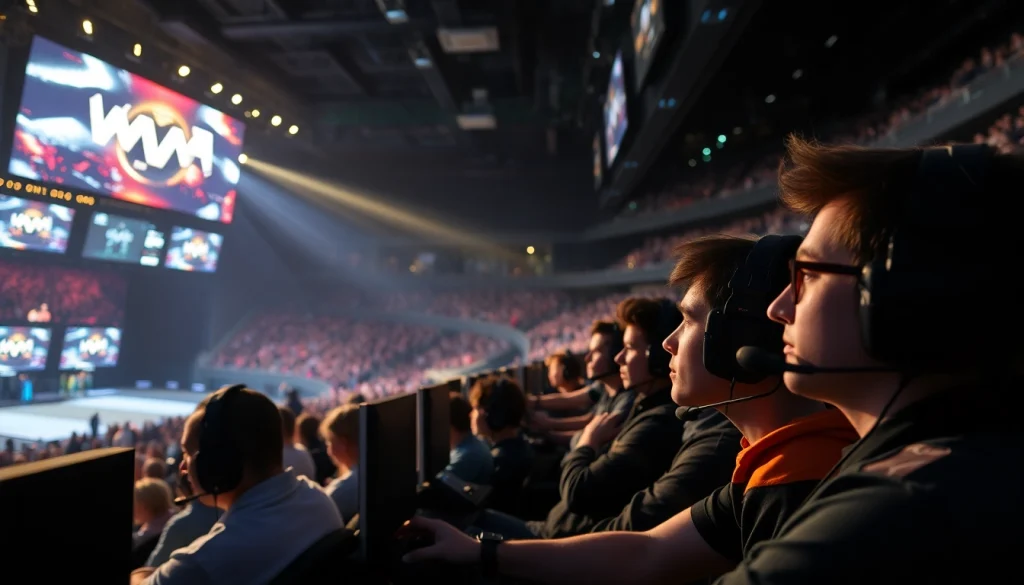
Esports, or electronic sports, represents a form of competitive gaming where individuals or teams compete against one another, often in organized events. These competitions can range from local tournaments to large-scale international events, featuring a variety of video games. At its core, esports combines elements of traditional sports competition with the unique features of gaming, such as strategy, teamwork, and digital innovation.
The esports landscape is continually evolving, driven by advances in technology and changing player dynamics. Unlike traditional sports, esports has a lower barrier to entry, allowing anyone with a computer or gaming console to participate. This democratization has led to a massive influx of players and fans, creating a vibrant and diverse community.
The Rise of Competitive Gaming
The rise of esports can be traced back to the late 20th century with the advent of online gaming. The early 2000s saw the emergence of competitive gaming leagues, which paved the way for today’s organized tournaments. Not only have these competitions become more sophisticated, but they also attract spectators from around the world, both in-person and online.
Numerous platforms have contributed to this growth, most notably streaming services that allow players to broadcast their gameplay to audiences. Popular platforms like Twitch and YouTube Gaming have transformed gaming into a spectator sport, with millions watching players compete in real-time.
Key Genres in Esports
Within the expansive world of esports, several genres have emerged as frontrunners in popularity, each offering unique gameplay experiences and strategic complexities:
- First-Person Shooters (FPS): Titles like “Counter-Strike” and “Call of Duty” dominate this genre, where players engage in fast-paced action that requires precision shooting and quick reflexes.
- Multiplayer Online Battle Arena (MOBA): Games like “League of Legends” and “Dota 2” have established themselves as staples in the esports community, featuring team-based strategy and extensive character selection.
- Real-Time Strategy (RTS): Classic games like “StarCraft” continue to be popular in competitive scenes, emphasizing strategic planning and resource management.
- Fighting Games: Titles such as “Street Fighter” and “Super Smash Bros.” have their own passionate followings, focusing on one-on-one combat.
- Sports Simulation: Esports versions of traditional sports like “FIFA” and “NBA 2K” attract fans from both gaming and sports communities.
Your Go-To Source for Gaming Updates at https://gamelevate.com
Latest Gaming News
For anyone invested in the gaming scene, having access to the latest news is critical. This is where platforms like https://gamelevate.com shine, providing timely updates about new releases, patch notes, and industry developments. With a focus on quality and accuracy, these sources keep gamers informed about the ever-changing landscape of video games and competitions.
Event Coverage and Highlights
Esports events, from local tournaments to international championships, are the heartbeat of the competitive gaming community. Coverage of these events includes live updates, highlights, interviews with players, and post-match analyses, giving fans an immersive experience. Platforms dedicated to esports coverage often provide exclusive insights and reports that reflect the intensity and drama of competitive matches.
Interviews with Gaming Professionals
Interviews with players, coaches, and industry experts offer invaluable perspectives on the gaming world. Engaging with professionals helps to understand their training regimen, mindset, and strategies applied during competitions. Furthermore, these interviews often shed light on upcoming games and potential shifts in the industry that may impact players and fans alike.
In-Depth Guides and Resources
Game Mechanics and Strategies
Understanding the mechanics of a game is foundational to success in esports. Comprehensive guides that break down various gameplay elements—such as character abilities, team compositions, and map strategies—empower players to enhance their performance. These resources often include tips on improving individual skills, optimizing gameplay, and utilizing effective communication in team settings.
Essential Resources for Gamers
Gamers need access to a plethora of resources to improve their gaming experience. From tutorials and walkthroughs to community forums and performance analytics, these resources play a crucial role in player development. Additionally, engaging with other players through these platforms fosters a sense of community and shared learning.
Beginner’s Guide to Competitive Gaming
For newcomers, navigating the world of competitive gaming can be daunting. Beginner’s guides provide an overview of essential concepts, from understanding game genres and player roles to exploring various platforms and tournaments. These guides often include tips on setting up a gaming rig, understanding gamer etiquette, and learning how to engage with the community.
Connecting with the Gaming Community
Online Forums and Discussion Groups
The gaming community thrives on discussion and collaboration. Online forums and discussion groups serve as platforms for players to share experiences, seek advice, and strategize. Engaging in these spaces encourages players to connect with others who share their passions, fostering camaraderie and enhancing their overall gaming experience.
The Importance of Networking in Esports
Networking has become increasingly vital in the world of esports. Through connecting with fellow players, coaches, and even sponsors, gamers can open doors to opportunities such as team memberships, sponsorships, and career advancements. Strategies for effective networking include attending gaming conventions, participating in online tournaments, and engaging with community events.
How to Engage with Influencers and Sponsors
Influencers and sponsors play pivotal roles in promoting esports. Engaging with them requires a clear understanding of their values and expectations. Gamers can reach out by showcasing their skills, engaging with their content, and demonstrating a commitment to the community. Building relationships with influencers can lead to mentorship opportunities and potential sponsorships.
Future Trends in the Gaming Industry
Emerging Technologies in Esports
The future of esports is closely tied to technological advancement. Innovations such as virtual reality (VR) and augmented reality (AR) are set to transform how games are played and experienced. Additionally, artificial intelligence is being integrated to create more challenging environments and enhance player analytics. Keeping an eye on these emerging technologies will be crucial for gamers looking to stay ahead of the curve.
Changes in Gaming Culture
As esports becomes more mainstream, changes in gaming culture are inevitable. This includes shifts in how gamers perceive competition, community engagement, and the overall societal impact of gaming. Diverse inclusivity is also at the forefront, with many organizations advocating for underrepresented communities in gaming. This evolving culture continues to shape the identity of esports, making it more accessible and relatable to the wider audience.
The Role of Streaming Platforms
Streaming platforms have revolutionized the way gaming is consumed. They provide a space for gamers to showcase their skills while engaging with a global audience. These platforms not only serve as entertainment sources but also as avenues for monetization through sponsorships and donations. As technology progresses, the role of streaming will likely expand, influencing how games are marketed and how players build their brands.