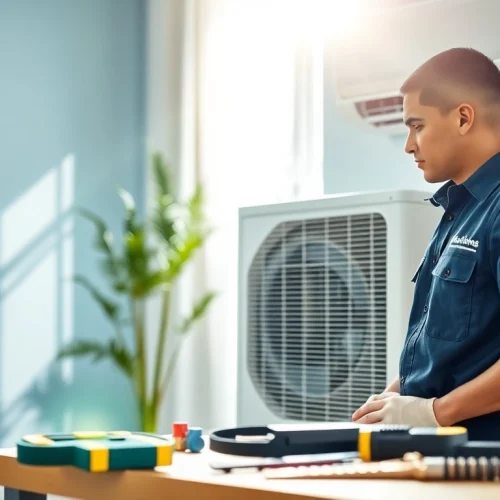

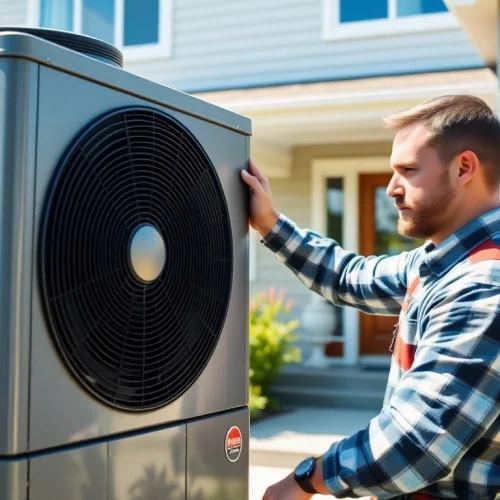
Understanding Trane Heat Pumps
What are Trane Heat Pumps?
Trane heat pumps are sophisticated heating and cooling systems designed to efficiently regulate indoor temperatures. Utilizing refrigeration technology, they transfer heat from one location to another, making them a versatile option for homeowners. Unlike traditional heating systems that generate heat, heat pumps extract heat from the air or ground, even in cooler climates, and move it indoors. This not only enhances energy efficiency but also provides consistent comfort throughout the seasons. Trane heat pumps are especially renowned for their reliability and performance in diverse conditions.
How Trane Heat Pumps Operate
The operation of Trane heat pumps is rooted in thermodynamic principles. At the heart of the system is a refrigerant, a fluid that alternately absorbs and releases heat as it circulates between the indoor and outdoor units. The main components include:
- Evaporator Coil: Absorbs heat from the outside air or ground.
- Compressor: Increases the temperature of the refrigerant by compressing it.
- Condenser Coil: Releases the absorbed heat indoors to warm the space.
- Expansion Valve: Reduces the pressure of the refrigerant, allowing it to cool down and restart the cycle.
This cycle can be reversed, allowing Trane heat pumps to both heat and cool a home efficiently. During summer, the system extracts heat from indoors and releases it outside, functioning as an air conditioner.
Benefits of Using Trane Heat Pumps
Trane heat pumps offer a multitude of benefits that make them an attractive choice for energy-conscious homeowners:
- Energy Efficiency: Heat pumps can deliver up to three times more energy than they consume, significantly lowering utility bills.
- Year-Round Comfort: They provide both heating and cooling in a single system, adapting to seasonal temperature changes.
- Environmentally Friendly: Heat pumps produce fewer greenhouse gas emissions compared to fossil fuel-based heating systems.
- Low Maintenance Costs: With fewer moving parts, heat pumps often require less maintenance and incur lower repair costs over time.
- Quiet Operation: Innovative design reduces noise levels, enhancing home comfort.
Key Features of Trane Heat Pumps
Energy Efficiency Ratings
When evaluating any heating and cooling system, energy efficiency ratings are crucial. Trane heat pumps boast impressive SEER (Seasonal Energy Efficiency Ratio) and HSPF (Heating Season Performance Factor) ratings, indicating their high performance in both cooling and heating modes. A higher SEER rating means greater efficiency during summer months, while a superior HSPF rating ensures effective heating during winter. These ratings not only reflect the systems’ energy use but also convey potential cost savings on energy bills.
Advanced Technology in Trane Heat Pumps
To maximize comfort and efficiency, Trane heat pumps incorporate advanced technologies such as:
- Smart Thermostat Compatibility: Many models can connect with smart home systems, allowing for remote temperature control and energy monitoring.
- Variable Speed Compressors: These compressors adjust their speed based on the heating or cooling needs, enhancing efficiency and comfort.
- Two-Stage Heating and Cooling: This technology allows for greater temperature consistency and comfort by providing a second stage of heating or cooling when needed.
Durability and Maintenance
Trane heat pumps are engineered to withstand the elements and serve reliably for years. With rigorous testing and high-quality construction, these units possess features such as:
- Corrosion-Resistant Coatings: Protect sensitive components from harsh weather conditions.
- Enhanced Insulation: Reduces heat loss and improves system efficiency.
- Long Lifespan: With proper maintenance, these systems can achieve an operational lifespan of 15 to 20 years.
Regular maintenance practices like cleaning filters, checking refrigerant levels, and servicing the system biannually can prolong the lifespan and maintain efficiency.
Choosing the Right Trane Heat Pump for Your Home
Factors to Consider
When selecting a Trane heat pump, various factors should guide your decision. These include:
- Climate: Consider your local climate and seasonal temperature variations. Some models are specifically designed for extreme cold or heat.
- Home Size: Larger homes may require multi-zone systems or higher capacity units.
- Energy Efficiency Goals: Determine your goals for energy efficiency and budget for installation and long-term operation.
Sizing Your Trane Heat Pump
Correct sizing is critical for optimal performance. An oversized unit may short cycle and be inefficient, while an undersized unit will struggle to maintain comfort. A professional technician typically performs a load calculation to determine the necessary size based on factors like square footage, insulation quality, and regional climate.
Common Mistakes to Avoid
Avoiding common pitfalls can save time and resources during your heat pump selection process:
- Ignoring Efficiency Ratings: Always check SEER and HSPF ratings to ensure long-term savings.
- Overlooking Installation: Poor installation can negate the benefits of a high-efficiency heat pump. Always hire qualified professionals.
- Forgetting about Insulation: A well-insulated home minimizes energy loss and enhances the heat pump’s effectiveness.
Installing Trane Heat Pumps
Steps for Professional Installation
Professional installation is crucial for the longevity and efficiency of Trane heat pumps. The process generally involves the following steps:
- Initial Assessment: A technician evaluates the home’s heating and cooling needs and recommends an appropriate model.
- Preparation: The area for installation is prepared by removing any existing systems and ensuring access to the power supply.
- Unit Placement: The outdoor unit is positioned, ensuring ample clearance for airflow and maintenance.
- Connection: The indoor and outdoor units are connected using refrigerant lines, electrical wiring, and drainage systems.
- Testing: The system is tested to ensure proper operation and efficiency before finalizing the installation.
DIY Installation Techniques
While professional installation is recommended, motivated homeowners may choose DIY techniques for smaller systems or supplemental units. Essential steps include proper sizing calculations, following the manufacturer’s installation instructions, and ensuring all electrical connections meet local code requirements. However, it is vital to recognize when to consult a professional to mitigate risks and guarantee efficiency.
Safety Precautions and Guidelines
Safety should always come first during installation. Essential precautions include:
- Ensuring power is disconnected before beginning work.
- Wearing personal protective equipment, such as gloves and goggles.
- Adhering to local building codes and regulations to maintain compliance.
FAQs about Trane Heat Pumps
What is the lifespan of Trane heat pumps?
Trane heat pumps typically last between 15 to 20 years with proper maintenance and care.
How often should I service my Trane heat pumps?
Regular servicing is recommended at least once a year to ensure optimal performance and longevity.
What factors affect the efficiency of Trane heat pumps?
Efficiency can be influenced by climate conditions, installation quality, and regular maintenance practices.
Are Trane heat pumps energy efficient?
Yes, Trane heat pumps are designed for high energy efficiency, significantly lowering utility bills over time.
Can I use Trane heat pumps in very cold climates?
Yes, many Trane heat pumps are engineered to operate effectively in cold climates while providing efficient heating solutions.