

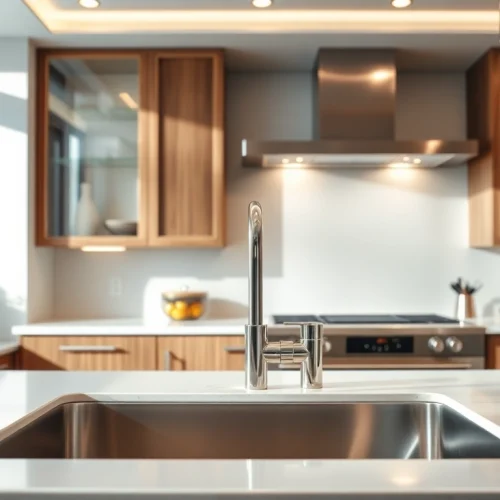
Understanding the Benefits of Steel Sink
When it comes to upgrading a kitchen or a bathroom, selecting the right sink is crucial. Among the myriad options available, the steel sink stands out for its unique blend of functionality and aesthetics. This article dives deep into the remarkable benefits of steel sinks, exploring their durability, maintenance ease, and stylish appeal.
Durability and Longevity
Steel sinks, particularly those made from stainless steel, are renowned for their exceptional durability. Crafted from high-quality steel, these sinks resist rust, corrosion, and staining, ensuring they maintain their pristine appearance over years of use. Unlike other materials, steel sinks can withstand significant wear and tear, making them ideal for busy kitchens.
Easy Maintenance
The maintenance of a steel sink is straightforward. A simple wipe with soap and water can get rid of daily grime, while tougher stains can usually be removed without harsh chemicals. Additionally, steel sinks do not harbor bacteria, making them a hygienic choice for food preparation areas.
Stylish Aesthetics
Beyond practical benefits, steel sinks exude a modern and sleek aesthetic. Their clean lines and shiny surfaces can complement various kitchen styles, from contemporary to industrial. With the ability to choose different finishes, such as brushed or polished, homeowners can tailor their steel sink to match their decor perfectly.
Types of Steel Sink Available
Single Bowl vs. Double Bowl
When selecting a steel sink, one of the first considerations is the configuration: single bowl or double bowl. Single bowl sinks offer ample space for washing large pots and pans, making them a popular choice for avid cooks. On the other hand, double bowl sinks provide versatility, allowing for multitasking—for instance, washing vegetables in one side while the other is used for dishwashing.
Top Mount vs. Undermount
Another key distinction lies in the installation type. Top mount sinks are easier to install as they sit on the countertop’s surface, creating a rim around the sink. Conversely, undermount sinks are installed beneath the countertop, creating a seamless appearance that enhances the countertop’s features. This type of installation can also make cleanup easier as food particles can be wiped directly into the sink.
Custom Designs
For those looking for a distinctive touch, custom-designed steel sinks can be an exquisite investment. These sinks can be tailored to specific dimensions and styles, catering to individual preferences. Features such as integrated drainboards, specially shaped bowls, and personalized finishes can result in a unique centerpiece for your kitchen.
Installation Tips for Steel Sink
Required Tools and Materials
Installing a steel sink requires a few essential tools and materials. Typically, you will need a basin wrench, pliers, a silicone sealant, and mounting clips. Additionally, it’s crucial to ensure you have a companion or helper, as lifting and positioning the sink can be a challenge without assistance.
Step-by-Step Installation Process
1. Preparation: Begin by turning off the water supply and removing the old sink if applicable. Clean the area to ensure a secure fit.
2. Placement: If installing an undermount sink, apply silicone sealant around the edge of the sink cutout in the countertop.
3. Securing the Sink: Position the sink into the cutout and secure it using the provided mounting clips, ensuring it is level.
4. Connecting Plumbing: Reconnect the plumbing fixtures, including the faucet and drain. Ensure all connections are tight to prevent leaks.
5. Final Touches: Turn the water supply back on and check for any leaks. Make any necessary adjustments.
Common Mistakes to Avoid
One common mistake is failing to measure the space accurately before purchasing a sink. A sink that is too large can lead to installation issues. Additionally, not securing the sink properly can result in movement or leaks over time. Always ensure the installation is level to avoid any water pooling issues.
Maintenance Best Practices for Steel Sink
Regular Cleaning Tips
To keep your steel sink looking new, regular cleaning is essential. Wipe down the sink with warm, soapy water after each use to prevent build-up. Avoid using harsh chemicals as they can dull the finish. Instead, opt for gentle cleaning agents that are safe for stainless steel.
Preventing Scratches and Dents
While steel sinks are durable, they can still be scratched by rough objects. To prevent this, use a soft sponge or cloth when cleaning. Additionally, consider using a sink mat or grid in the bottom of the sink to protect the surface from pots and utensils.
Handling Stains Effectively
For tough stains, a paste of baking soda and water can be effective. Apply the paste to the stained area, let it sit for 15 minutes, then scrub gently with a non-abrasive sponge. Rinse thoroughly with warm water to restore the sink’s shine.
Trends in Steel Sink Design
Popular Finishes
Finishes play a significant role in the aesthetics of steel sinks. Brushed finishes are gaining popularity due to their ability to hide water spots and fingerprints, while polished finishes offer a reflective quality that some homeowners find highly appealing. Additionally, matte finishes are emerging as a trend for a sophisticated, understated look.
Innovative Features to Consider
Modern steel sinks often come with innovative features, such as built-in cutting boards, colanders, and drying racks. These accessories can be incredibly beneficial in maximizing your workspace and making food preparation more efficient.
Incorporating Steel Sink in Kitchen Décor
Steel sinks can be a focal point in kitchen design. Pairing a steel sink with wooden cabinetry can create a warm contrast, while using it alongside sleek stone countertops promotes a contemporary feel. Proper lighting can also enhance the aesthetic of a steel sink, drawing attention to its features and materials.
FAQs About Steel Sink
1. What is the difference between stainless steel and regular steel sinks?
Stainless steel sinks resist rust and corrosion due to the chromium present in their composition, making them ideal for kitchen use.
2. Can I install a steel sink myself?
Yes, if you have basic plumbing skills and the right tools, you can install a steel sink yourself by following the appropriate steps.
3. How can I maintain the shine of my steel sink?
Regular cleaning with mild detergents and avoiding harsh chemicals will help maintain the shine of your steel sink.
4. Are steel sinks prone to scratches?
While durable, steel sinks can scratch; using soft sponges and avoiding abrasive cleaners can minimize this risk.
5. Do steel sinks have a specific lifespan?
With proper care, a quality steel sink can last a lifetime, owing to its resistance to rust and corrosion.