1. Understanding Generator Options for Rent
In today's fast-paced world, having access to reliable power is crucial, whether for a last-minute event, a construction project, or emergency backup during a power outage. Renting the right generator can provide the necessary power while keeping costs down. Understanding your options for generator for rent allows you to make informed decisions tailored to your specific needs.
1.1 Types of Generator for Rent
Generators come in various types, each suited to different circumstances:
- Portable Generators: Ideal for temporary power, these are compact and easy to transport, making them perfect for events, camping, and home use during outages.
- Inverter Generators: Known for their fuel efficiency and quiet operation, inverter generators supply clean power ideal for sensitive electronics.
- Standby Generators: Permanently installed and wired to your home or business, standby generators offer automatic backup power during outages, typically used for essential loads.
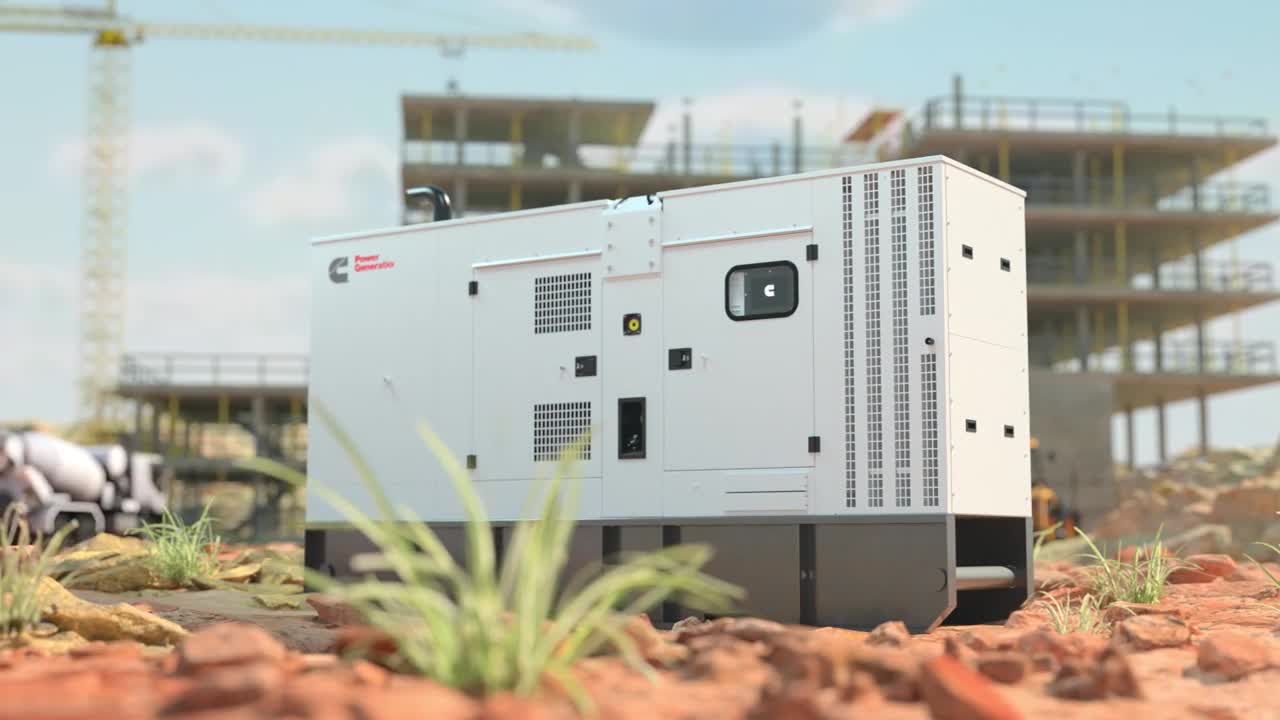
- Industrial Generators: Designed for heavy-duty applications, these generators provide substantial power output and are suitable for construction sites, large events, and manufacturing operations.
1.2 Key Features to Consider
When renting a generator, consider the following features to ensure you select the right equipment:
- Power Output: Measured in watts (W), understand the wattage requirements of your devices before choosing a generator.
- Fuel Type: Common options include gasoline, diesel, propane, and natural gas. Each has specific advantages concerning efficiency and availability.
- Noise Level: Important for residential settings or events, check the decibel rating to ensure it remains within acceptable limits.
- Portability: Look for models with wheels or handles for easy transport if mobility is required.
1.3 Determining Your Power Needs
To choose the right generator for rent, assess your power needs carefully. Start by identifying the appliances and tools you need to power:
- Calculate the total running watts of all items you plan to use.
- Account for any starting surge watts, particularly for equipment with motors (like refrigerators or power tools).
- It’s wise to add a buffer (around 20% extra capacity) to ensure the generator operates smoothly without being overloaded.
2. Benefits of Renting a Generator
Opting for a generator for rent instead of purchasing comes with numerous advantages:
2.1 Cost Savings Compared to Purchase
Purchasing a generator can be a significant investment, with costs ranging from hundreds to thousands of dollars, depending on the type. Renting allows you to access the power you need without tying up your capital in a rarely used asset. This is particularly beneficial for short-term projects or emergencies.
2.2 Flexibility and Convenience
Renting a generator provides flexibility; you can choose the size and type that perfectly suits your current task or event, whether it’s a small outdoor gathering or a large construction site. You also have the option to upgrade or switch models without any long-term commitment.
2.3 Access to Advanced Equipment
Rental companies often maintain new and well-stocked inventories, allowing you access to the latest technology without the expense of ownership. This means you can utilize modern, high-efficiency generators that may be more reliable and consume less fuel, reducing environmental impact.
3. How to Choose the Right Generator for Rent
Selecting the right generator requires careful consideration of various factors to ensure it meets your power needs effectively.
3.1 Evaluating Size and Capacity
Once you determine your power requirements, select a generator that meets or exceeds your calculated needs. Common generator capacities range from 1,000 watts for small portable units to over 100,000 watts for industrial applications.
3.2 Assessing Rental Terms and Conditions
Always read the rental agreement carefully. Look for details regarding time frames, costs, maintenance responsibilities, and what to do in case of a malfunction. Some companies offer support services that can be invaluable in emergencies.
3.3 Checking Maintenance and Support Services
Inquire about the maintenance history of the generator you plan to rent. Units that are regularly serviced will perform better and have fewer breakdowns. Ensure the rental company provides customer support or assistance, especially if you’re unfamiliar with generator operation.
4. Tips for Renting a Generator
A successful rental experience involves preparation, knowledge, and attention to detail. Here are tips to guide you through the process.
4.1 Preparing for Your Rental Experience
Start by gauging your specific needs and do research on different generator types available for rent. Make a checklist of necessary features and inquire ahead of time about availability, delivery options, and rental rates.
4.2 Safety Precautions When Using Generators
Generators can pose safety risks if not used properly. Some essential precautions include:
- Always operate generators outdoors to prevent carbon monoxide poisoning.
- Keep generators away from windows and doors.
- Use extension cords rated for the load and appropriate for outdoor usage.
- Never refuel while the generator is running; allow it to cool down to avoid fire hazards.
4.3 Returning Your Generator: What to Know
Before returning the generator, ensure it is clean and in the same condition you received it. Document any issues that arose during use. Understand the return policy, including fuel levels and any late fees, to avoid unexpected charges.
5. Frequently Asked Questions
5.1 What size generator do I need to rent?
The size depends on the total wattage of all devices you wish to use simultaneously. Add together running watts and surge watts to determine your needs.
5.2 How much does it cost to rent a generator?
Rental costs vary based on generator size and duration. Expect prices to range from $30 to $150 per day, depending on the model and features.
5.3 Can I rent a generator for a short duration?
Yes, renting for short durations is common. Most rental companies offer hourly, daily, or weekly rates suitable for various needs.
5.4 Do I need a deposit to rent a generator?
Many rental companies require a deposit. The amount usually depends on the equipment's value and is often credited toward your rental cost.
5.5 What should I check before renting a generator?
Check the generator’s condition, fuel type, output capacity, and any included accessories. Ensure you understand the rental terms and support options available.