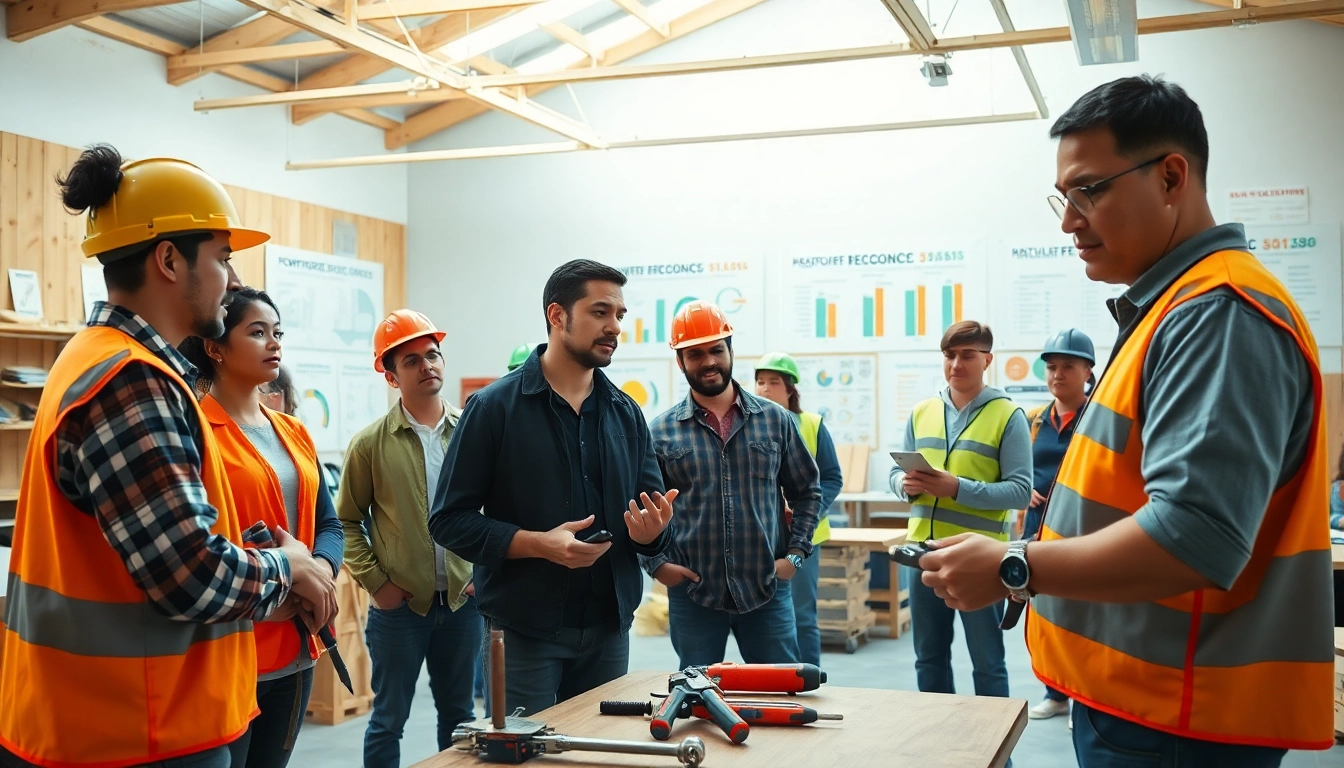
Understanding Construction Workforce Development
In today's rapidly evolving construction industry, the need for a skilled and competent workforce has never been greater. The term construction workforce development encompasses the multiple strategies and programs designed to ensure that workers are trained, educated, and equipped with the skills needed to succeed in their roles. This process is not merely about filling jobs; it’s about preparing individuals for lasting careers and promoting safety, efficiency, and innovation within the industry.
Definition and Importance of Construction Workforce Development
Construction workforce development refers to the organized effort to build and maintain a robust pool of skilled labor for the construction industry, addressing not only current needs but also future demands. This development is vital for several reasons:
- Economic Growth: A well-trained workforce contributes to economic expansion through increased productivity and efficiency.
- Innovation: Skilled workers enable the adoption of new technologies and methods, driving innovation within the sector.
- Sustainability: Workforce training focuses on sustainable practices, helping the industry to meet environmental goals.
Key Challenges in the Construction Workforce
Despite its importance, the construction sector faces several challenges in workforce development:
- Labor Shortages: An aging workforce combined with a lack of new entrants has resulted in critical labor shortages.
- Skill Gaps: The rapid evolution of construction techniques and technologies creates gaps between current skills and those required.
- Perception of the Industry: Many young people perceive construction jobs as less desirable compared to other career paths, impacting recruitment efforts.
Stakeholders in Workforce Development Efforts
Various stakeholders play a crucial role in addressing these challenges:
- Employers: Construction companies must invest in training and development programs to enhance employee skills.
- Educational Institutions: Partnerships with vocational schools and community colleges can help align training with industry needs.
- Government Agencies: Local, state, and federal programs can provide funding and resources for workforce initiatives.
Effective Strategies for Construction Workforce Development
To effectively develop the construction workforce, a multifaceted approach is essential. Here are several strategies that can significantly enhance workforce development efforts:
Recruitment and Outreach Approaches
Successful workforce development starts with robust recruitment strategies that reach diverse populations. Tactics may include:
- Job Fairs: Hosting job fairs at local high schools and community centers can attract young talent.
- Incentive Programs: Offering signing bonuses or scholarships for training programs may entice potential candidates.
- Utilizing Digital Platforms: Online job postings and social media outreach can help tap into a larger audience.
Training and Skill Enhancement Programs
Once recruited, continuous training is crucial. Programs should focus on:
- Apprenticeships: These programs allow individuals to gain hands-on experience while receiving mentorship.
- Certifications: Offering certification programs can validate skills and enhance credibility in the industry.
- Continuous Learning: Providing access to online courses and workshops ensures that employees can keep up with industry changes.
Partnerships with Educational Institutions
Creating partnerships with local educational institutions can bridge the gap between classroom learning and practical application. These partnerships may include:
- Curriculum Development: Collaborating on curriculum that reflects real-world needs ensures that students receive relevant training.
- Internship Opportunities: Providing internships helps students gain experience and gives companies early access to potential hires.
- Resource Sharing: Schools and employers can share facilities, trainers, and other resources to enhance training opportunities.
Metrics for Evaluating Workforce Development Success
To measure the effectiveness of workforce development programs, it is vital to employ metrics that provide insights into various aspects of the initiatives. Key performance indicators include:
Measuring Skill Acquisition and Retention
Skill acquisition can be measured through assessments and practical evaluations. Retention can be tracked by monitoring employee turnover rates, assessing whether enhanced training leads to greater job satisfaction and longer employment.
Tracking Employment Outcomes and Job Placements
Successful workforce development should reflect in job placement rates. Tracking post-training employment can help evaluate the impact of training initiatives on the workforce.
Assessing Feedback from Participants and Trainers
Regular feedback from both participants and trainers can offer invaluable insights into program effectiveness. Surveys and focus groups can highlight areas for improvement and confirm which aspects of the training are most beneficial.
Innovative Trends in Construction Workforce Development
As the construction sector evolves, innovative trends are shaping workforce development. These include:
Technology Integration in Training Programs
Bringing technology into training can greatly enhance learning experiences. Virtual reality (VR) and augmented reality (AR) offer immersive training scenarios, while online resources provide flexible learning options.
Focus on Diversity and Inclusion in Recruitment
An inclusive approach to recruitment helps to broaden the talent pool. Strategies such as targeted outreach to underrepresented communities can promote diversity within the workforce.
Future Skills Needed in the Construction Industry
The construction workforce must adapt to emerging technologies. Skills in data analytics, project management, and sustainable building practices are increasingly in demand. Training programs should evolve accordingly to prepare workers for the future landscape.
Case Studies and Real-World Applications
Learning from successful workforce development programs can provide valuable insights for implementation. Here are some highlights:
Highlighting Successful Workforce Development Programs
Programs that integrate comprehensive training, mentorship, and career advancement opportunities have shown remarkable success in developing skilled workers. By studying these models, other organizations can replicate their success.
Lessons Learned from Industry Leaders
Industry leaders often emphasize the importance of adaptability. Continuous evolution of training and recruitment methods reflects the changing demands of the construction industry.
Community and Economic Impacts of Workforce Development
Effective workforce development initiatives can have a profound impact on local economies. By creating job opportunities and enhancing skills, communities can experience growth and prosperity.