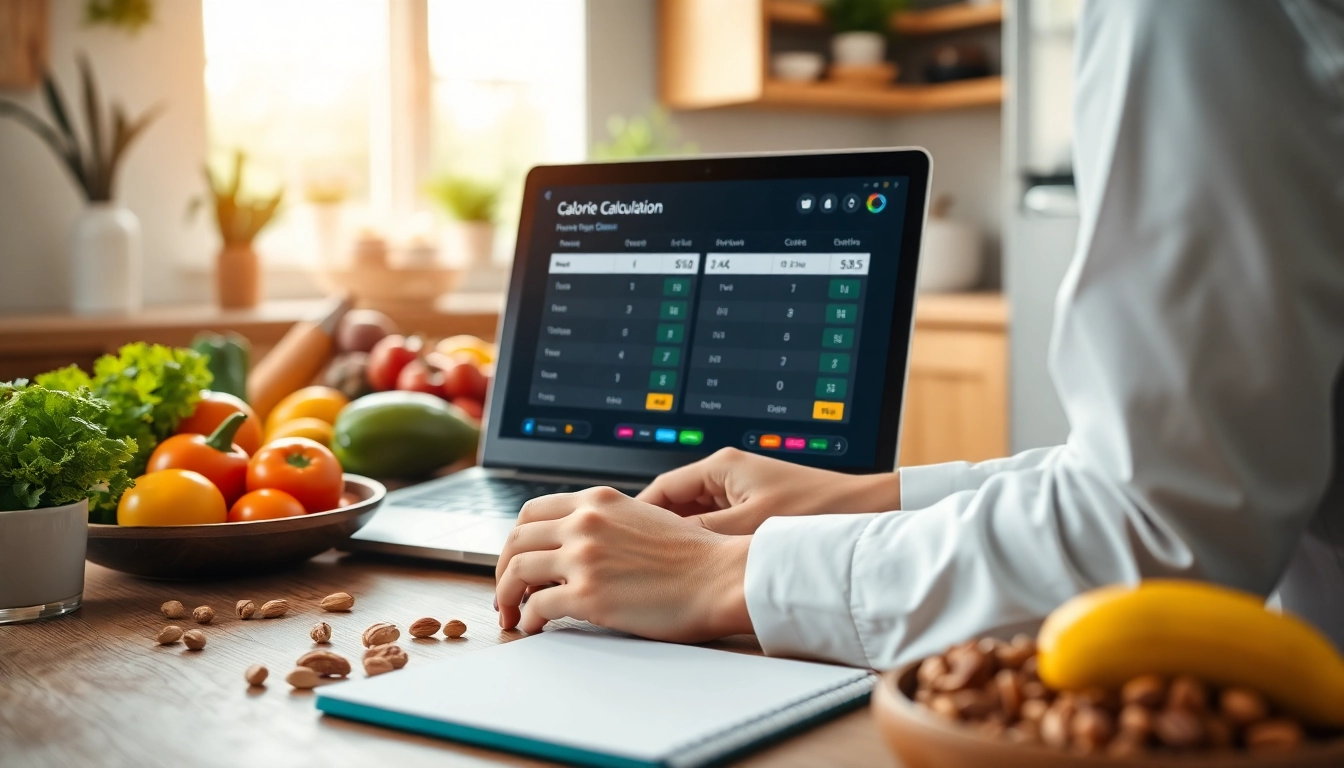
Understanding the Basics of the Calorie Calculator
In the world of nutrition and fitness, knowing how many calories you consume and how many you need is paramount to achieving your goals, whether they be weight loss, maintenance, or gain. One of the essential tools for understanding this is a calorie calculator. This article aims to delve deeply into the mechanics behind calorie counting, the science of caloric needs, and how to effectively utilize these tools for your dietary management.
What is a Calorie?
A calorie is a unit of measurement for energy. When it comes to food, calories represent the amount of energy that your body can obtain from consuming that food item. The energy provided by food is essential for all bodily functions, from cellular processes to physical activities. To put it simply, every movement, every thought, and every heartbeat relies on the energy provided by the calories in the food we consume.
The Importance of Caloric Intake
Caloric intake is crucial for maintaining overall health. If you consume more calories than your body needs for energy expenditure, the excess will be stored as fat. Conversely, if you consume fewer calories than your body requires, you will begin to lose weight as your body taps into its fat reserves for energy. Therefore, understanding your caloric needs is vital for achieving a desired body weight and overall health.
How the Calorie Calculator Works
Calorie calculators are designed to estimate how many calories you need each day based on various factors such as age, gender, weight, height, and activity level. By entering this information, the calculator can help you determine a caloric intake that aligns with your weight goals—whether you want to lose, maintain, or gain weight. Additionally, many calculators also provide breakdowns of macronutrient needs, aligning with broader dietary goals.
Calculating Your Daily Caloric Needs
Factors Influencing Your Caloric Needs
Several factors influence how many calories you need each day. These include:
- Basal Metabolic Rate (BMR): The number of calories your body burns at rest to maintain vital functions like breathing and circulation.
- Activity Level: More active individuals require more calories to fuel their workouts and daily activities.
- Age: Caloric needs tend to decrease with age due to a decline in muscle mass and metabolic rate.
- Gender: Generally, men have a higher caloric requirement than women due to increased muscle mass and size.
- Weight Goals: Your specific health goals (whether it's weight loss, gain, or maintenance) will dictate your caloric needs.
How to Use the Calorie Calculator for Weight Management
Using a calorie calculator involves inputting your personal data into the tool to receive an estimate of your daily caloric needs. From here, you can create a dietary plan:
- Input your data: Enter your age, gender, height, weight, and activity level.
- Set your goals: Indicate whether you want to lose, maintain, or gain weight.
- Adjust as necessary: Based on the output, you may need to tweak your diet to ensure you are meeting your specific caloric needs.
- Monitor your progress: Regularly track your weight and adjust your calorie intake accordingly.
Real-life Examples of Calorie Requirements
To illustrate how a calorie calculator works, let’s consider the following examples:
- A 30-year-old woman, 5'5" tall, weighing 150 pounds, with a moderately active lifestyle, might need around 2,000 calories per day to maintain her weight.
- A 25-year-old man, 6'0" tall, weighing 180 pounds, who is very active, may require about 2,800 calories to stay at his current weight.
Tracking Calories Effectively
Tools and Apps to Track Your Caloric Intake
Modern technology has made tracking caloric intake easier than ever. Several apps and tools are available that can help you monitor what you eat:
- Mobile Apps: Applications like MyFitnessPal, Lose It!, and Cronometer allow you to log food conveniently and track macronutrient breakdowns.
- Wearable Devices: Fitness trackers can monitor your activity levels, providing insights into your caloric expenditure which can inform your dietary choices.
- Food Diary: Keeping a simple journal of your meals can offer profound insights into your eating habits and help identify patterns.
Best Practices for Monitoring Your Diet
To ensure accurate tracking of your caloric intake, consider the following best practices:
- Be consistent: Log your meals and snacks every day to keep an accurate record.
- Weigh your food: Using a food scale can help you measure portion sizes accurately.
- Read nutrition labels: Understanding serving sizes and caloric content can help you make better choices.
Understanding Caloric Labels on Food Products
Nutrition labels can sometimes be confusing. They provide crucial information about the caloric content of products and their macronutrient breakdown. Key components to pay attention to include:
- Serving Size: This indicates how much of the product is considered one serving.
- Total Calories: The number of calories you get from one serving.
- Fat, Carbohydrates, and Protein: The macronutrient breakdown that contributes to the total caloric value.
Beyond Calories: Nutritional Balance
Macronutrients vs. Micronutrients
Nutritional science emphasizes the importance of both macronutrients (carbohydrates, proteins, and fats) and micronutrients (vitamins and minerals). While calories mainly focus on energy intake, a balanced diet will include appropriate amounts of these nutrients:
- Carbohydrates: Primary source of energy; important for physical activity and brain function.
- Proteins: Essential for muscle repair and growth, as well as hormone production.
- Fats: Necessary for hormone production, nutrient absorption, and providing energy.
- Micronutrients: Vital for numerous biological functions, including immune response and bone health.
How to Achieve a Balanced Diet
Achieving a balanced diet involves making thoughtful choices about the foods you consume:
- Include a variety of foods: Aim for a mix of fruits, vegetables, whole grains, lean proteins, and healthy fats.
- Control portions: Even healthy foods can lead to weight gain if consumed in excess.
- Limit processed foods: These are often high in sugars, fats, and empty calories.
Caloric Quality: Whole Foods vs. Processed Foods
The quality of the calories consumed matters. Whole foods, such as fruits, vegetables, whole grains, and lean proteins, generally offer more nutritional value than processed foods high in sugars and unhealthy fats. When aiming for weight management, focusing on calorie quality can enhance overall health and well-being.
Adjusting Your Caloric Goals Over Time
When to Reassess Your Caloric Needs
Your caloric needs may change over time due to various factors:
- Weight changes: Adjust your caloric intake as your weight goes up or down.
- Life events: Progress in your fitness levels, changes in physical activity, or aging all influence your caloric needs.
- Health challenges: Certain medical conditions may require adjustments in dietary intake.
Adapting Your Diet for Lifestyle Changes
Life is dynamic, and so should your diet plan be. Whether you start a new exercise regimen, change jobs, or even experience stress, these factors can influence your caloric needs. Regularly assess how these changes affect your energy levels and adjust your diet accordingly.
Common Mistakes in Caloric Tracking
While using a calorie calculator and tracking your intake can be immensely beneficial, there are common pitfalls to avoid:
- Underestimating portion sizes: Many people neglect to measure food and end up consuming more calories than they realize.
- Ignoring liquid calories: Beverages can add up quickly; don’t forget to include them in your calculations.
- Neglecting nutrient density: Focusing solely on calories can lead people to make unhealthy food choices that lack essential nutrients.
By following the insights and guidelines outlined here, you can navigate the complexities of caloric intake and ensure you meet your health and fitness objectives. A calorie calculator can serve as a beneficial starting point in your journey toward a healthier lifestyle.