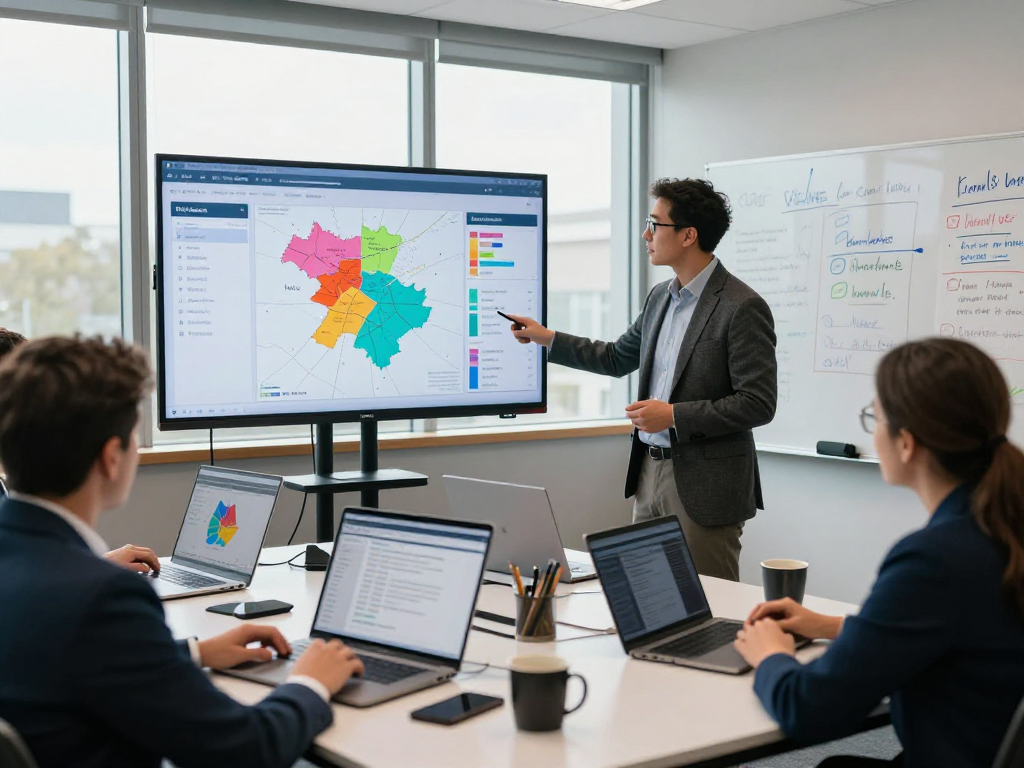
Understanding Conference Tables: Types and Features
The selection of Conference tables plays a critical role in the working environment of any office. They serve not just as a surface for discussions but lay the groundwork for collaboration, decision-making, and innovation. Understanding the types, essential features, and how they impact workspace design is key to making a well-informed choice.
Different Types of Conference Tables
Conference tables come in a variety of shapes, sizes, and styles. The right choice will depend on the specific needs of your organization, available space, and the type of meetings typically held. Here are some prevalent types of conference tables:
- Rectangular Tables: Ideal for formal meetings with several participants. They are versatile and can be arranged in various configurations.
- Round Tables: Encourage equality among participants as everyone is equidistant. They are perfect for small group discussions and brainstorming sessions.
- Oval Tables: Combine the benefits of both rectangular and round tables, providing ample seating while maintaining a sense of closeness among participants.
- U-Shaped Tables: Best for presentations and discussions where a leader or speaker is involved. The setup promotes interaction between the speaker and the audience.
- Boardroom Tables: Typically longer and wider, designed for executive meetings and strategic discussions.
- Collaborative Tables: Designed for teamwork and collaboration, suitable for workshops or large groups desiring an interactive environment.
Essential Features to Look For
When choosing a conference table, consider the following essential features that enhance functionality:
- Size: Ensure the table accommodates the number of attendees comfortably without taking up excessive space.
- Shape: The shape should facilitate sensible communication and interaction depending on meeting types.
- Material: Different materials convey different atmospheres and durability. Options include wood, metal, and glass.
- Technology Integration: Ensure provisions for technology, including outlets for charging devices, monitors for presentations, and wiring channels.
- Mobility: Consider lightweight or modular designs that can be rearranged as needed for flexibility in meeting formats.
Impact on Workspace Design
The choice of conference table greatly impacts the overall design of your office space. A well-chosen table fosters a conducive environment for collaboration and creativity. Factors to consider include:
- Aesthetic Appeal: Select designs and finishes that compliment the existing décor of your office, boosting aesthetics while creating a professional atmosphere.
- Spatial Efficiency: Maximize the utility of your workspace. Consider how the table fits with existing furniture and the flow of movement through the room.
- Functionality: A table should not only look good but also serve the functional needs of your team. Assess how it will be used daily to ensure it fulfills those requirements.
- Culture and Identity: Choose a design that reflects your company’s culture. Whether modern, traditional, or funky, it should resonate with your organization's values.
Measuring Your Space: Finding the Perfect Fit
Before making a purchase, it’s crucial to assess your space accurately to find the ideal conference table. Proper measurements ensure functionality, flow, and comfort in the meeting area.
Assessing Room Dimensions
Begin by measuring the entire room where the table will be placed. Consider both length and width. It’s important to leave adequate space around the table for movement and chairs. A general rule is to allow at least 3 feet of clearance around the table for attendees to move freely.
Considering Capacity and Mobility
Determine how many people will typically use the conference table. This will lead you to choose a size that accommodates your team while preventing overcrowding during meetings. Additionally, if you often have different groups using the space, consider tables that allow for quick reconfiguration or movement.
Creating a Flow for Meetings
Think about how the table will fit into the overall flow of the room. Will it facilitate easy access to all participants? Can technology be easily integrated without disrupting the space? Creating a logical flow will help promote productive discussions and effective collaboration.
Materials and Aesthetics: Selecting the Right Look
The material and aesthetics of conference tables not only influence the visual appeal of your office but also play a pivotal role in the functionality and durability of the furniture.
Popular Materials for Conference Tables
When selecting a conference table, consider the following common materials:
- Wood: Offers warmth and classic aesthetics; variations include hardwoods like oak, walnut, and cherry, which are durable and add elegance.
- Laminate: A cost-effective alternative with various finishes and colors, making it versatile and easy to maintain.
- Metal: Provides a modern feel, often used for industrial-style tables. Metal tables are robust but may need proper coating to prevent rust.
- Glass: Creates a sophisticated look, evoking a sense of openness. Glass tables should have reinforced safety glass to prevent accidents.
- Composite Materials: Such as MDF or particleboard, tend to be more affordable and can mimic the appearance of higher-end materials.
How Aesthetics Influence Workplace Culture
The design and aesthetics of your conference table contribute to the overall workplace culture. An inviting table can lead to more open conversations, creativity, and participation among team members. Choosing colors, materials, and designs that reflect your brand can help establish a stronger connection with employees and clients alike.
Customization Options to Consider
Customization could be key to achieving the perfect fit for your office needs. Explore customization options such as:
- Finish: Choose to finish the wood or glaze that aligns with your office's theme and vibe.
- Shape: Many manufacturers allow options beyond typical shapes to accommodate unique interior layouts.
- Size: Custom dimensions can make a substantial difference in functionality, ensuring no wasted space in your office.
- Technology Integration: Custom design can include specific conduit for wiring and power sources to facilitate tech use during meetings.
Functional Aspects of Conference Tables for Enhanced Collaboration
Functionality should take center stage when selecting Conference tables , as they should not only facilitate meetings but enhance collaboration among team members.
Incorporating Technology into Design
In today’s tech-savvy workplace, tables equipped for technology usage have become increasingly important. Features to look for include:
- Integrated Power Outlets: These allow for the easy charging of laptops and other devices, making meetings more productive.
- Screen Integration: Whether for presentations or video calls, incorporating screens or mounts into the design can enhance communication.
- Cable Management Solutions: Consider tables that include dedicated channels or grommets to keep cables organized and minimize clutter.
Ergonomics and Comfort for Users
Comfort leads to increased productivity. Ensure that the table design considers ergonomic principles. Look for features such as:
- Height: Tables should be at a comfortable height for seated participants to avoid strain.
- Space for Movement: Ensure there’s adequate legroom, permitting users to shift comfortably during meetings.
- Chair Compatibility: Chairs used in conjunction with the table should be comfortable, supportive, and height-adjustable where possible.
Flexible Configurations for Different Scenarios
Being able to rearrange conference tables for different meeting types can significantly affect the productivity and effectiveness of discussions. Consider tables that can be easily moved or adjusted, such as:
- Modular Tables: These can be combined or separated to create different configurations based on needs.
- Folding Tables: For instant adaptability in mult-purpose spaces, folding or collapsible designs can free up space.
Budgeting for Conference Tables: Making Smart Investments
Budgeting should not constrain the quality and effectiveness of conference tables. Proper planning can ensure that you make a smart investment with long-term benefits.
Understanding Price Ranges
Conference table prices vary widely based on material, size, design, and features. Understanding average price ranges can help you set a budget:
- Entry-Level Options: Basic models may start as low as $200 or $300, generally made from laminate or lower quality materials.
- Mid-Range Options: Expect to invest between $800 and $2,000 for substantial, quality models made from solid wood or higher-grade materials.
- High-End Choices: These can range from $3,000 up to above $10,000 for custom sizes and premium materials.
Balancing Quality and Affordability
When on a budget, it’s essential to balance between quality and cost. Consider the following tips:
- Invest Wisely: Higher-quality materials offer durability and aesthetics that can pay off over time.
- Look for Features: Invest in necessary features that enhance your meeting experiences, preventing costly alterations in the future.
Long-term Value and Durability
Investing in a conference table should be assessed not just by initial costs, but long-term value. Durable furniture reduces replacement frequency, while proper maintenance, such as regular cleaning and protective measures, can extend longevity. Look for warranties and trusted manufacturers to ensure your investment is sound.