Understanding the Importance of a Trade Show Booth
In today's competitive landscape, businesses are constantly seeking effective ways to stand out and engage potential customers. A trade show booth serves as a physical manifestation of a company's brand and values during events. It's not merely a space to showcase products and services; it's a critical platform for establishing connections, generating leads, and enhancing brand visibility. The effectiveness of a trade show booth can significantly influence the overall success of your participation in trade shows, making it crucial to approach its design and execution with thoughtful strategy.
The Role of a Trade Show Booth in Brand Visibility
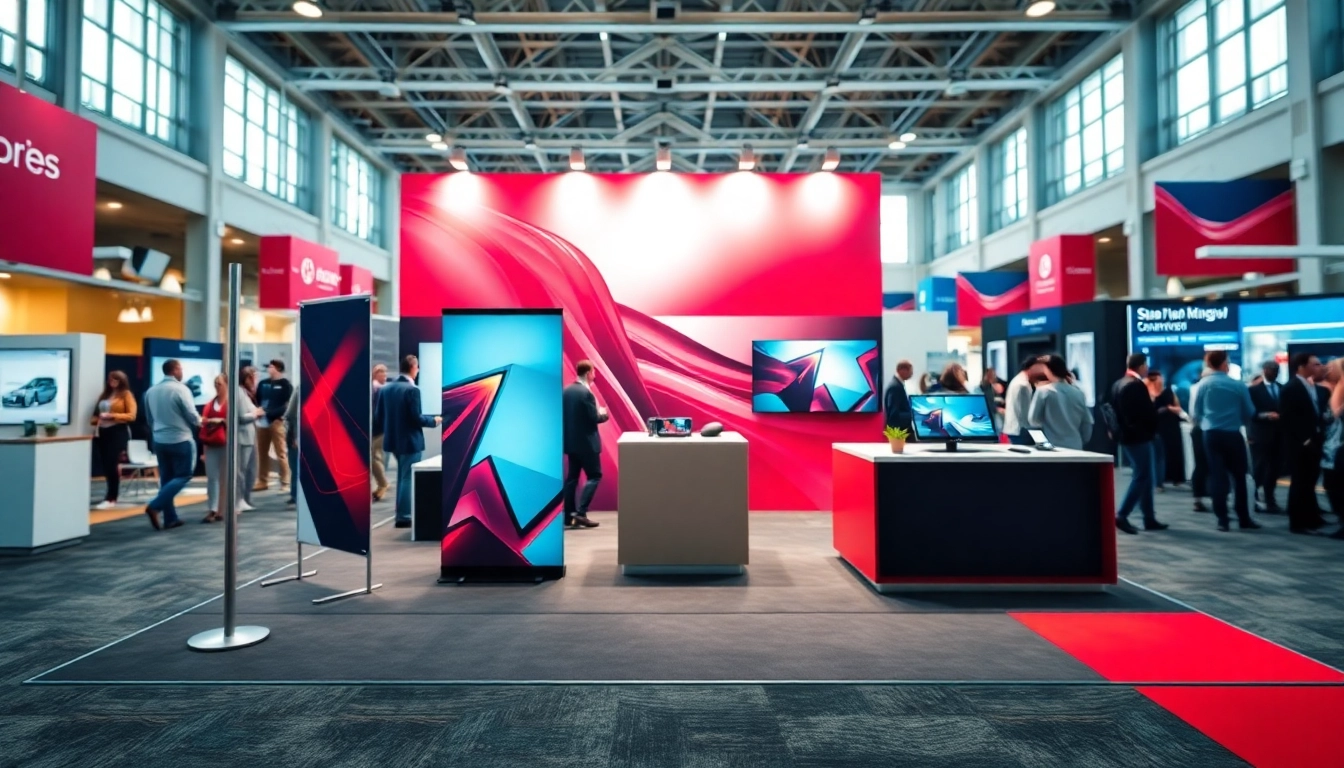
Trade shows provide a unique opportunity to exhibit products and services in a dedicated space filled with potential clients, partners, and industry advocates. The design and layout of a trade show booth are instrumental in capturing attention and prompting visitors to engage with your brand. A well-constructed booth not only conveys professionalism but also tells a compelling story about your company, its mission, and its offerings.
Research shows that attendees are more likely to remember brands that utilize visually appealing designs and interactive displays. This memorable hunter-gatherer instinct means that a visually striking booth is not just attractive—it is necessary for captivating interest and making a lasting impression.
Common Pitfalls to Avoid When Designing a Trade Show Booth
While creating a trade show booth is an exciting venture, many companies fall into common traps that can diminish its impact. Here are some pitfalls to avoid:
- Lack of Clear Messaging: Visitors should quickly understand what you offer. Avoid cluttered displays that dilute your message.
- Neglecting Engagement: A booth focused solely on displays without interactive elements loses out on attracting visitors. Incorporate technology like touch screens or virtual reality experiences.
- Overlooking the Target Audience: Know who you're trying to attract. Customize your booth to speak directly to the needs and interests of potential clients.
Effective Strategies for Engaging Visitors
Engagement is the name of the game at trade shows. Here are some strategies to create meaningful interactions:
- Interactive Demonstrations: Allow visitors to experience your products or services first-hand.
- Contests and Giveaways: Offering branded merchandise is not only enticing but also keeps your brand fresh in attendees' minds.
- Live Presentations: Schedule talks or demonstrations to maximize booth traffic and engage audiences with valuable information.
Design Elements of an Effective Trade Show Booth
Choosing the Right Layout and Configuration
The layout of your trade show booth significantly influences how visitors interact with your space. There are various configurations to choose from—inline, corner, peninsula, and island booths—each offering distinct advantages. A peninsula or island booth allows for a more open layout, encouraging visitors to walk all around and engage from multiple angles, while inline booths provide a linear experience that can be effective when paired with strategic layout considerations.
Incorporating Branding in Your Trade Show Booth Design
Your booth should be a reflection of your brand identity. Every design element should be seamless with your overall branding strategy. Use your brand colors, logo, and messaging prominently to ensure consistency across all touchpoints. High-quality graphics, clean and professional signage, and branded promotional materials will foster stronger connections with potential clients.
Essential Accessories and Technology for Your Booth
Incorporating the right accessories and technology can elevate your trade show booth from ordinary to extraordinary. Consider these additions:
- Digital Displays: Use screens to showcase product videos or live demos.
- Lighting: Modern lighting solutions can highlight key areas and products within your booth.
- Charging Stations: Offering a place for attendees to charge their devices can lure them into your booth.
Cost Considerations for Your Trade Show Booth
Budgeting for Design and Materials
Understanding the financial aspect of trade show booths is critical for effective planning. Budgeting efforts should encompass design costs, materials, transportation, staffing, and additional promotional efforts. A well-itemized budget prevents overspending and guarantees that all necessary elements are accounted for, enhancing overall efficiency.
Understanding Value vs. Cost in Booth Design
Investing in a quality trade show booth is not simply about expenditure; it’s about ensuring you receive returns in terms of leads and brand visibility. Evaluate your potential ROI when deciding on materials and the complexity of your booth's design. Investing in premium materials and engaging layouts may seem like a bigger upfront cost, but the potential gains in brand exposure can far outweigh those initial expenditures.
Options for Renting vs. Purchasing a Trade Show Booth
When considering your options for a trade show booth, you may either rent or purchase. Renting can be beneficial for startups or businesses participating in a few events annually, as it reduces capital expenses. On the other hand, buying a booth can offer long-term savings if you’re exhibiting frequently. Always weigh your options based on your marketing strategy and anticipated frequency of trade show appearances.
Maximizing Your Trade Show Booth's Impact
Marketing Strategies to Drive Traffic to Your Booth
Driving traffic to your booth is crucial for maximizing engagement and leads. Utilize preludes to your event participation, such as email newsletters or social media promotions. Consider offering appointments or requesting RSVPs for special events at your booth during the trade show to create urgency and encourage attendance.
Leveraging Social Media Before, During, and After the Event
Social media serves as a valuable instrument for trade show marketing. Before the event, announce your participation and tease details about your booth. Utilize platforms like Instagram and Twitter during the event to provide live updates, share visuals of your booth, and engage with attendees. Post-event, a follow-up campaign to thank visitors can help in cultivating ongoing relationships.
Collecting and Analyzing Leads Generated from Your Booth
Integrating effective lead collection methods such as digital scanners or business card drop boxes ensures you capture all visitor information. Post-event, leverage CRM software to analyze data collected, helping to assess the effectiveness of your booth and refine your approach for future events.
Post-Event Strategies for Your Trade Show Booth
Evaluating Performance and Return on Investment
Once the event concludes, it’s important to evaluate your booth's performance. Metrics to consider include the number of leads collected, engagement levels, and sales generated. This analysis will help in determining your ROI and provide insights for improving future booth designs and strategy.
Refreshing Your Trade Show Booth for Future Events
Just because your booth was successful at one event doesn’t mean it should remain unchanged for the next. Periodically refreshing your booth design, graphics, and exhibits can re-engage returning attendees and attract new visitors. Consider feedback from past events to innovate and adapt your approach.
Long-Term Benefits of Networking and Follow-ups
Networking doesn’t end when the trade show closes. Establishing and maintaining connections with new contacts is necessary for building a sustainable business. An effective follow-up strategy, whether through personalized emails or social media interactions, solidifies relationships that can yield beneficial partnerships and sales down the line.