Understanding HEPA Filters
What is a HEPA Filter?
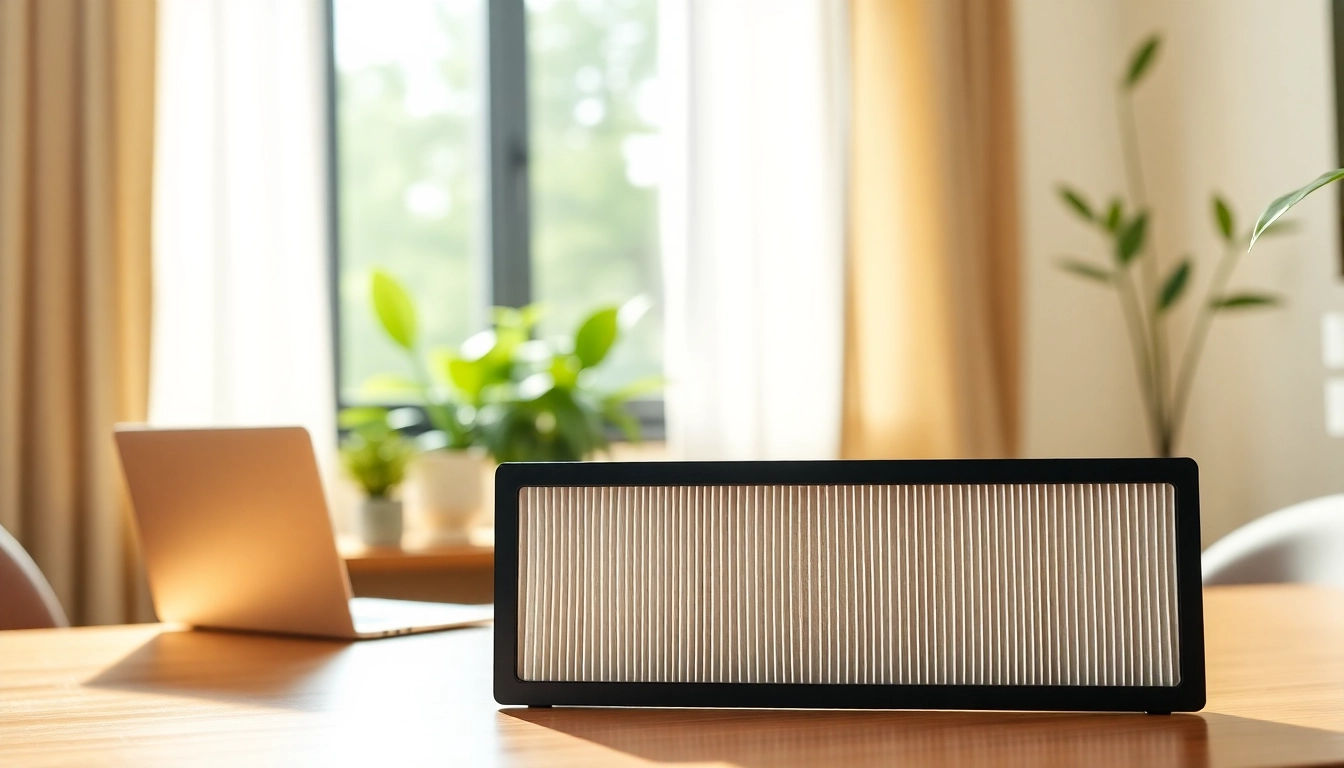
HEPA, which stands for High-Efficiency Particulate Air, refers to a type of air filter that can trap at least 99.97% of particles that are 0.3 microns in diameter. This small size measurement is crucial because it encompasses the most penetrating particle size (MPPS), which is notable for being the most difficult particle size for filters to capture. HEPA filters are constructed from a mat of randomly arranged fibers, usually made from fiberglass, and exhibit a high airflow rate while still providing efficient filtration. As a result, they are commonly utilized in various settings, from residential homes to industrial environments, to ensure high-quality air purification.
The Science Behind HEPA Technology
HEPA filters work through a combination of mechanisms: interception, inertial impaction, and diffusion. Larger particles are captured through inertial impaction as they collide with the fibers while moving through the air. Particles smaller than the fibers, on the other hand, are caught via diffusion—this random motion of particles allows them to collide with the fibers and get trapped. Additionally, interception occurs when particles that follow the air streamlines come in close proximity to the fibers and adhere to them. This unique technology makes HEPA filters one of the most effective solutions for improving indoor air quality.
Common Applications of HEPA Filters
HEPA filters are widely used in diverse environments, such as:
- Home Air Purifiers: These are designed to remove allergens like dust, pollen, and pet dander from the air, improving overall air quality and helping to alleviate allergies.
- HVAC Systems: Many heating, ventilation, and air conditioning systems come equipped with HEPA filters to promote clean air circulation in homes and offices.
- Medical Facilities: Hospitals utilize HEPA filters in surgical rooms and patient wards to prevent the spread of airborne infections.
- Automobiles: Cars equipped with HEPA filters can significantly reduce in-cabin air pollutants, providing a healthier environment for passengers.
Benefits of HEPA Filters
Health Benefits of Clean Air
Breathing clean air is paramount for health and well-being. HEPA filters effectively remove allergens, dust, and microorganisms from the air, contributing to a significant reduction in respiratory issues, allergies, and other health problems. Research indicates that prolonged exposure to contaminated air can lead to chronic illnesses, making air quality an essential aspect of health. By investing in a hepa filter, individuals can enhance their quality of life, ensuring cleaner air throughout their living and working spaces.
Efficiency in Air Purification
HEPA filters are recognized for their unparalleled efficiency in filtering out a wide range of particulate matter. Unlike standard filters, which may only capture larger particles, HEPA filters trap microscopic contaminants, including chemicals and biological agents. This makes them particularly valuable in industries requiring strict hygiene standards, such as pharmaceuticals and food production. Their capacity to purify the air leads to improved air quality and creates a safer environment for both employees and customers.
Long-term Savings on Health Costs
Investing in HEPA filters can yield significant long-term savings by reducing health-related costs. Improved indoor air quality can lower the prevalence of asthma attacks and other respiratory ailments, which often result in expensive medical treatments and lost productivity. Moreover, the durability and efficiency of HEPA filters result in minimized maintenance and replacement costs over time. In many cases, the initial expenditure is offset by the subsequent economic benefits, making HEPA filters not just a health investment, but a smart financial choice.
Choosing the Right HEPA Filter
Types of HEPA Filters Available
There are various types of HEPA filters available in the market, including:
- True HEPA Filters: These filters meet strict standards set by the U.S. Department of Energy (DOE) and capture 99.97% of particles that are 0.3 microns or larger.
- HEPA-Type Filters: Often marketed as HEPA filters, these do not meet the same efficiency standards but may still offer a decent level of filtration.
- ULPA Filters: Ultra-Low Penetration Air filters can capture 99.999% of particles as small as 0.1 microns, making them ideal for highly sensitive environments.
Factors to Consider When Selecting a HEPA Filter
When selecting the right HEPA filter for your needs, consider the following factors:
- Efficiency Rating: Look for true HEPA filters with high efficiency ratings for better air quality.
- Compatibility: Ensure the filter fits correctly in your device or system to maintain optimal performance.
- Application: Consider whether you need a filter for residential use, commercial spaces, or specialized applications.
- Cost vs. Value: Evaluate the price in context with the expected longevity and performance of the filter.
Top Brands and Products
There are numerous brands known for their quality HEPA filters. Some reputable options include:
- Honeywell: Known for a range of air purification products, including efficient HEPA filters for different applications.
- Dyson: Renowned for innovative filtering technology and stylish designs in their air purifiers.
- IQAir: Highly praised for their ULTRA and HealthPro series, offering superior filtration in various environments.
- Blueair: Offers a combination of HEPA-Silent technology and energy efficiency in their filtration systems.
Installing HEPA Filters
Step-by-Step Installation Guide
Installing a HEPA filter is straightforward if you follow these steps:
- Turn Off the Device: Always ensure the appliance or HVAC system is powered off before starting the installation.
- Remove the Old Filter: Carefully take out the old filter, making note of how it was positioned for reference.
- Clean the Filter Compartment: Wipe down the space to remove any dust or debris that might have collected.
- Insert the New HEPA Filter: Place the new filter into the designated area, ensuring it's positioned correctly as indicated.
- Power On the Device: Once everything is secured, switch the device or system back on and check its operation.
Common Mistakes to Avoid
When installing HEPA filters, avoid these common pitfalls:
- Poor Fit: Ensure the filter is compatible and fits snugly. A loose fit can cause distribution problems and reduce efficiency.
- Ignoring Specifications: Always refer to the manufacturer's guidelines on filter types and installation procedures.
- Neglecting Maintenance: Forgetting regular maintenance can lead to decreased performance over time. Schedule reminders for filter swaps.
Maintenance Tips for Optimal Performance
To maintain your HEPA filter effectively and ensure it performs at its best:
- Regular Inspections: Regularly check the filter for dirt or damage, addressing issues promptly to maintain efficiency.
- Scheduled Replacements: Follow manufacturer-recommended timelines for replacing filters—typically every 6 to 12 months.
- Use Pre-Filters: Consider using pre-filters to collect larger particles, thereby extending the life of your HEPA filter.
Measuring Effectiveness of HEPA Filters
Key Metrics to Evaluate Air Quality
When evaluating the effectiveness of a HEPA filter in improving air quality, consider the following metrics:
- Air Changes Per Hour (ACH): This metric indicates how many times the air in a room is replaced, affecting overall air quality.
- Particle Count: Monitoring the amount of particulate matter before and after filtration can show the filter's effectiveness.
- Volatile Organic Compounds (VOCs): Measuring levels of these harmful compounds can help assess the filter's performance.
When to Replace Your HEPA Filter?
Replacing your HEPA filter at the right intervals is essential for maintaining optimal air quality. Signs that it may need replacement include:
- Reduced Airflow: A notable drop in airflow can indicate a clogged filter.
- Strange Odors: If foul smells become evident, it may be due to buildup within the filter.
- Visual Indicators: Discoloration or visible accumulation of dust and dirt can signal the need for a replacement.
Understanding Air Quality Improvement Over Time
Understanding how air quality improves over time when using HEPA filters can empower users to better assess performance. Improvements can often be tracked through controlled indoor air quality tests—comparing pre- and post-filter usage metrics. Regular air quality assessments can also promote awareness about pollution sources, enabling proactive measures to ensure sustained cleanliness.
Investing in HEPA filters is no longer considered optional in many residences and workplaces; it's a necessary step toward ensuring a healthier environment. Whether considering installation or replacing old filters, consumers must equip themselves with the right knowledge to make informed decisions. Quality air filtration not only contributes to immediate well-being but also impacts long-term health outcomes and cost savings.