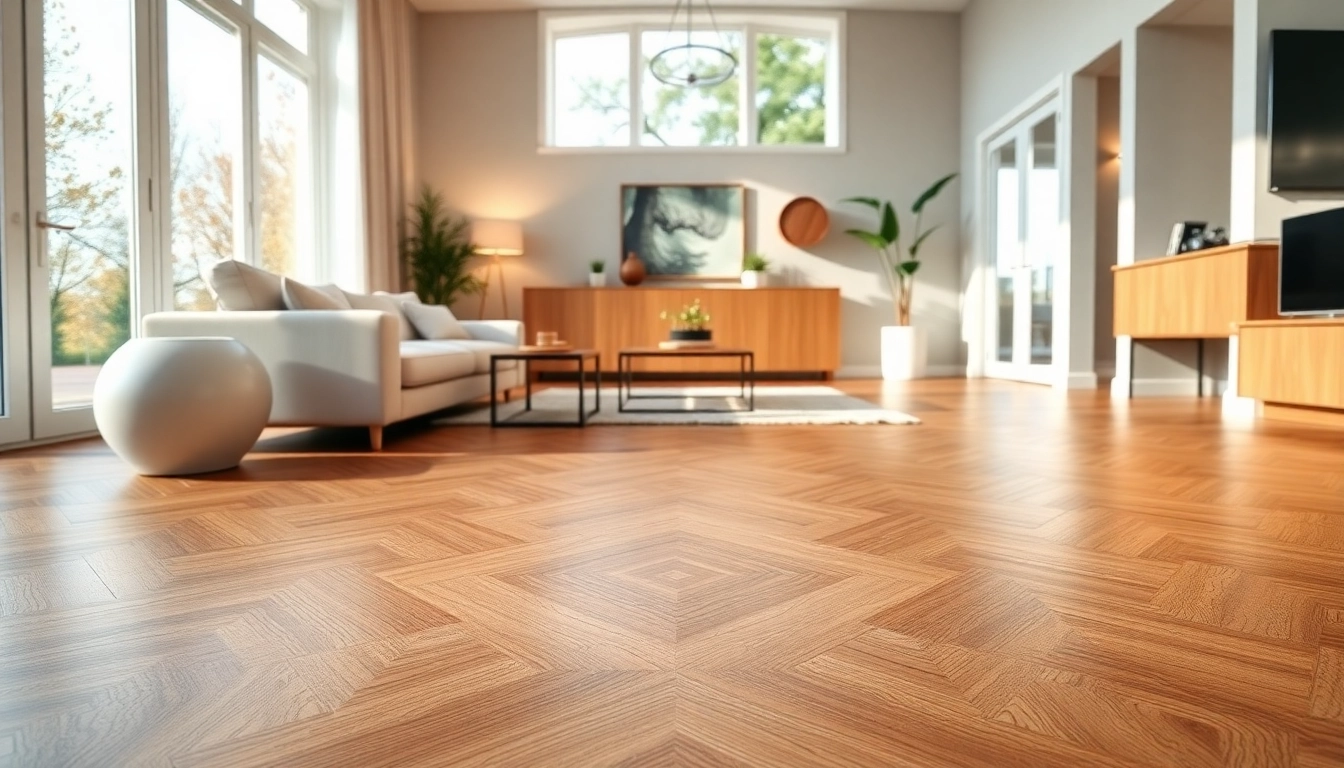
Understanding Vinyl Flooring Options
What is Vinyl Flooring?
Vinyl flooring is a synthetic flooring material composed of polyvinyl chloride (PVC) along with other compounds. It is designed to mimic the appearance of natural materials such as wood, stone, or tiles while offering enhanced durability and water resistance. Vinyl flooring has become a popular choice for various residential and commercial spaces thanks to its versatility and affordability. From kitchens to living rooms, its aesthetic appeal and practical benefits make it a sought-after option for homeowners looking to enhance their interiors. For those interested in exploring various designs, check out the range of vinyl flooring options available.
Benefits of Vinyl Flooring
One of the primary benefits of vinyl flooring is its resilience. Unlike hardwood or laminate, vinyl is water-resistant, making it an ideal choice for areas prone to spills or humidity, such as bathrooms and kitchens. Additionally, vinyl flooring is less susceptible to scratches and dents, making it a durable option for high-traffic areas. Other notable advantages include:
- Affordability: Vinyl flooring is often more affordable than traditional flooring options, providing a cost-effective solution for home improvement.
- Easy Installation: Many vinyl flooring options are designed for simple installation, including peel-and-stick formats that require no glue or additional adhesives.
- Variety of Designs: Vinyl flooring comes in a wide range of colors, patterns, and styles, allowing homeowners to find the perfect match for their decor.
- Comfort: Vinyl flooring is softer underfoot compared to harder surfaces like tile, providing additional comfort for those who spend long hours standing.
Types of Vinyl Flooring Available
Vinyl flooring can be broadly categorized into three main types:
- Vinyl Plank Flooring: Designed to resemble hardwood planks, it offers a stunning aesthetic along with durability.
- Vinyl Tile Flooring: Mimicking the look of ceramic or stone tiles, this type is often used in kitchens and bathrooms.
- Sheet Vinyl Flooring: A large, continuous sheet of vinyl that can be installed in high-moisture areas effectively while minimizing seams.
Choosing the Right Vinyl Flooring for Your Home
Factors to Consider When Selecting Vinyl Flooring
When choosing vinyl flooring, consider factors like the intended room use, existing interior style, and foot traffic levels. For example, high-traffic areas may benefit from thicker, more durable planks, whereas low-traffic rooms might allow for more aesthetic-focused selections. The comfort of the flooring is also essential; thicker vinyl may provide cushioning that improves comfort for daily activities.
Color and Design Trends in Vinyl Flooring
Design trends in vinyl flooring have shifted significantly over the years. Currently, natural wood looks in a variety of shades are highly favored, including distressed and reclaimed wood finishes. Additionally, stone looks, particularly those resembling marble or slate, are gaining momentum. Color trends indicate a movement towards neutral tones that can seamlessly integrate into a variety of design themes, from minimalist to eclectic.
Durability and Longevity of Vinyl Flooring
Vinyl flooring is designed to last, with an expected lifespan of up to 20 years or more, depending on the quality and maintenance. High-quality vinyl products often feature protective topcoats that resist scratching and fading, enhancing their durability. The longevity also depends on the installation method; professionally installed vinyl tends to achieve better performance than do-it-yourself approaches if not done properly.
Installation Process for Vinyl Flooring
Preparing Your Space for Installation
Before installation begins, ensure that the subfloor is clean, dry, and free of any debris or imperfections. It's crucial to remove any existing flooring to achieve a level surface and prevent unwanted wear on the new vinyl. In some cases, moisture barriers may be necessary, particularly in basements or high-moisture areas.
Step-by-Step Guide to Installing Vinyl Flooring
The installation of vinyl flooring can be straightforward, particularly with click-lock or peel-and-stick options:
- Measure the Area: Accurately measure the space where vinyl will be installed to determine how much material is needed.
- Lay Out the Vinyl: Before adhering or clicking the pieces together, lay them out to understand how they will fit in the designated space.
- Secure the Vinyl: Follow the manufacturer's instructions for either gluing down the vinyl, locking the planks together, or adhering the sheets.
- Trim Edges: Using a utility knife, trim any excess vinyl at the edges for a seamless finish.
Post-Installation Care Tips
After installation, allow the flooring to acclimate to the room temperature for at least 48 hours before heavy use. Light cleaning is recommended to remove dust or debris left from installation. Avoid using harsh chemicals during this period and follow the manufacturer's recommendations for the best results.
Maintaining Your Vinyl Flooring
Daily Cleaning Practices
Regular cleaning of vinyl flooring is essential to maintain its appearance and durability. A routine includes sweeping or vacuuming to remove loose dirt and debris. For deeper cleaning, a damp mop with a vinyl-safe cleaner can help maintain shine and remove stubborn stains. Avoid using abrasive tools that might scratch the surface.
Dealing with Stains and Damage
Accidental spills or stains can occur, but prompt action can minimize damage. For basic stains, warm, soapy water often suffices. For more stubborn stains, a specialized vinyl floor cleaner may be required. It's important to avoid chemical solvents that can damage the finish. If a piece of vinyl is damaged, it can typically be replaced without affecting the surrounding areas.
Long-Term Care Solutions for Vinyl Flooring
To prolong the life of your vinyl flooring, consider applying a protective sealant every few years. This not only enhances the surface's resistance to scratches and dents but also revitalizes its appearance. Additionally, placing area rugs in high-traffic zones can help distribute foot traffic and reduce wear on the floor.
Frequently Asked Questions about Vinyl Flooring
How do I install vinyl flooring myself?
Installing vinyl flooring can be done by measuring the area, cleaning the subfloor, and securing the vinyl using click-lock or adhesive methods, following manufacturer guidelines.
Is vinyl flooring waterproof?
Many types of vinyl flooring are waterproof or highly water-resistant, making them suitable for bathrooms and kitchens. Always check specific product details for confirmation.
Can vinyl flooring be installed over existing floors?
Yes, vinyl flooring can often be installed over existing floors like tile or hardwood, but ensure the surface is clean, level, and free from moisture.
What is the lifespan of vinyl flooring?
Vinyl flooring typically lasts between 10 to 20 years or more, depending on the quality of the product and the level of foot traffic in the area.
How do I clean vinyl flooring effectively?
Use a broom or vacuum for daily cleaning and a damp mop with a vinyl-friendly cleaner for deeper cleans to maintain your flooring's appearance.