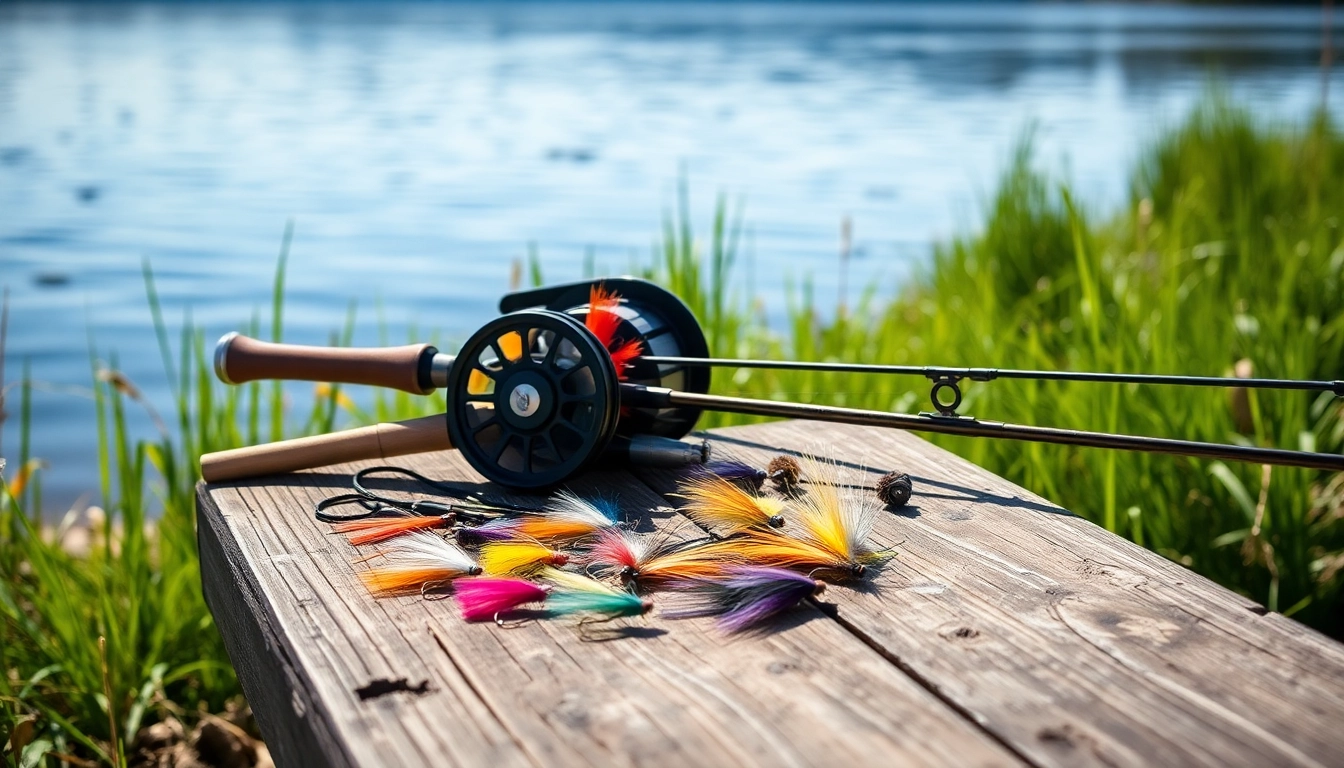
1. Understanding the Components of a Fly Fishing Kit
When it comes to fly fishing, having the right gear can make all the difference between a pleasant day on the water and an exercise in frustration. A comprehensive fly fishing kit is essential for both beginners and seasoned anglers alike. This guide will delve into the various components of a fly fishing kit, including must-have items, how to select the perfect rod and reel, and tips for maintaining your gear to ensure a successful outing.
1.1 Key Items Every Fly Fishing Kit Should Include
Before you head out to the river or lake, ensure your fly fishing kit contains the following key items:
- Fly Rod: The most crucial piece of equipment. Rods come in various lengths and actions, suitability varies based on the type of water and fish.
- Fly Reel: This helps in retrieving the line and playing fish. A quality reel can make a significant difference in your experience.
- Fly Line: Essential for casting, it comes in different weights and types for various fishing conditions.
- Leader and Tippet: These are the final sections of line that connect your fly to the main line, crucial for reducing visibility to fish.
- Flies: A range of artificial flies mimicking local insects or bait fish is necessary for attracting different species.
- Backing: A lightweight line that provides extra line capacity on your reel.
- Net: For safely landing your catch without harming it.
- Forceps and Nippers: Essential for hook removal and trimming line.
- Fly Box: Keeps your flies organized and protected.
1.2 Selecting the Right Fishing Rod and Reel
The selection of a fly rod and reel is a personal one, contingent on the type of fish you aim to catch and your fishing environment. Consider the following factors:
- Rod Length: Often measured in feet, longer rods provide greater casting distance but can be cumbersome, while shorter rods allow for more precision in tight spaces.
- Action: This refers to how much of the rod bends during casting. Fast action rods bend primarily at the top, while slow action rods bend more throughout the length.
- Reel Size: Match the reel size with the line weight. A properly sized reel balances the rod for optimal handling.
1.3 Importance of Fly Selection and Storage
Fly selection is often the deciding factor in fishing success. Consider local insect hatches and adjust your flies accordingly. Here are some tips for effective fly selection:
- Research Local Hatches: Understand what fish in your area are feeding on, and choose flies that match these patterns.
- Seasonal Variations: Different species may prefer different flies throughout the seasons, so adapt your kit accordingly.
Moreover, keeping your flies in a functional fly box organized by type and size can save you precious time on the water. Consider features such as waterproofing and easy-to-open compartments.
2. Where to Buy a Quality Fly Fishing Kit
Choosing where to purchase your fly fishing kit can greatly influence the quality of your gear. This section evaluates the merits of local versus online retailers, enabling you to make an informed decision.
2.1 Local Versus Online Retailers
Local tackle shops offer several advantages, including:
- Personal Interaction: You can receive guidance from knowledgeable staff members.
- Hands-On Testing: Local shops allow you to handle gear before purchasing, helping you make informed choices.
- Community Connection: Building relationships with other anglers can enhance your fishing experience.
On the other hand, online retailers can provide a wider selection and often at better prices. Look for websites with return policies and customer service support, ensuring you have recourse if your gear doesn’t meet expectations.
2.2 Comparing Prices and Quality
Price does not always equate to quality. It's essential to compare products effectively:
- Research Brands: Some brands are known for reliability and performance. Read reviews and ask fellow anglers for recommendations.
- Cost-Benefit Analysis: Spending a bit more on durable equipment can save money in the long run due to fewer replacements.
Investing in higher-quality components, particularly rods and reels, can enhance your fishing experience significantly.
2.3 Researching Customer Reviews and Ratings
Before making a purchase, always check customer feedback. Websites often feature reviews from other anglers that highlight the pros and cons of particular products. Pay attention to:
- Longevity: Understand if the products hold up over time.
- Performance: Look for detailed reports on performance in specific environments.
Utilizing customer reviews can guide you to make better-informed decisions and avoid common pitfalls.
3. Tips for Assembling Your Fly Fishing Kit
Once you've gathered an adequate understanding of the components of your fly fishing kit, the next step is to assemble it tailored to your fishing style and location. Here are some valuable tips:
3.1 Customizing Your Kit for Local Waters
Every water body is unique and may call for different equipment or flies:
- Research Waters: Check fish species present in your targeted areas, as well as the local insect life.
- Create a Versatile Fly Selection: Carry a variety of nymphs, dry flies, and streamers suited for local fishing conditions.
- Tailor Rod Selection: Adjust rod length and weight based on your fishing environment—stream rods will be shorter, while lake rods may be longer.
3.2 Essential Add-Ons to Enhance Your Experience
Beyond the basic components of your fly fishing kit, consider including these essential add-ons to elevate your experience:
- A Fishing Vest: Provides storage for flies and tools, keeping your hands free.
- Polarized Sunglasses: Protect your eyes and allow you to see beneath the surface of the water.
- Waterproof Pack: Keeps your gear safe from moisture and easy to transport.
- First Aid Kit: Important for addressing small injuries while outdoors.
3.3 Organizing Your Gear for Easy Access
Efficient organization can significantly improve your fishing strategy. Implement the following methods:
- Use a Tackle Tray: Organize flies and tools in designated areas for quick access.
- Pockets and Compartments: Make the most of your vest or pack by using all available compartments wisely.
- Checklists: Create a checklist for packing and ensure you have everything you need before embarking on your fishing trips.
4. Fly Fishing Techniques and Best Practices
Knowledge of effective fly fishing techniques is critical to ensure success. This section will elaborate on essential techniques for both beginners and advanced anglers.
4.1 Basic Casting Techniques for Beginners
For newcomers, mastering basic casting techniques is crucial:
- Backcasting: This is the initial phase where the fly line is swung back to gain momentum. Practice in wide-open spaces to avoid snags.
- Forward Cast: Once the line is back, a forward motion propels the line forward to present the fly.
- Roll Cast: Useful in tight spaces where traditional back casting isn’t feasible, it allows you to pull the line off the water and cast in one smooth motion.
4.2 Advanced Techniques for Experienced Anglers
Once the basics are mastered, experienced anglers can employ more sophisticated techniques:
- Double Haul: This casting technique allows for longer casts by using a pulling motion on the line during both the back and forward casts.
- Accurate Presentations: Learn to place flies accurately, mimicking the movement and behavior of natural insects on the water.
- Stripping Techniques: When fishing with streamers, mastering the right strips or jerks enhances your chances of enticing a strike.
4.3 Environmentally Responsible Fishing
Practicing environmentally responsible fishing is essential for preserving aquatic ecosystems:
- Catch and Release: Use barbless hooks and carefully handle fish to increase their chances of survival post-catch.
- Respect Wildlife: Avoid damaging habitats and only access areas designed for fishing.
- Leave No Trace: Dispose of waste properly and adhere to local fishing regulations to protect water bodies.
5. Maintaining and Caring for Your Fly Fishing Kit
Proper maintenance can extend the life of your gear and improve performance. Here’s how to care for your fly fishing kit effectively:
5.1 Cleaning and Storing Your Equipment
After a day on the water, it's crucial to clean your equipment:
- Wash Your Rod and Reel: Rinse with fresh water to remove salt, dirt, or debris, especially after saltwater fishing.
- Dry Thoroughly: Ensure everything is dry to prevent corrosion and mildew.
Store your gear in a cool, dry place, avoiding direct sunlight to prevent materials from deteriorating.
5.2 Seasonal Checks and Upkeep
Taking care of your gear seasonally can prevent future issues:
- Check Line for Damage: A frayed fishing line can lead to losses; replace if necessary.
- Inspect Rod Guides: Ensure they're clean and free of cracks as they guide the line during casting.
5.3 When to Replace Key Components of Your Kit
Knowing when to replace components is crucial to maintaining performance:
- Rods and Reels: If they show significant wear or breakage, it may be time to invest in a new model.
- Flies: Regularly inspect your flies; if they’re damaged, they will not perform as intended.
- Lines: Change your fly lines depending on usage; lines degrade over time due to wear and UV exposure.
Assembling and maintaining a fly fishing kit may seem daunting, but by understanding your equipment and regularly checking your gear, you can ensure a successful and enjoyable experience on the water. Remember, the essence of fly fishing lies not only in the catch but also in the beauty and tranquility of the experience itself.