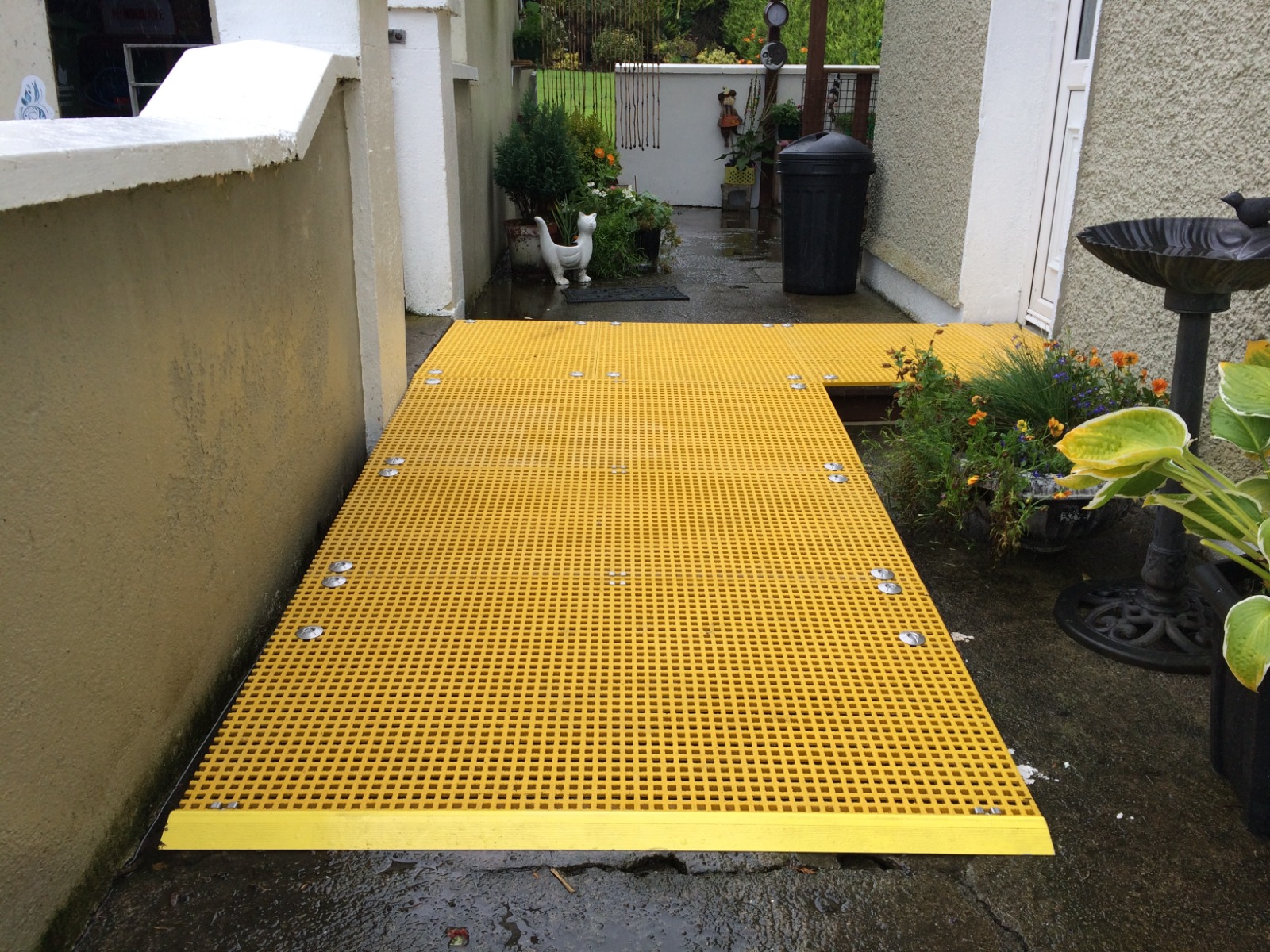
Introduction
In industries where durability, corrosion resistance, and safety are essential, GRP Grating has emerged as a leading material solution. Whether used in offshore platforms, wastewater treatment facilities, chemical plants, or public infrastructure, GRP Grating consistently proves its ability to enhance structural performance in environments that traditional materials struggle to withstand. This article explores how GRP Grating improves structural integrity in harsh conditions, why it has become a preferred choice among engineers, and how its unique properties deliver longevity and reliability.
What Makes GRP Grating a High-Performance Material?
GRP Grating—also known as Glass Reinforced Plastic grating—is manufactured by combining fiberglass with thermosetting resins. This composite structure results in a lightweight yet extremely strong material that performs exceptionally well in demanding applications.
Composite Strength
The blend of fiberglass and resin creates a high-strength lattice structure. This contributes to the exceptional load-bearing capacity of GRP Grating, making it suitable for heavy-duty walkways, industrial platforms, and maintenance decks.
Resistance to Corrosion
Unlike metal grating, GRP Grating is inherently resistant to chemical and environmental corrosion. This resistance allows it to remain structurally sound even when exposed to salts, acids, oils, and moisture.
Longevity and Low Maintenance
GRP Grating requires minimal upkeep. It does not rust, warp, or deteriorate easily, which reduces maintenance demands and extends the lifespan of installations significantly.
How GRP Grating Enhances Structural Integrity in Harsh Conditions
Harsh conditions—whether environmental, chemical, or mechanical—can quickly degrade inferior construction materials. The unique properties of GRP Grating enable structures to remain stable, safe, and resilient despite exposure to aggressive environments.
GRP Grating in Chemical and Industrial Environments
Superior Chemical Resistance
Chemical processing plants are notorious for their harsh working conditions. GRP Grating maintains integrity even when continuously exposed to corrosive liquids and vapors. Its surface does not react with most chemicals, making it a dependable choice for processing areas, spill zones, and storage facilities.
Non-Conductive Safety Benefits
In electrical or high-voltage environments, GRP Grating is significantly safer than steel alternatives. Its non-conductive nature helps mitigate electrical risks, ensuring safer working conditions for personnel.
GRP Grating in Marine and Offshore Applications
Saltwater Resistance
Offshore platforms, ship decks, and marinas face constant exposure to saltwater. Traditional metal materials corrode rapidly in such environments. GRP Grating, however, offers exceptional saltwater resistance, ensuring structures remain strong and unaffected by prolonged exposure.
UV Stability
Marine environments also bring high levels of ultraviolet radiation. GRP Grating is engineered with UV inhibitors that prevent degradation, fading, or weakening over time.
GRP Grating in Water and Wastewater Facilities
Moisture-Proof Performance
Wastewater facilities operate in constantly wet, humid conditions. GRP Grating remains durable even with continuous moisture exposure, preventing rot, swelling, and deterioration.
Improved Worker Safety
Slippery surfaces are a major hazard in water facilities. GRP Grating often comes with anti-slip textures that significantly enhance traction, helping prevent workplace accidents.
GRP Grating for Transportation and Public Infrastructure
High Load-Bearing Capacity
Bridges, walkways, platforms, and drainage systems often require materials that can handle both heavy loads and continuous public use. GRP Grating provides excellent strength-to-weight ratios, making it a reliable choice in these applications.
Lightweight Installation Advantages
Infrastructure projects often demand rapid installation to reduce downtime. GRP Grating is much lighter than metal or concrete alternatives, allowing for easier transport, faster installation, and reduced labor costs.
Key Structural Advantages of GRP Grating
Excellent Strength-to-Weight Ratio
Despite being significantly lighter than steel, GRP Grating provides high mechanical strength. This advantage not only simplifies installation but reduces stress on the underlying supporting structure.
Dimensional Stability
Harsh temperature fluctuations can cause many materials to expand or contract excessively. GRP Grating maintains dimensional stability even when exposed to extreme heat or cold, making it suitable for diverse climates.
Superior Impact Resistance
In industrial environments where tools, machinery, or heavy equipment may impact floor surfaces, GRP Grating can absorb shock and resist damage more effectively than many metallic materials.
Types of GRP Grating and Their Structural Roles
Molded GRP Grating
Molded GRP Grating is manufactured in one-piece panels, delivering uniform strength in all directions. It is widely used in chemical plants and marine environments due to its excellent corrosion resistance.
Pultruded GRP Grating
Pultruded GRP Grating consists of continuous fiberglass strands pulled through a resin bath and shaped into bars. This type offers superior load-bearing properties and is ideal for heavy-duty industrial applications.
Why GRP Grating Performs Better Than Traditional Materials
Versus Steel
Steel is strong but prone to corrosion. Even galvanized coatings eventually deteriorate in harsh environments. GRP Grating delivers comparable strength without the risk of rust, reducing long-term repair and replacement costs.
Versus Aluminum
Aluminum is lightweight but less durable in chemically harsh conditions. GRP Grating outperforms aluminum when exposed to industrial chemicals, moisture, and salts.
Versus Wood
Wood is cost-effective but vulnerable to rot, moisture absorption, and insect damage. GRP Grating offers a far longer lifespan and requires virtually no maintenance in comparison.
Enhancing Safety with GRP Grating
Superior Slip Resistance
Many industrial accidents occur due to slippery surfaces. GRP Grating can be designed with anti-slip finishes that significantly enhance traction, even when oily or wet.
Fire Resistance
Special fire-retardant resins can be used in the manufacturing of GRP Grating, making it safer for use in hazardous facilities where fire risks are present.
Ergonomic Comfort
Walking on steel grating for long periods can be uncomfortable. GRP Grating, on the other hand, has a slightly flexible structure that improves comfort and reduces fatigue for workers.
Applications Where GRP Grating Excels
Industrial Walkways and Catwalks
These areas demand strong and reliable flooring. GRP Grating provides durability and safety, even in the presence of chemicals, heavy loads, or frequent foot traffic.
Offshore Rigs
GRP Grating is ideal for corrosive offshore environments where salt spray, humidity, and UV exposure are constant challenges.
Cooling Towers
High moisture and chemical exposure in cooling towers make traditional grating materials vulnerable. GRP Grating performs exceptionally well under these conditions.
Wastewater Treatment Plants
Thanks to its moisture and chemical resistance, GRP Grating offers long-lasting structural integrity in wastewater facilities.
Rail and Transport Infrastructure
Platforms, trench covers, and pedestrian overpasses benefit from the strong, lightweight nature of GRP Grating.
Environmental Advantages of GRP Grating
Reduced Carbon Footprint
Because GRP Grating lasts significantly longer and requires less maintenance, it reduces material waste and replacement cycles.
Energy-Efficient Manufacturing
The production of GRP Grating consumes less energy compared to steel manufacturing, contributing to environmentally conscious construction practices.
100% Recyclable Material
Many forms of GRP Grating can be recycled, further supporting sustainable building efforts.
Making the Right Choice for Harsh Environments
Choosing the right type of grating can dramatically influence the safety, durability, and overall performance of a structure. For environments where corrosion, moisture, chemicals, or heavy loads are present, GRP Grating consistently proves to be the superior option. Its unique composition and advanced engineering make it an essential component in modern industrial and infrastructural design.
Conclusion
GRP Grating has transformed the way industries approach construction in harsh environments. Its resistance to corrosion, exceptional strength, lightweight structure, and superior longevity make it the ideal solution for applications ranging from offshore platforms to wastewater treatment plants. By integrating GRP Grating into structural designs, engineers can ensure safer, more durable, and maintenance-efficient operations. As industries continue to evolve, GRP Grating stands out as a future-ready material that delivers unmatched structural integrity in even the most demanding conditions.