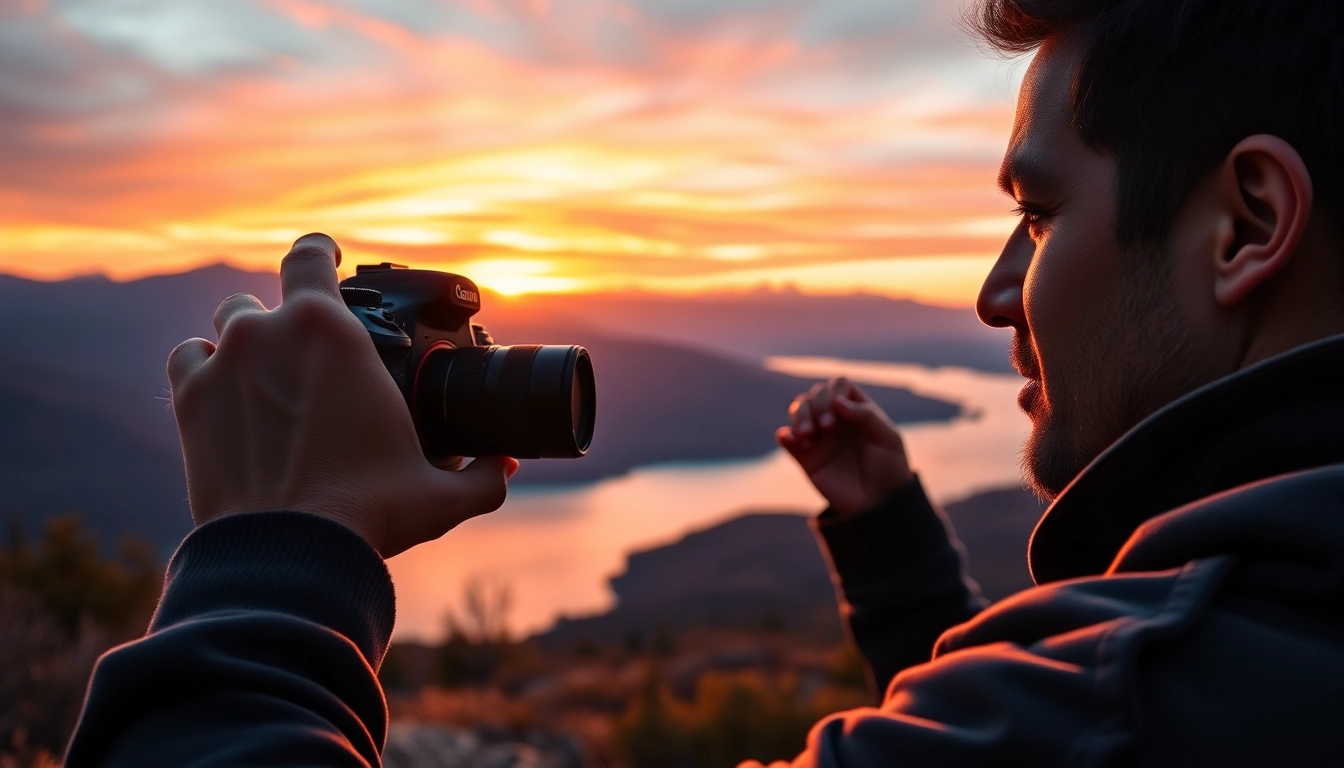
The Benefits of Online Photography Courses
Flexibility and Accessibility
One of the most significant advantages of online photography courses is the sheer flexibility they offer. Unlike traditional classroom settings, these courses allow learners to study at their own pace while fitting coursework into their busy schedules. Casual photographers can decide when and how much time they want to devote to learning, making it easier to integrate education into everyday life. In addition, online courses are accessible to anyone with an internet connection, removing geographical barriers that might limit learning opportunities.
Diverse Learning Styles Suitability
Every learner has a unique style, and online photography courses cater to various preferences. Whether you’re a visual learner who thrives on video tutorials or someone who prefers text-based lessons, online programs often offer a combination of formats. Interactive elements such as forums, quizzes, and assignments help keep learners engaged and closely mirror traditional learning environments, all while allowing students to interact with peers and instructors in a meaningful way.
Cost-Effectiveness vs. Traditional Education
When comparing costs, online photography courses often come out on top. Traditional photography programs can incur hefty tuition fees, alongside costs for travel and materials. In contrast, many online courses are accessible at a fraction of the cost, offering quality instruction without the financial stress. Additionally, some platforms provide free resources and introductory courses, making it even easier for budding photographers to dive into the craft without breaking the bank.
Choosing the Right Online Photography Courses
Understanding Your Goals
As you embark on the journey of selecting an online photography course, understanding your goals is crucial. Are you looking to develop a specific skill, such as portrait photography, or do you want a comprehensive overview of the craft? Setting clear learning objectives will help narrow down your options and ensure that the course content aligns with your aspirations, ultimately leading to a more fulfilling learning experience.
Evaluating Course Content and Structure
Not all online photography courses are created equal, so it’s essential to assess the course content and structure before enrolling. Look for courses that provide detailed syllabi, outlining topics covered and assignments required. Pay attention to how the course balances theoretical knowledge and practical application. A well-structured course should seamlessly integrate lessons with hands-on projects that allow you to apply what you’ve learned in realistic scenarios.
Reading Reviews and Recommendations
Before committing to a course, take the time to read reviews and gather recommendations. Platforms that allow for user-generated feedback can be invaluable sources of information. Look for testimonials from past participants that provide insights into the course quality, instructor engagement, and overall experience. Word-of-mouth recommendations from fellow photography enthusiasts can also help steer you towards reputable programs.
Essential Techniques Covered in Online Photography Courses
Mastering Composition
Composition is the cornerstone of successful photography, and online photography courses often dedicate substantial time to this vital aspect. Learning about the rule of thirds, leading lines, symmetry, and framing techniques can radically improve the way you see and capture your subjects. Courses typically offer hands-on exercises that challenge students to practice composition in various contexts, fostering an instinctive understanding that will flourish over time.
Lighting Techniques for Stunning Shots
Lighting can make or break a photograph. Consequently, online photography courses emphasize mastering light—both natural and artificial. Each course may include modules on using natural light effectively, understanding the qualities of light at different times of day, and manipulating studio lighting to achieve desired results. By focusing on light, students gain the skills needed to create visually compelling images regardless of the setting.
Post-Processing Basics
In today’s digital landscape, post-processing has become a crucial skill for photographers. Online courses often provide modules on post-processing basics using popular software tools such as Adobe Lightroom and Photoshop. Students learn how to enhance their images, adjust colors, and fix mistakes—all while developing a personal editing style. This foundational understanding of editing is essential, as it allows photographers to refine their work and produce polished final results.
Advanced Learning Opportunities in Online Photography Courses
Specializations: Portrait, Landscape, and More
For those looking to delve deeper into their photography skills, online courses often offer advanced specialization options. Students can choose paths focused on portrait photography, landscape photography, wildlife photography, and various other niches. These specialized courses cater to specific interests and often feature expert instructors who bring extensive experience and insights, enhancing the learning process and fostering a deeper understanding of the art.
Engaging with Professional Photographers
Many online photography courses incorporate opportunities for direct engagement with professional photographers. This interaction may occur through live Q&A sessions, workshops, or critique sessions. Learning from the experiences and portfolio reviews of established photographers can provide budding artists not only with inspiration but also with practical advice and industry insights that can be pivotal to their growth.
Certifications and Career Advancement
While not every photographer aims for a formal career path, obtaining certifications from reputable online photography courses can set you apart in competitive job markets. Certifications can enhance your credibility and demonstrate to potential clients or employers that you possess verified skills and knowledge. Many career-focused online courses also offer career support services, such as resume building and job placement assistance, further facilitating your professional growth.
FAQs About Online Photography Courses
What equipment do I need for online photography courses?
Participants generally need a camera, preferably DSLR or mirrorless, and editing software. A tripod and external flash can also enhance your learning experience.
How long do online photography courses typically last?
Course duration varies; many last from a few weeks to several months, depending on content and depth. It’s crucial to check each course’s schedule for specifics.
Are online photography courses suitable for beginners?
Yes, many online photography courses cater specifically to beginners, offering fundamental skills while gradually introducing more advanced techniques for a well-rounded education.
Can I interact with instructors?
Most online courses provide forums or live Q&A sessions for direct instructor interaction. This fosters communication and allows for tailored learning experiences based on questions.
Will I receive a certification upon completion?
Many online photography courses offer certificates, which can enhance your profile or resume. Ensure to verify the course’s certification policies before enrolling.