Understanding Land Irrigation
What is Land Irrigation?
Land irrigation refers to the controlled application of water to soil in order to assist in the growth of agricultural crops, maintenance of landscapes, and revegetation of disturbed soils. Water is distributed through various methods, such as surface flooding or utilizing technology like drip irrigation systems. Properly managed land irrigation is crucial for maximizing agricultural productivity and ensuring the sustainability of water resources.
Importance of Land Irrigation in Agriculture
Land irrigation plays a pivotal role in modern agriculture, especially in regions where rainfall is insufficient for crop production. The significance of effective land irrigation cannot be overstated, as it directly affects crop yields and food security. With changing climate conditions and increasing water scarcity, efficient irrigation systems help in optimizing water usage, thus conserving this precious resource while ensuring that crops receive adequate nourishment for growth.
Types of Land Irrigation Systems
There are several types of land irrigation systems employed based on crop type, geographical features, and local water resources:
- Surface Irrigation: Water is applied directly to the soil surface and allowed to flow across the field. This is a traditional method effective for many crops, although it can be prone to inefficiency due to evaporation and runoff.
- Drip Irrigation: This method involves delivering water directly to the root zone of the plant through a network of tubing and emitters. It conserves water and can enhance crop yields by minimizing water stress.
- Sprinkler Irrigation: Water is sprayed onto the crops through a system of pipes and pumps, resembling natural rainfall. This method can be adapted to various terrains but may require more energy and investment.
Assessing Soil and Crop Needs
Evaluating Soil Moisture Levels
Understanding the moisture levels in soil is essential for effective irrigation. Farmers can employ various methods to assess soil moisture, including feel tests, time-domain reflectometry (TDR), and tensiometers. By determining the moisture content, farmers can make informed decisions about when to irrigate and how much water to apply, reducing waste and improving crop health.
Crop-Specific Irrigation Requirements
Different crops have unique water needs based on their species, growth stages, and environmental conditions. For instance, deep-rooted crops may require less frequent irrigation but more substantial water amounts per application, whereas shallow-rooted crops may need lighter, more frequent watering. Understanding these requirements is pivotal in creating an efficient irrigation schedule that maximizes yields.
Seasonal Variations in Irrigation Needs
Seasonal changes significantly affect irrigation needs. During the growing season, crops typically require more water due to higher temperatures and increased evapotranspiration rates. Conversely, during cooler months or dormant periods, less irrigation may be needed. Regularly monitoring climatic conditions and adjusting irrigation schedules accordingly ensures crops receive optimal water throughout their growth cycle.
Land Irrigation Techniques and Methods
Surface Irrigation Practices
Surface irrigation remains one of the most widely used irrigation methods worldwide. This technique harnesses gravity to move water across the field. While it is cost-effective and simple, it can lead to uneven distribution and wastage. Farmers can enhance surface irrigation through techniques such as furrow or basin irrigation to improve efficiency and reduce water runoff.
Drip Irrigation Advantages
Drip irrigation is rapidly gaining popularity due to its efficiency and ability to conserve water. This method targets the root zone of plants, significantly minimizing water loss through evaporation and runoff. Further advantages include reduced labor costs, the ability to apply fertilizers directly to the roots, and adaptability to various terrains and crops. Studies have shown that drip irrigation can increase yields by up to 30% in certain crops, making it an attractive investment.
Sprinkler Systems and Their Applications
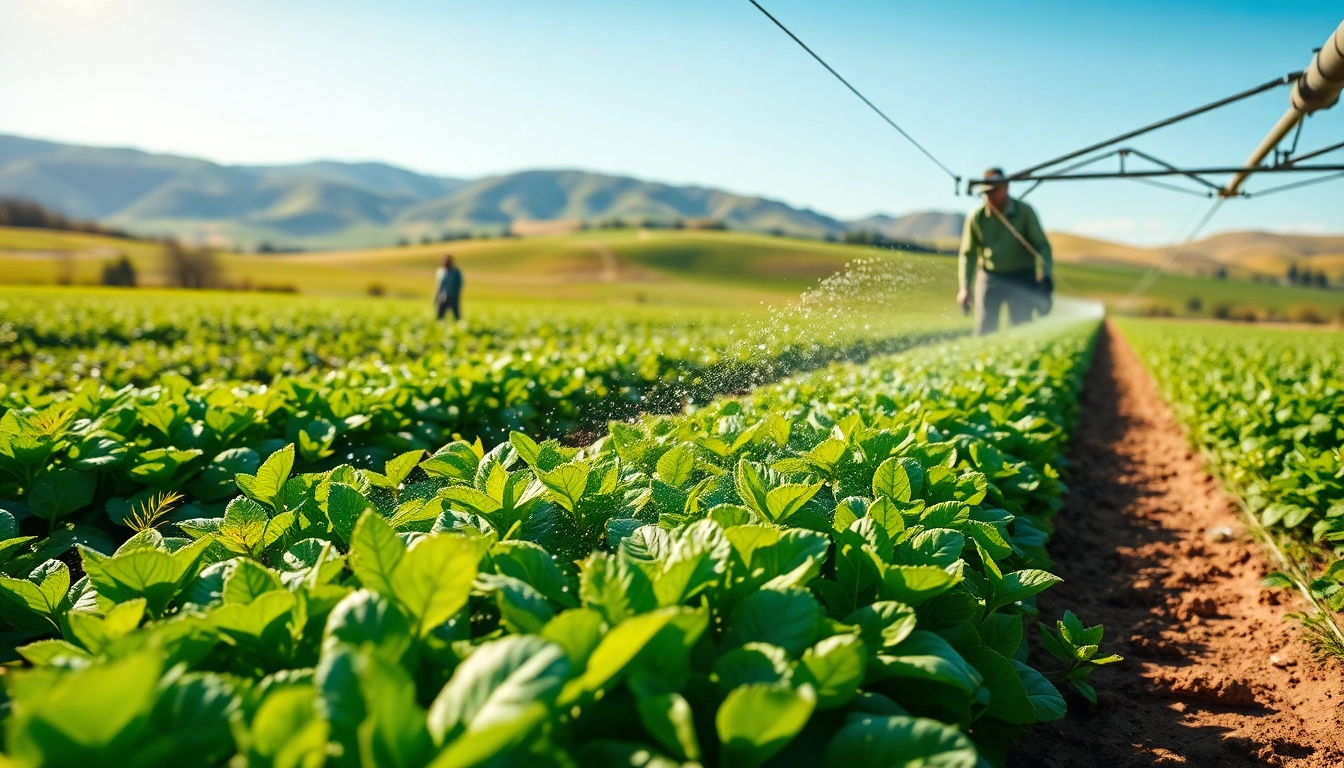
Sprinkler systems are versatile and can be customized for different agricultural settings and needs. They work well in uneven terrains and can be automated for precision in water delivery. However, energy consumption and initial costs can be high. Regular maintenance is crucial to prevent breakdowns and ensure optimal functionality. Farmers might opt for center pivot or lateral move systems, depending on the field shape and crop type.
Implementing Sustainable Land Irrigation
Water Conservation Strategies
As water scarcity becomes increasingly pressing, implementing strategies for water conservation in agricultural practices is essential. Some practical strategies include scheduling irrigation early in the morning or late afternoon to minimize evaporation, using mulch to retain soil moisture, and employing rainwater harvesting techniques. Additionally, adopting practices like crop rotation and cover cropping can improve soil health and water retention capacity.
Technological Innovations in Irrigation
Technology is transforming how farmers approach irrigation. The adoption of smart irrigation systems utilizing sensors, soil moisture monitors, and advanced data analytics helps farmers apply water more efficiently. Innovations such as automated irrigation controllers and mobile irrigation apps allow for real-time decision-making, enabling farmers to optimize their resources while minimizing waste.
Environmental Considerations in Irrigation
While land irrigation is crucial for agriculture, it is essential to consider its environmental impact. Over-irrigation can lead to soil salinity issues, waterlogging, and degradation of water quality. Farmers are encouraged to implement sustainable practices, such as using greywater systems and ensuring proper drainage to mitigate these effects while maintaining crop productivity.
Measuring Success in Land Irrigation
Performance Metrics for Irrigation Systems
To determine the success of irrigation practices, farmers must establish performance metrics, such as application efficiency, crop response, and water use efficiency. These metrics help in evaluating the effectiveness of irrigation systems, allowing adjustments to be made as needed. Regular monitoring and evaluation can contribute to enhanced agricultural productivity and resource sustainability.
Analyzing Crop Yield Impact
Understanding how irrigation impacts crop yields is critical for making informed decisions about water usage. Conducting yield performance evaluations can provide insights into the effectiveness of different irrigation methods. Factors such as plant health, soil conditions, and environmental influences should all be analyzed to assess the correlation between irrigation practices and crop productivity.
Adjusting Practices for Optimal Results
Continuous improvement is key to successful irrigation practices. Farmers should be prepared to adjust their methods based on a variety of factors, including changing weather patterns, emerging technologies, and evolving crop needs. By regularly reviewing and refining their approaches, they can ensure that their land irrigation strategies remain effective and sustainable over time.
Frequently Asked Questions
What are the main methods of land irrigation?
The primary methods include surface irrigation, drip irrigation, and sprinkler systems, each with its unique advantages and applications.
How does soil type affect irrigation needs?
Soil type influences water retention and drainage capabilities, requiring adjustments in irrigation frequency and volume based on soil texture and structure.
What technology can help optimize irrigation?
Smart irrigation systems using sensors, moisture monitors, and automated controllers can help optimize water usage and enhance efficiency in irrigation practices.
Is drip irrigation worth the investment?
Yes, drip irrigation can lead to significant water savings and increased crop yields, often making it a cost-effective long-term investment for farmers.
How can farmers conserve water in irrigation?
Farmers can conserve water by adopting efficient irrigation methods, using mulch, scheduling irrigation wisely, and employing rainwater harvesting techniques.