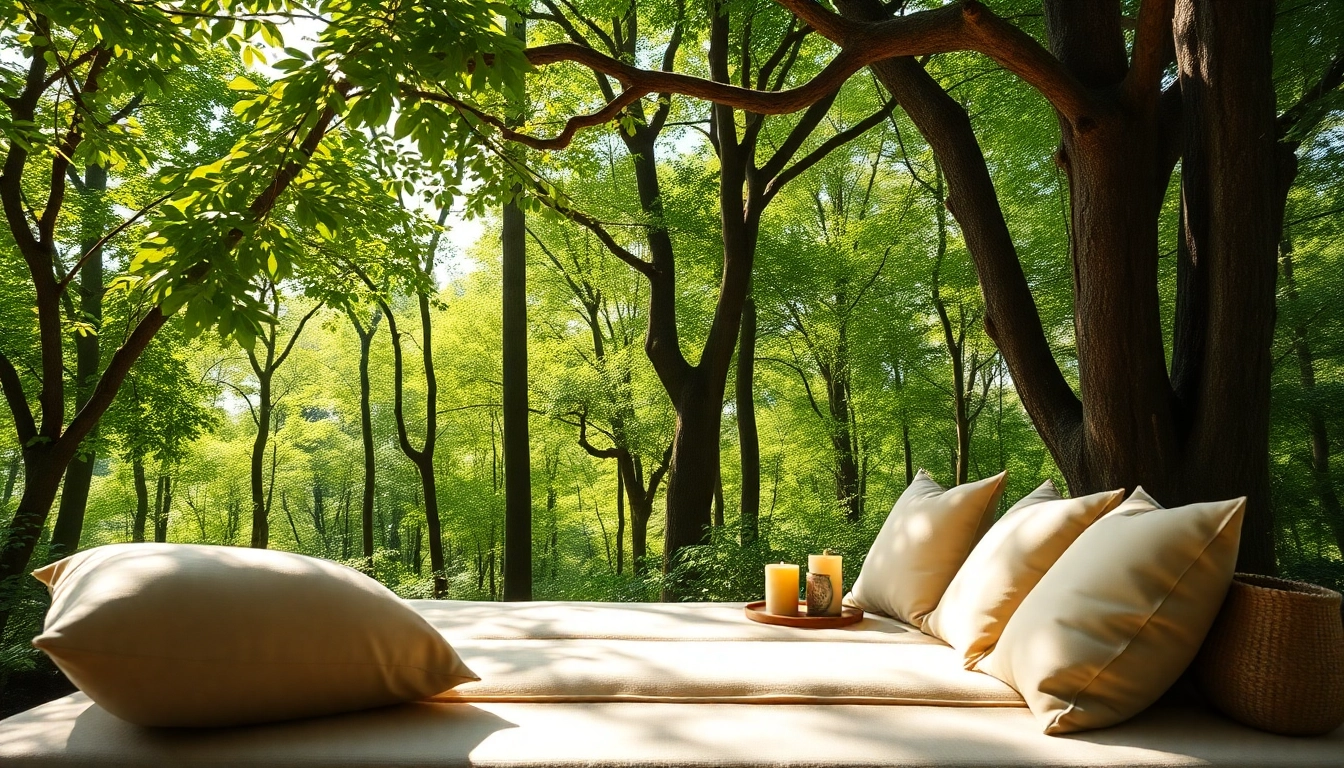
What to Expect from a Wellness Retreat
Introduction to Wellness Retreat
Imagine stepping away from the hustle and bustle of everyday life into a serene environment designed to rejuvenate your body, mind, and spirit. A wellness retreat is an immersive experience that seeks to enhance overall well-being through practices focused on relaxation, self-care, and personal growth. These retreats can vary greatly in style, from luxurious spa offerings to more holistic approaches rooted in mindfulness and spirituality.
Benefits of Attending a Wellness Retreat
Attending a wellness retreat provides numerous benefits that extend far beyond the duration of your stay. One of the most impactful advantages is the opportunity for deep relaxation. The setting fosters tranquility, allowing individuals to disconnect from daily stressors and engage in restorative practices, such as yoga or meditation.
Additionally, wellness retreats often include guided activities that promote both physical health and emotional resilience, including healthy cooking classes, nature hikes, and workshops on mindfulness. Such activities not only equip participants with new skills but also aid in forming lasting friendships with like-minded individuals.
Another significant benefit is the chance for self-reflection. Many individuals find that spending time away from their regular environment allows for introspection and a deeper understanding of personal goals, desires, and coping strategies for dealing with life's challenges. Furthermore, the supportive community present at these retreats can boost motivation and accountability in adopting healthier habits.
Common Activities Offered at Wellness Retreats
Wellness retreats typically offer a diverse range of activities tailored to enrich the visitor's experience. Common activities include:
- Yoga and Meditation: These practices help to center the mind, improve flexibility, and encourage mindfulness.
- Nutritional Workshops: Participants learn about healthy eating habits, meal planning, and cooking techniques to maintain wellness beyond the retreat.
- Nature Walks and Hikes: Connecting with nature has been shown to reduce stress and enhance mental clarity.
- Holistic Treatments: Many retreats offer massage therapy, acupuncture, and other healing modalities aimed at promoting physical wellness and relaxation.
- Group Discussions: These sessions allow participants to share their experiences, insights, and challenges in a supportive environment.
Choosing the Right Wellness Retreat
Location and Setting Considerations
The first step in choosing the right wellness retreat is considering the location and setting. Locations can greatly influence the overall ambiance and effectiveness of the retreat. Natural settings, such as mountains, beaches, or forests, tend to encourage peace and relaxation, allowing individuals to escape their daily stresses. Accessibility is also an important factor; consider travel time and whether you prefer a local retreat or a distant escape.
Types of Wellness Retreats
Wellness retreats come in various types, each catering to different needs and preferences. Knowing your objectives is key to selecting the right one. Popular types include:
- Yoga Retreats: Focused on yoga practices, these retreats usually include intensive sessions complemented by meditation and wellness workshops.
- Spa Retreats: Centered around pampering and relaxation, these retreats offer luxurious treatments designed to rejuvenate the body.
- Health and Nutrition Retreats: These programs focus on educating participants about healthy living and often include cooking classes and nutritional counseling.
- Detox Retreats: Aimed at cleansing the body, detox retreats feature specialized diets, juices, and holistic therapies.
- Spiritual Retreats: Focused on personal growth and spirituality, these retreats may incorporate meditation, group discussions, and self-reflection.
Budget and Accommodations
Another critical consideration when selecting a wellness retreat is your budget. Prices can vary widely based on location, amenities, and the length of stay. Research what is included in the package to avoid any surprises. Additionally, think about accommodation types—from shared dorms to luxurious private rooms—and choose what aligns best with your comfort and financial preferences.
Preparing for Your Wellness Retreat Experience
Packing Essentials for a Wellness Retreat
Effective packing can enhance your retreat experience. Essentials to bring include:
- Comfortable Clothing: Include yoga gear, swimwear, and items suitable for outdoor activities.
- Wellness Items: Any personal items such as supplements, skincare, or meditation tools your routine may require.
- A Journal: Use this for self-reflection, note-taking, and expressing your thoughts and experiences.
- Reusable Water Bottle: Stay hydrated while being eco-friendly.
- Personal Hygiene Items: Pack your usual toiletries for added comfort.
Mental Preparation Tips
Preparing mentally for a wellness retreat is just as important as packing. Approach the retreat with an open mind, ready to embrace new experiences and challenges. Set intentions about what you hope to achieve during your time away. Visualizing your goals can be a powerful motivator.
Setting Goals for the Retreat
Establish specific goals for what you want to accomplish at the retreat. Whether it's improving mental clarity, learning healthier habits, or reconnecting with nature, defining these can help steer your focus and make your experience more fulfilling. Write down your goals and keep them handy as a source of inspiration during the retreat.
During the Wellness Retreat: Maximizing Your Experience
Engaging in Activities
To make the most out of your wellness retreat, actively engage in the activities offered. Participate fully in classes, workshops, and any communal events. Embrace the chance to try something new, as it can lead to unexpected joys and insights.
Networking and Connecting with Others
Utilize the social aspect of retreats to create connections. Engage with fellow participants during meals, group activities, or downtime. Sharing experiences fosters community and can lead to lasting friendships. Consider exchanging contact information to support each other post-retreat.
Self-Reflection and Journaling
Making time for self-reflection is crucial during your retreat. Use journaling as a tool to process your thoughts and feelings throughout the experience. Writing down insights and breakthroughs can not only solidify your learning but also provide a cherished record to revisit later.
Post-Retreat: Integrating Experiences into Daily Life
Continuation of Wellness Practices
After returning from your retreat, it’s essential to integrate what you’ve learned into your daily life. This might mean committing to a regular yoga practice, adopting new dietary habits, or setting aside time for mindfulness. Create a realistic plan that fits your lifestyle, ensuring that the benefits of the retreat extend beyond just the experience itself.
Building a Support Network
A strong support network can be vital for sustaining wellness practices post-retreat. Stay connected with fellow participants via social media or in-person meetups. Additionally, consider joining local classes or online support groups that align with your wellness goals, further fostering a community that reinforces healthy habits.
Measuring the Impact of Your Retreat Experience
Reflect on the changes you've experienced since attending the retreat. Consider journal entries or insights gained from discussions with others. Tracking mental and physical shifts can be empowering and provide motivation to sustain your growth. Regularly revisit your goals and adjust them as you continue your wellness journey.
Frequently Asked Questions
What is a wellness retreat?
A wellness retreat is a focused experience intended to enhance physical and mental wellbeing through relaxation, mindfulness practices, and community.
How long do wellness retreats typically last?
Wellness retreats can vary in length, ranging from a weekend to several weeks, depending on the program and location.
What should I bring to a wellness retreat?
Pack comfortable clothing, personal wellness items, a journal, and materials for activities like yoga or meditation, as suggested by your retreat.
Can wellness retreats cater to specific needs?
Yes, many wellness retreats offer tailored programs for specific goals such as stress management, weight loss, or detoxification.
Are wellness retreats beneficial for everyone?
Wellness retreats can provide benefits for various individuals, but those looking for physical or mental rejuvenation will find them particularly useful.