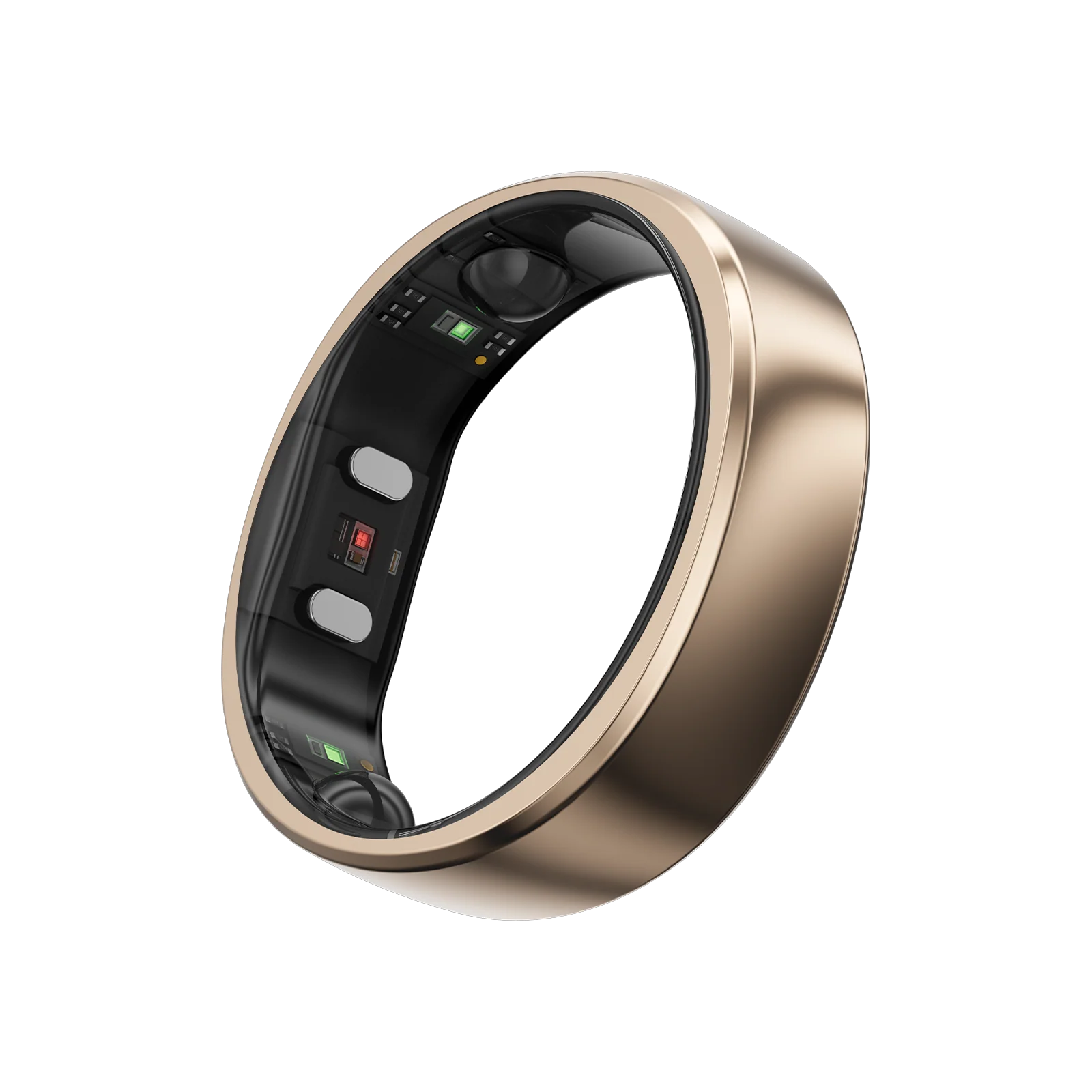
Choosing the right health wearable can feel overwhelming, especially with so many options promising accuracy, insights, and convenience. Among these devices, Ringconn has become a strong contender, offering advanced health tracking in a sleek ring design. To understand how it truly performs, it’s important to compare Ringconn with popular alternatives such as Oura, Fitbit, Garmin, and Apple Watch. This detailed comparison shows why Ringconn stands out for users who value precision, comfort, and meaningful health intelligence.
Why Ringconn Is Different From Traditional Wearables
Traditional wearables rely on wrist-based sensors, which often struggle with movement and inconsistent positioning. Ringconn, however, uses the finger — a location that provides stronger blood signal detection. This makes Ringconn far more accurate when tracking heart rate, HRV, sleep stages, and daily stress. While other brands deliver broader features like notifications or fitness apps, Ringconn focuses on deep health analytics without distractions.
Comfort and Daily Wearability
Ringconn’s Comfortable, Lightweight Design
The slim design of Ringconn makes it ideal for 24/7 wear. Its ultra-light structure blends seamlessly with daily activities, workouts, and sleep. Many users report forgetting they are even wearing Ringconn, which increases the accuracy of long-term tracking.
Competing Wearables
Apple Watch and Garmin are feature-packed but heavier on the wrist, which can interrupt sleep or intense workouts. Fitbit is lighter, but still not as unobtrusive as Ringconn. For all-day and all-night wear, Ringconn clearly provides superior comfort.
Winner: Ringconn
Health Tracking Accuracy: Who Leads?
HR & HRV Tracking
Ringconn excels in accuracy thanks to the finger’s strong pulse signal. HRV, a crucial indicator of stress and recovery, is more reliable through a ring than wrist sensors.
Wrist devices often face challenges during movement, making Ringconn the safer choice for consistent readings.
Sleep Tracking
Ringconn offers in-depth sleep stage analysis, including light, deep, and REM metrics. Its accuracy rivals or exceeds many premium wearables. Apple Watch does a good job but lacks the detailed physiological depth Ringconn provides.
Temperature & Recovery
Ringconn monitors temperature trends precisely — a key feature for early illness detection. While Oura also performs well, many users appreciate the clarity and simplicity in Ringconn’s recovery insights.
Winner: Ringconn
Stress and Recovery Analytics
How Ringconn Stands Out
Stress management is one of the strongest areas for Ringconn. It uses HRV fluctuations to determine stress levels throughout the day, offering personalized suggestions to restore balance. These insights help users prevent burnout and maintain emotional wellbeing.
Competing Wearables
Fitbit and Garmin calculate stress with a mix of movement and heart rate, which can be less accurate. Apple Watch encourages mindfulness but lacks deep HRV-based stress analytics.
Winner: Ringconn
Battery Life and Charging Convenience
Ringconn’s Long Battery Life
One of the biggest advantages of Ringconn is its impressive battery performance. It lasts days on a single charge and includes a portable charging case for added convenience.
Competitors
Apple Watch requires daily charging. Fitbit offers decent battery life but decreases quickly with heavy use. Garmin performs well, but lacks some of the detailed biometric insights found in Ringconn.
Winner: Ringconn
App Experience and Data Insights
Ringconn App
The Ringconn app focuses on clarity and usefulness. It highlights key metrics such as readiness, sleep quality, stress levels, and long-term trends. The clean interface makes it easy for beginners and advanced users alike.
Competitors
Apple Watch offers an extensive ecosystem but requires multiple apps for deeper analysis. Garmin and Fitbit provide a lot of data, but some users find the dashboard overwhelming.
Winner: Ringconn
Long-Term Wellness Value
Long-term health depends on consistent, accurate monitoring — something Ringconn delivers exceptionally well. Its trend analysis helps users understand how habits influence health over weeks and months. The best part? Ringconn does not require monthly subscription fees for full functionality, offering premium insights without extra cost.
Competitors like Fitbit and Oura often require subscriptions for advanced metrics, making Ringconn more cost-effective.
Winner: Ringconn
Suitability for Different Users
Best for Health-Focused Users: Ringconn
If your priority is sleep quality, HRV, stress tracking, and recovery, Ringconn is an outstanding option.
Best for Multi-Tasking Features: Apple Watch
If you want apps, calls, and notifications, Apple Watch remains the top pick — but less ideal for deep biometric tracking.
Best for Intensive Workouts: Garmin
Garmin excels for athletes who need GPS and performance analytics.
Conclusion
Ringconn emerges as one of the strongest health wearables on the market, offering unmatched accuracy, comfort, and meaningful insights. Compared to popular wrist-based devices, Ringconn delivers superior metrics for sleep, stress, HRV, and recovery — all without monthly subscriptions. If your goal is to understand your body deeply and make smarter, data-driven lifestyle decisions, Ringconn is a winning choice that stands above its competition.