Introduction to the Varga Girls Phenomenon
The legacy of the Varga Girls, immortalized by the remarkable artistry of Alberto Vargas, represents a distinct era in American culture that continues to captivate audiences. From their initial emergence in the pages of https://www.esquirevargas.com, these iconic pin-up images have shaped perceptions of femininity, beauty, and art throughout the decades. As we delve into the history, evolution, and cultural impact of the Varga Girls, we uncover not only the artistry of Vargas himself but also the social context that gave rise to this timeless phenomenon.
Historical Context of the Varga Girls
The Varga Girls debuted during a tumultuous time in world history. The early 1940s were marked by the intensity of World War II, which influenced every aspect of life, including art and culture. Amidst the war efforts, a need for escapism emerged, leading to a surge in popularity for pin-up art. Vargas, originally from Peru, established his career in the United States and began creating pin-ups for Esquire magazine, reflecting the desires and fantasies of a generation looking to escape the harsh realities of war.
With the success of his distinctive style, Vargas captured the allure of femininity while also introducing a sense of playfulness. The Varga Girls represented not only idealized beauty but also a kind of patriotic symbol during a time when morale was essential. As men were deployed to combat zones, these images of alluring women served as reminders of home and normalcy.
The Artistic Style of Alberto Vargas
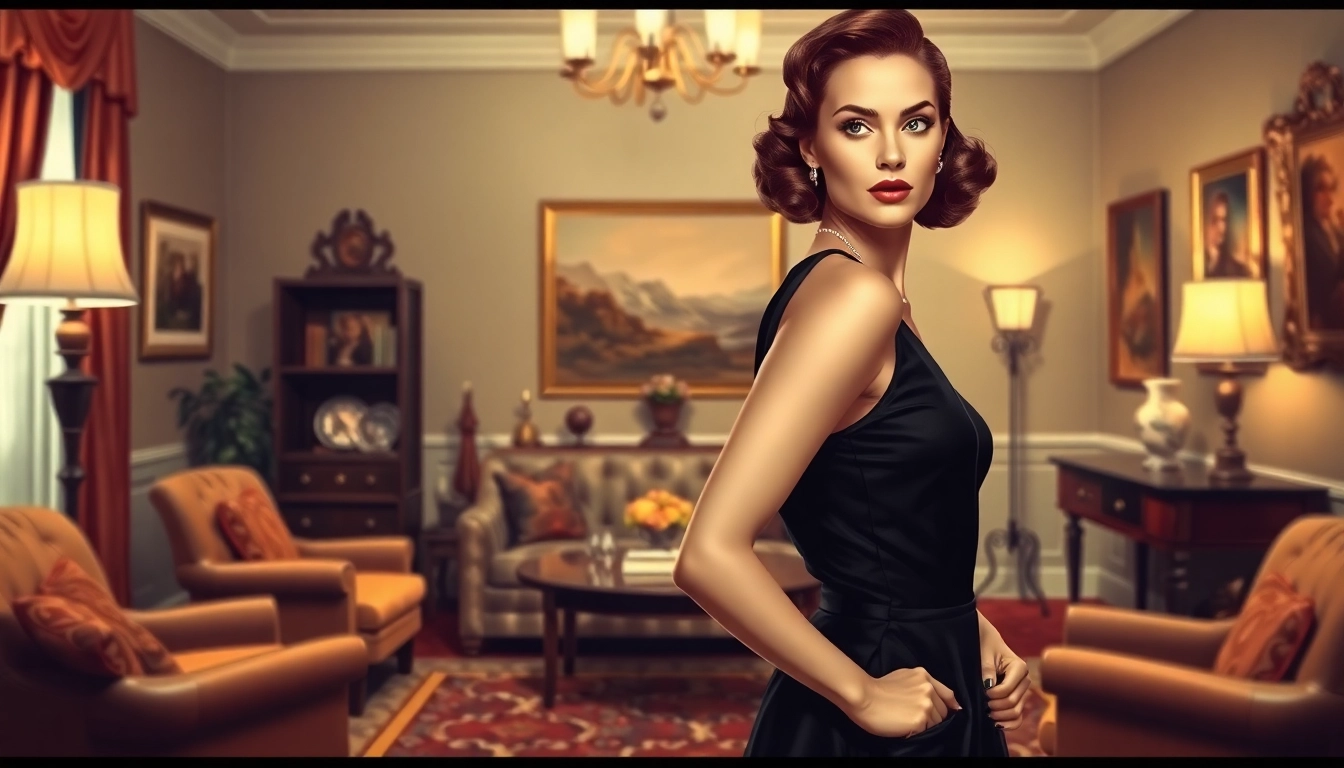
Vargas's artistic style was emblematic of his background and training in fine arts. His use of watercolor techniques combined with careful brushing gave his works a soft, ethereal quality that differed from the more rigid and commercial illustrations of other artists in the genre. The Varga Girls were characterized by their dynamic poses, vibrant colors, and nuanced expressions that conveyed a sense of personality and depth.
One of the defining features of Vargas's artwork is the manner in which he celebrated the female form without resorting to overt sexualization. Instead, his subjects exuded confidence, charm, and a playful sensuality, presenting an idealized vision of womanhood that appealed to the mid-20th-century audience. His mastery in portraying fabric textures, body contours, and facial expressions set a new standard in pin-up art that would influence generations to come.
Impact on Popular Culture through https://www.esquirevargas.com
The influence of Vargas’s work extended beyond the pages of magazines; it infiltrated various facets of popular culture. The images of the Varga Girls became fixtures in American households, appearing not only in magazines but also as calendars, advertisements, and even bombers during WWII, where they were used as nose art to motivate and uplift troops.
In today’s cultural landscape, Varga's pin-ups are often viewed through a retro lens, celebrated in modern fashion, design, and even literature. His influence can be seen in the resurgence of vintage pin-up events, where models and artists draw inspiration from his works to recreate the allure and aesthetic of the era. The Varga Girls remain an enduring symbol of the intersection of art and culture, embodying the essence of the period's desires and artistic transformations.
The Artistic Evolution of Varga Girls
Techniques Used by Alberto Vargas
Vargas’s artistic journey was marked by a constant exploration of techniques that allowed him to push the boundaries of pin-up art. His foundations in fine arts education gave him a command over color palettes and techniques such as airbrushing, which was less common at the time. Vargas often used a combination of watercolor and airbrush, creating a distinctive smoothness and blending that gave his works a lifelike quality.
His meticulous attention to detail is evident in the way he portrayed light and shadow, enhancing the three-dimensionality of his subjects. Vargas also paid close attention to the subtleties of expression and the interplay of body language, which added layers of emotion and story to his pin-ups. The careful selection of poses conveyed not only attractiveness but also personality traits, ensuring that each Varga Girl was more than just an image; she was a character with her own story.
Shift in Cultural Reception Over the Decades
As society evolved, so too did the perception of the Varga Girls. In their heyday during the 1940s and 1950s, these pin-ups represented a bold declaration of femininity and freedom. However, as the feminist movements of the late 20th century began to reshape societal expectations and norms, the reception of such imagery came under scrutiny.
Critics argued that pin-ups, including the Varga Girls, perpetuated unrealistic standards of beauty and often objectified women. This assessment led to a significant shift in how such art was received, prompting a reevaluation of its cultural significance. Ironically, this critique also led to a resurgence of interest, with many contemporary artists and activists reclaiming the imagery as symbols of empowerment and self-expression.
Today, the Varga Girls are often celebrated not only for their aesthetic appeal but also for their representation of women's agency during a time when societal norms were rapidly changing. Various exhibitions and retrospectives highlight the complexity of their impact, showcasing Vargas’s role in shaping not just pin-up art, but also the broader narrative of women in art.
Influence of Varga Girls on Modern Illustrators
The influence of Vargas extends well into the contemporary art scene, where many modern illustrators cite him as an inspiration. Artists today are recognizing the fusion of fantasy with skilled representation of the human form that Vargas mastered. His approach to depicting femininity has encouraged a new generation of artists to explore their style while embracing the playful yet sophisticated flair associated with pin-up art.
Various artistic movements, including the glamorization of nostalgia in pop culture, frequently reference the aesthetic qualities of Varga’s work. The resurgence of pin-up culture, including themed photo shoots, clothing lines, and digital art, reflects a harmonious blend of old and new that honors Vargas's original vision while adapting it to contemporary sensibilities.
Moreover, digital platforms have allowed for a wider dissemination of Vargas-inspired creations, connecting artists and admirers globally. Workshops, community events, and online forums are regularly held to celebrate and recreate the charms of the Varga Girls, showcasing how enduring these images are through the decades.
The Visual Appeal of Vintage Pinups
Understanding Aesthetic Principles in Pin-up Art
At the heart of the allure of vintage pinups lies a cohesive aesthetic that marries emotion, style, and artistic technique. Pin-up art functions on a spectrum of cultural iconography, where nostalgia, fantasy, and sexuality intermingle in a manner that speaks to both the imagination and the realities of femininity. The principles of balance, harmony, and visual rhythm are vital in the compositions of Vargas, which draw viewers into a captivating fantasy world.
Composition plays a central role in creating images that resonate with audiences. By using overlapping layers, contrasting colors, and strategic placements of figures within the frame, Vargas constructed images that are visually engaging and tell a story, drawing viewers into the scene. The result is art that is not only beautiful but also layered with meaning.
Color Schemes and Their Psychological Effects
Color choices in Vargas's art were deliberate and well thought out, evoking specific emotions and reactions from the viewer. He often employed warm hues like reds and yellows to symbolize passion and allure while balancing them with softer tones to imbue calmness and comfort. The interplay of colors created a dynamic yet harmonious atmosphere in his works, enhancing their appeal.
Moreover, the psychological impacts of color cannot be overlooked. Vargas understood that colors could evoke memories and feelings, bridging the gap between art and viewer in a profound way. Warm colors draw attention to the subject, suggesting vitality and warmth, while cooler tones create a sense of relaxation and intimacy, underscoring the duality inherent in the pin-up's aesthetic.
The Role of Composition in Varga’s Works
Vargas’s compositions exemplify a natural flow that leads the viewer’s eye through the artwork. He often employed off-center placements that generated movement and tension, creating an inviting environment that feels alive. His background choices, whether through lush settings or dynamic abstract patterns, enhanced the narrative of the subjects, immersing viewers in a fuller experience.
Furthermore, through negative space, Vargas occasionally challenged viewers to engage actively with the image. By balancing figures against expansive areas, he allowed the viewer's imagination to fill in the gaps, fostering a deeper connection with the artwork and its subjects. This technique not only showcases his artistry but also reflects the viewer's engagement with and interpretation of femininity and beauty.
Collecting and Appreciating Varga Girls Art
Identifying Authentic Varga Artwork
For collectors of Vargas artwork, identifying authenticity is paramount. Many prints mimic the iconic style, making it essential for collectors to seek out original pieces or authenticated reproductions. Original works by Vargas come with distinctive markers such as his signature or particular installment numbers, and pigmentation differences can also serve as indicators of authenticity.
Researching provenance is a vital step for collectors. Keeping documentation of previous ownership and exhibitions can help substantiate the legitimacy of an artwork. Additionally, consulting with art historians, appraisers, or galleries specializing in vintage pin-ups can provide invaluable insights into the authenticity of the works.
Market Trends in Vintage Pin-ups
The market for vintage pin-up art, particularly that of Vargas, sees fluctuating interest based on collector trends and cultural influences. Fluctuating fashion cycles can spark renewed interest in retro aesthetics, driving up demand and prices for original works and reproductions alike. Consideration of the condition, rarity, and historical significance of the pieces greatly influence market trends.
Collectors often monitor auctions, gallery showings, and art fairs to gauge value propositions and to find pieces that resonate with their collection goals. As pop culture embraces retro styles, values can climb, making it a promising investment opportunity for the dedicated collector. Engaging with online platforms and communities can also provide insight into emerging trends regarding both aesthetic preferences and market values.
Preservation and Display Tips for Collectors
Proper preservation is crucial for maintaining the integrity of vintage pin-ups. Original artworks, particularly those on paper, should be kept in a controlled environment that is free from excessive humidity, light exposure, and extreme temperatures. Utilizing UV protective glass in framing can significantly prolong the life of the artwork and keep colors from fading.
When displaying artwork, it is essential to consider framing options that align with the overall aesthetic while providing the necessary protection. Displaying pieces in a gallery-style arrangement can evoke the spirit of pin-up culture while honoring the artistry of Vargas. Additionally, rotating the display of artworks helps mitigate wear and tear caused by constant exposure, ensuring that cherished pieces remain vibrant and alluring.
Contemporary Influences and Reinterpretations
Varga Girls in Today’s Pop Culture
The Varga Girls have carved a niche in modern pop culture, influencing various realms beyond traditional art. From fashion runways to television, the retro aesthetic based on Vargas's work is increasingly embraced by contemporary artists and designers. Vintage-inspired clothing and events celebrating pin-up culture have proliferated, indicating a resurgence of interest in the ideals and styles championed by Vargas.
Moreover, social media has become a platform for the revival of pin-up culture, allowing enthusiasts to showcase their interpretations of Varga’s art. Hashtags and themed events on platforms like Instagram have reinvigorated the public's fascination, creating communities that celebrate and reinterpret the classic allure of the Varga Girls.
Modern Artists Inspired by Varga's Techniques
Numerous contemporary artists draw inspiration from Vargas’s techniques and themes, weaving their unique perspectives into the fabric of pin-up art. These modern creators often juxtapose Vargas’s classic styles with contemporary social issues, recontextualizing the imagery to reflect today’s diverse narratives. This approach adds depth and relevance to the work, offering fresh viewpoints while honoring the roots of the craft.
Workshops and collaborative art events often highlight these modern interpretations, celebrating the fusion of old-world techniques with new thematic explorations. Through this lens, artists are not only preserving Vargas's legacy but are also evolving the narrative surrounding pin-ups in light of contemporary cultural discourse.
The Future of Pin-up Art within the Digital Era
The digital era presents boundless opportunities for the exploration and celebration of pin-up art. As artists embrace technology, new mediums such as digital illustration, animation, and augmented reality open avenues for creative expression that Vargas could not have imagined. These advancements allow for innovative reimaginings of pin-up culture that maintain the charm and character of the past while embracing the capabilities of the future.
Online galleries, collectible marketplaces, and social media platforms will continue to serve as significant venues for the dissemination of pin-up art. The future promises an expansion of audiences and deeper engagement with stories told through pin-up imagery. As the conversation around pin-up art evolves, it will reflect broader cultural shifts while continuing to celebrate the timeless allure first envisaged by Vargas and the Varga Girls.