Introduction to Gramaphone Records
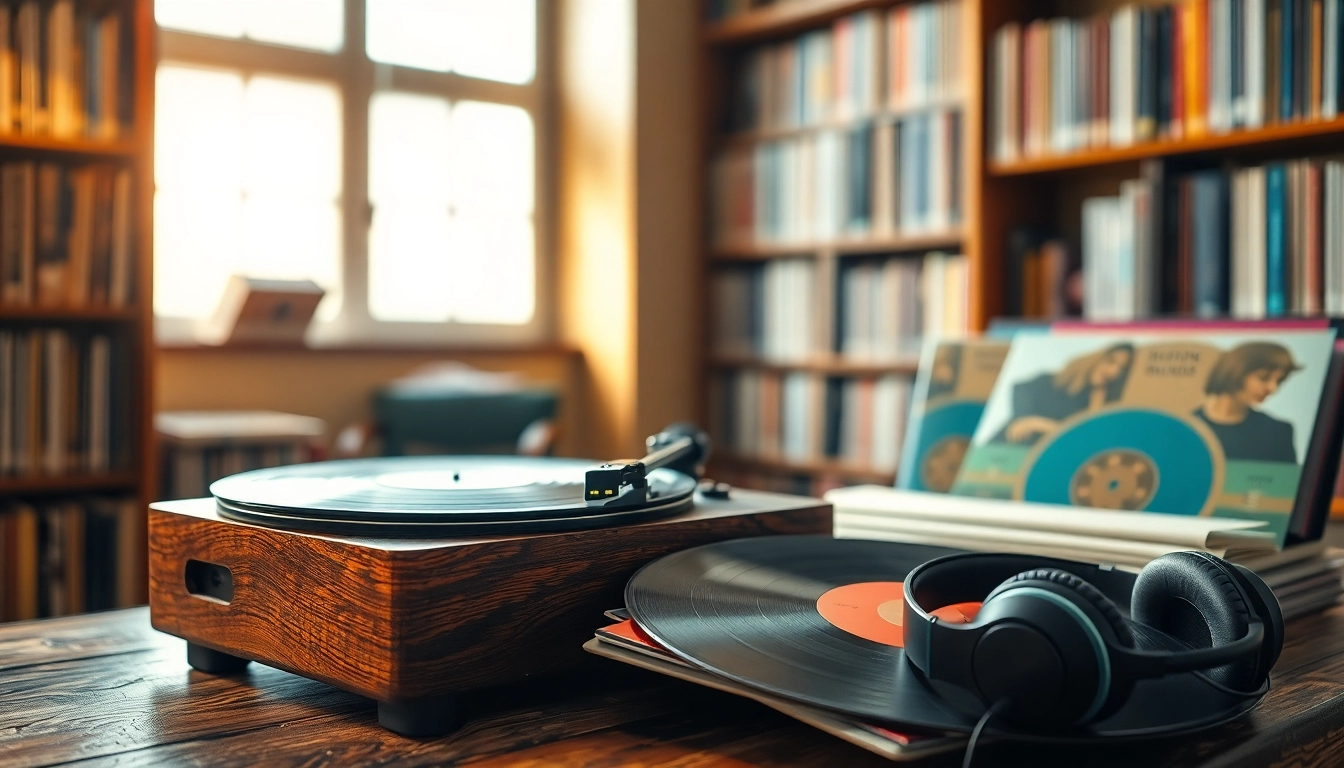
The world of gramaphone records is a fascinating journey through time, music, and culture. These vintage sound carriers have captivated audiences for generations, offering more than just audio; they deliver a unique experience that perfectly contrasts the fleeting nature of digital music. While today's music landscape is predominantly dominated by digital streams, the allure of gramaphone records persists, drawing collectors and enthusiasts alike into a realm steeped in nostalgia and authenticity.
History and Evolution of Gramaphone Records
Gramaphone records, often referred to as gramophone records or vinyl, trace back to the late 19th century. The initial invention of the phonograph by Thomas Edison in 1877 laid the groundwork for the evolution of sound recording. However, it was Emile Berliner who significantly advanced the technology with his invention of the flat disc record in the 1880s. This format not only improved sound quality but also made mass production feasible.
As the gramaphone gained popularity, various manufacturers began producing records using shellac, a natural resin that created sturdy and relatively high-quality sound carriers. The 1920s introduced a revolutionary change with the advent of electrical recording, significantly enhancing sound fidelity, which contributed to the broader acceptance of gramaphone records in homes across the world. By the mid-20th century, the introduction of vinyl records further solidified the gramaphone as a key player in the music industry.
The continued innovation—such as 33 1/3 RPM LPs and 45 RPM singles—allowed music artists to explore longer formats and greater creativity in their compositions. However, with the rise of cassette tapes and, later, CDs in the 1980s, the gramaphone faced a decline, leading many to believe that this medium was fading into obscurity.
Understanding the Mechanics of Gramaphone Records
To truly appreciate gramaphone records, one must understand how they work. The basic principle of operation is relatively straightforward yet shows remarkable ingenuity. The sound is recorded through vibrations that create grooves in the record. When the record spins on a turntable, a stylus or needle traces these grooves, converting mechanical movements back into sound waves.
The construction of a typical gramaphone record involves multiple layers, including the core material (often plastic or vinyl) coated with an audio-sensitive layer. The grooves are etched utilizing a cutting lathe, where sound is translated into mechanical energy and imprinted onto the record surface. Subsequently, pressing the record involves pressing two pieces of heated vinyl together with the grooves, forming the final product.
Furthermore, the quality of a record can be affected by various factors such as the material composition, the engineering behind the mastering process, and the condition of the record itself. Understanding these mechanics allows collectors to discern the differences between records and their values better.
The Cultural Impact of Gramaphone Records
The cultural significance of gramaphone records cannot be understated. They revolutionized how music was consumed and shared, fostering a sense of community and collective experiences. From the jazz and blues records of early 20th century America to the rock and punk scenes of the 1960s and 1970s, gramaphone records have served as cultural artifacts that reflect the times in which they were produced.
Record stores became cultural hubs, providing spaces for socializing, discovering new music, and exchanging ideas. These stores often hosted live events, lectures, and community gatherings, further solidifying their role in fostering artistic expression and cultural discourse.
Moreover, gramaphone records have impacted fashion, art, and lifestyle choices, influencing iconic trends and movements. Album artwork has evolved into an art form of its own, often encapsulating the essence of the music, the artist, and the era. The tactile engagement of physically holding a record, coupled with the ritual of placing it on a turntable, creates an intimate connection between the listener and the music, a far cry from the impersonal nature of digital streaming.
Collecting Gramaphone Records
Collecting gramaphone records has emerged as not only a hobby but also as a form of investment and personal expression. Many enthusiasts are captivated by the thrill of discovering rare items that resonate with their musical tastes or nostalgia.
Identifying Valuable Gramaphone Records
The value of a gramaphone record can vary significantly based on several factors. Rarity, condition, label, and the artist’s significance all contribute to a record's worth. Collectors often look for first pressings, limited editions, or records by influential artists that have been preserved well.
Records with unique cover art, misprints, or records that were quickly withdrawn from circulation can also be highly sought after. To gain expertise in identifying valuable gramaphone records, collectors may benefit from immersing themselves in communities, attending record fairs, and studying catalogs and price guides.
To aid in valuing specific records, online databases and collector websites provide valuable insights, allowing collectors to make informed purchasing decisions and understand current market trends better.
Where to Find Authentic Gramaphone Records
Finding authentic gramaphone records requires a keen eye and a passion for digging through various resources. Many enthusiasts start their journeys at local record stores, flea markets, estate sales, or yard sales where hidden gems might be waiting. Notably, online marketplaces, auction sites, and specialty websites also offer vast selections of records, catering to both buyers and sellers. Networking through social media groups and attending record shows expands opportunities to discover unique items while fostering a sense of community among fellow collectors.
Care and Maintenance for Gramaphone Records
Preserving the quality and longevity of gramaphone records is paramount, especially for collectors. Proper handling begins with storing records vertically to avoid warping. Keep them in a controlled, dry environment away from sunlight to prevent fading and degrading of materials.
Regular cleaning is essential to maintaining sound quality. A microfiber cloth or a designated record cleaning solution can help remove dust and fingerprints, while special brushes can eliminate static buildup. Additionally, ensuring that the needle and turntable are free from debris minimizes wear and tear on the records, enhancing the listening experience.
Playing Gramaphone Records
For collectors, the listening experience can be as rewarding as the collection itself. Playing gramaphone records requires specific equipment to ensure playback quality and to preserve the records.
Selecting the Right Equipment for Gramaphone Records
The quality of sound produced while playing gramaphone records largely hinges on the turntable's quality. Invest in a turntable that offers adjustable speed settings (33 1/3 and 45 RPM), as well as one that incorporates high-quality components designed to minimize vibration. A good cartridge and stylus are also essential, as they dramatically affect sound output and record wear.
Complementing the turntable, an adequate amplifier and speakers tailored for vinyl playback create a fuller, richer sound, emphasizing the depth and nuances inherent in gramaphone records.
Setting Up Your Gramaphone Records System
Setting up your gramaphone records system may seem daunting, but careful planning ensures an enjoyable experience. Begin by selecting the right location for your turntable; a sturdy, flat surface can minimize vibrations. Ensure headphones or speakers are suitable for vinyl playback, as certain frequencies can be lost on inferior equipment. Following the manufacturer’s instructions, position the cartridge properly, adjust balance settings, and calibrate the tracking force. Fine-tuning the system can greatly enhance the overall listening experience.
Common Issues When Playing Gramaphone Records and How to Fix Them
While playing gramaphone records can be a delightful experience, several issues may arise. Common concerns include skipping, crackling, and sound distortion. Skipping often indicates a dirty or damaged record, while crackling can signify dust on the needle or record. Regular cleaning can alleviate these issues, ensuring a smooth playback. If sound distortion persists, check the alignment of the cartridge and the pressure applied by the tonearm, as improper set-up can lead to poor sound quality.
The Resurgence of Gramaphone Records
Despite challenges from digital formats, gramaphone records are experiencing a renaissance in recent decades. Various factors fuel this resurgence, including a cultural shift back towards analog experiences and the appreciation for the unique listening quality that gramaphone records provide.
Current Trends in Gramaphone Records Collecting
Within the last few years, interest in collecting gramaphone records has surged significantly. Many collectors seek out reissues of classic albums, as well as new music released on vinyl. Vinyl sales have outpaced CD sales in certain demographics, showing that records have emerged as a noteworthy medium in today's music scene.
Additionally, boutique record labels are blossoming, catering to niche markets and releasing exclusive records that attract collectors. Vinyl clubs and subscription services have emerged, providing curated selections that engage both novice and seasoned enthusiasts alike.
How Gramaphone Records Fit into Modern Music Culture
Gramaphone records also occupy a unique space in modern music culture, serving both as collectibles and as artistic mediums in their own right. Artists are increasingly mindful of vinyl releases as a way to connect with fans and provide a richer experience beyond mere auditory consumption.
Moreover, the tactile nature of gramaphone records complements the growing trend towards mindful consumption, inviting listeners to slow down and truly engage with music. The resurgence serves as a reminder that while technology evolves, the appreciation for authentic experiences remains timeless.
Future of Gramaphone Records in the Digital Age
Looking ahead, the future of gramaphone records appears promising. The digital age, instead of overshadowing this medium, may have actually encouraged a renewed interest in its unique qualities. Innovations in vinyl production techniques aim to improve sound quality and accessibility while traditional practices such as mastering for vinyl continue to be honed by specialized experts.
Furthermore, as music lovers crave tactile, sentimental experiences amidst a digital-driven world, gramaphone records will likely retain their charm as enthusiasts seek to connect with music on a deeper level. With an ever-growing community of collectors and artists devoted to preserving this format, gramaphone records continue to be celebrated as a significant part of music history.
Conclusion: The Enduring Charm of Gramaphone Records
As we reflect upon the journey of gramaphone records, it becomes clear that they have left an indelible mark on our culture and history. Their unique character stands as a testament to music's ability to transcend time and technology.
Why You Should Embrace Gramaphone Records Today
Embracing gramaphone records today offers more than mere nostalgia; it invites consumers into a world of substance and authenticity. For those new to collecting, it presents an engaging hobby that encourages exploration and appreciation of the rich soundscapes encapsulated within each record. For seasoned collectors, it’s an opportunity to deepen their connection with music history and take part in a vibrant community.
Final Thoughts on the Legacy of Gramaphone Records
The legacy of gramaphone records extends far beyond music; it encapsulates cultural movements, artistic expression, and personal connections that have evolved over decades. As we continue to adapt to an ever-changing musical landscape, the essence of gramaphone records remains a cherished aspect of our collective human experience.
Resources for Further Exploration of Gramaphone Records
For those seeking to delve deeper into the world of gramaphone records, a variety of resources are at your disposal. Various online forums, local record stores, specialized literature, and vinyl fairs present opportunities to engage with others who share your passion. Whether you’re an avid collector or a casual listener, the journey through gramaphone records promises to be enriching, informative, and all the more rewarding.