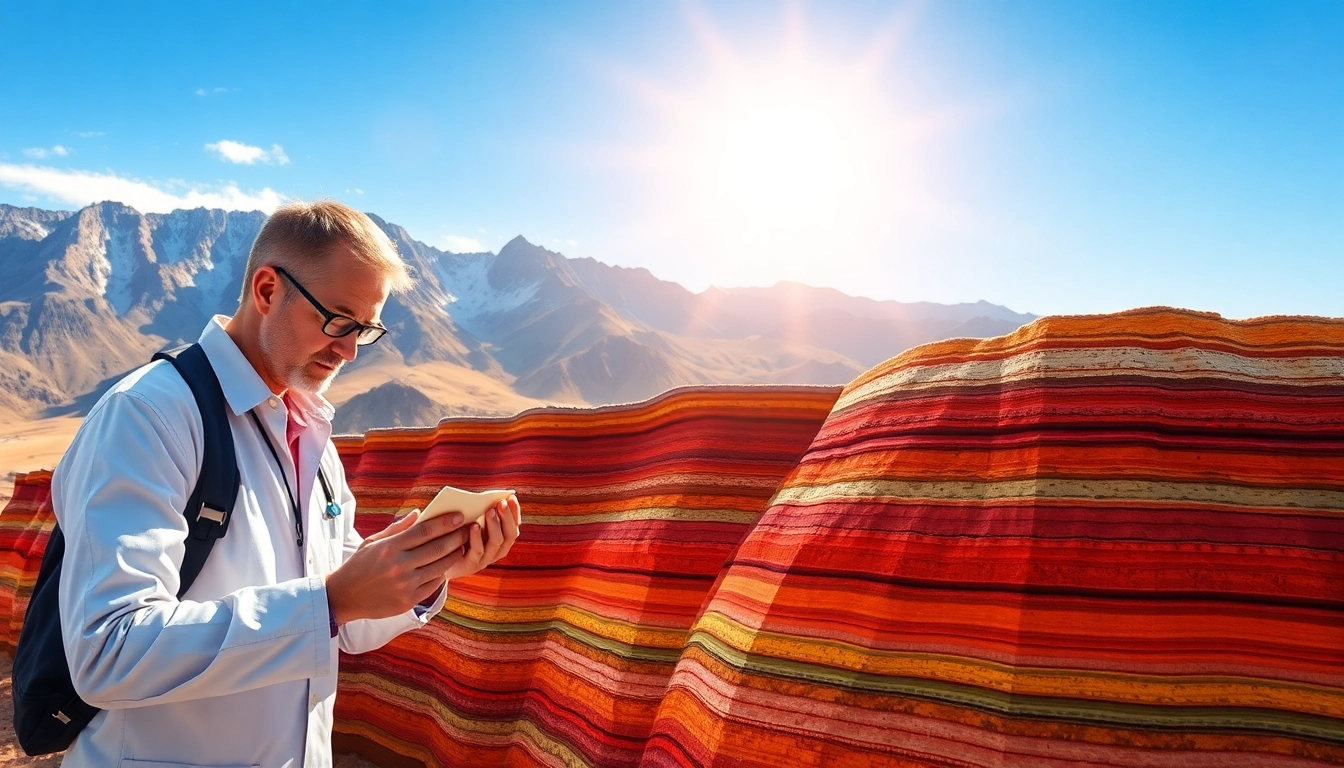
Introduction to Geology
Geology is a fascinating field that examines the Earth, its materials, and the processes that shape it over time. This branch of science plays a crucial role in understanding the planet's structure, composition, and the natural phenomena that occur within it. By delving into geology, we can better predict natural disasters, understand historical climates, and discover essential resources that sustain human life.
Definition and Importance of Geology
Geology is defined as the scientific study of the Earth, including its materials, processes, and the changes it has undergone throughout its history. This discipline is essential for several reasons:
- Resource Management: Understanding geological formations can aid in discovering minerals, oil, and natural gas.
- Natural Hazard Assessment: Knowledge of geological processes helps in predicting and mitigating impacts from earthquakes, landslides, and volcanoes.
- Environmental Protection: Geologists assess land use, groundwater systems, and pollution impact, contributing to conservation efforts.
- Understanding Climate Change: Geologists study Earth's past climates to inform our understanding of current climate change trends.
Historical Perspectives on Geology
The field of geology has evolved significantly over the centuries. Here are some key milestones:
- Ancient Civilizations: Early studies of rocks and minerals were conducted by ancient Greeks and Romans, who laid foundational ideas about Earth's composition.
- The Renaissance: The 16th and 17th centuries saw advancements in mineralogy and the onset of modern geological science.
- 19th Century: The formulation of the geological time scale and theories of plate tectonics emerged, radically changing our understanding of Earth's structure.
- 21st Century: Modern geology incorporates advanced technologies, such as satellite imaging and computer models, to study Earth more comprehensively.
Key Concepts in Geology
Several fundamental concepts lay the groundwork for the study of geology:
- Plate Tectonics: The theory that Earth's lithosphere is divided into tectonic plates that move, leading to earthquakes and mountain formation.
- Rock Cycle: The continuous process of rock formation and transformation through geological processes like erosion, sedimentation, and metamorphism.
- Geological Time Scale: A system used by geologists to date Earth's events based on rock layers and fossil records.
- Stratigraphy: The study of rock layers (strata) and layering, crucial for understanding Earth's history.
Major Branches of Geology
Physical Geology: Structure and Processes
Physical geology focuses on the materials and processes that shape the Earth. This branch involves the study of rock types, soil formation, and the dynamics of natural forces such as erosion and volcanic activity.
Understanding physical geology is vital for resource extraction, land management, and hazard assessment. For example, geologists analyze soil types when advising on the best locations for agriculture or construction, ensuring sustainability while minimizing risks.
Historical Geology: Earth’s Timeline
Historical geology seeks to understand the Earth's past, including the evolution of its landscapes and the organisms that have inhabited it. This branch relies heavily on fossil records and stratigraphy to create a timeline of geological events.
Through studying historical geology, scientists can reconstruct ancient environments, understand mass extinction events, and study how organisms have adapted to changing climates over millions of years.
Environmental Geology: Human Interaction with Earth
Environmental geology examines the interaction between humans and the geological environment. This branch addresses issues such as land-use planning, natural hazard mitigation, and environmental restoration.
Geologists working in this field assess the effects of human activities on the landscape and provide advice on managing natural resources sustainably. They play a crucial role in urban development, ensuring that construction projects take geological factors into account to minimize environmental impact.
Tools and Techniques in Geology
Geological Mapping Techniques
Geological maps are essential tools for representing the distribution of geological features. These maps aid geologists in visualizing complex geological structures and understanding spatial relationships between various rock types.
Modern geological mapping involves advanced technologies, such as Geographic Information Systems (GIS), which enable precise data collection and analysis.
Fieldwork and Sample Analysis
Fieldwork is critical in geology, allowing scientists to collect samples and conduct observations in natural settings. Geologists use tools like rock hammers, GPS devices, and sediment samplers to gather data.
Once collected, samples are analyzed in laboratories using techniques such as X-ray diffraction or electron microscopy to determine the mineral composition and physical properties of the rocks.
Remote Sensing Applications
Remote sensing involves acquiring data about Earth's surface from a distance, often using satellites or aerial photography. This technique provides valuable information about land use, vegetation cover, and geological structures without the need for extensive fieldwork.
Geologists use remote sensing to monitor environmental changes, identify mineral deposits, and assess hazards such as landslides or flooding.
Careers in Geology
Top Geology Jobs and Salaries
Geology offers a diverse range of career paths across various sectors. Some of the top careers in geology include:
- Geophysicist: Specializes in the study of physical properties of the Earth.
- Petroleum Geologist: Works with oil and gas industries exploring and extracting fossil fuels.
- Environmental Geologist: Focuses on human impacts on the Earth and advocates for sustainable practices.
- Mining Geologist: Works in resource extraction, helping to locate and manage mineral deposits.
Salary ranges vary, with experienced professionals often earning six-figure salaries, particularly in the petroleum sector.
Required Education and Skills
A career in geology typically requires at least a bachelor's degree in geology or a related field. Advanced positions may necessitate a master's or doctoral degree.
Key skills for geologists include:
- Analytical thinking and problem-solving abilities
- Proficiency with geological software and data analysis
- Strong fieldwork and laboratory skills
- Communication skills for effective collaboration with team members and stakeholders
Professional Development Opportunities
Ongoing education is essential for geologists, as the field continuously evolves with new technologies and research. Professionals are encouraged to attend workshops, seminars, and conferences to stay informed about the latest advancements in geology.
Membership in professional organizations can also provide networking opportunities and access to specialized training and certification programs.
The Future of Geology
Emerging Trends in Geology Research
As global challenges like climate change, urbanization, and resource depletion become more pressing, geology is positioned to play a critical role in addressing these issues. Emerging research trends focus on:
- Renewable energy exploration
- Green building materials and construction methods
- Sustainable land management practices
- The impacts of climate change on geological processes
The Role of Technology in Geology
Technological advancements are revolutionizing the field of geology. From advanced imaging techniques to artificial intelligence, technology enables geologists to gather and analyze data more efficiently than ever before.
Innovations in data modeling software allow for complex simulations that predict geological behavior under various scenarios, which can be invaluable for hazard assessment and resource management.
How Geology Impacts Environmental Policy
Geology significantly influences environmental policies and practices. Comprehensive geological assessments are crucial for effective land-use planning, hazard mitigation strategies, and conservation efforts. Moreover, policymakers depend on geological research to make informed decisions on resource management and environmental protection.
As legislators increasingly recognize the importance of sustainable practices, geologists will be integral in shaping policies that promote ecological balance and environmental resilience.
Frequently Asked Questions
What is the highest paying job in geology?
The highest-paying jobs in geology include geophysicist and petroleum geologist, with salaries often exceeding six figures, depending on experience and location.
What are the four types of geology?
Geology is divided into several branches, including physical, historical, and environmental geology, with specialties like planetary and economic geology.
How does geology impact everyday life?
Geology affects many aspects of daily life, from natural resource management to predicting natural disasters, and even influencing construction practices.
What tools do geologists use?
Geologists utilize various tools, including geological maps, GPS devices, rock hammers, and imaging technologies to analyze Earth’s features.
Why is geology important?
Understanding geology is vital for resource management, environmental protection, and predicting geological hazards, contributing to sustainable development.