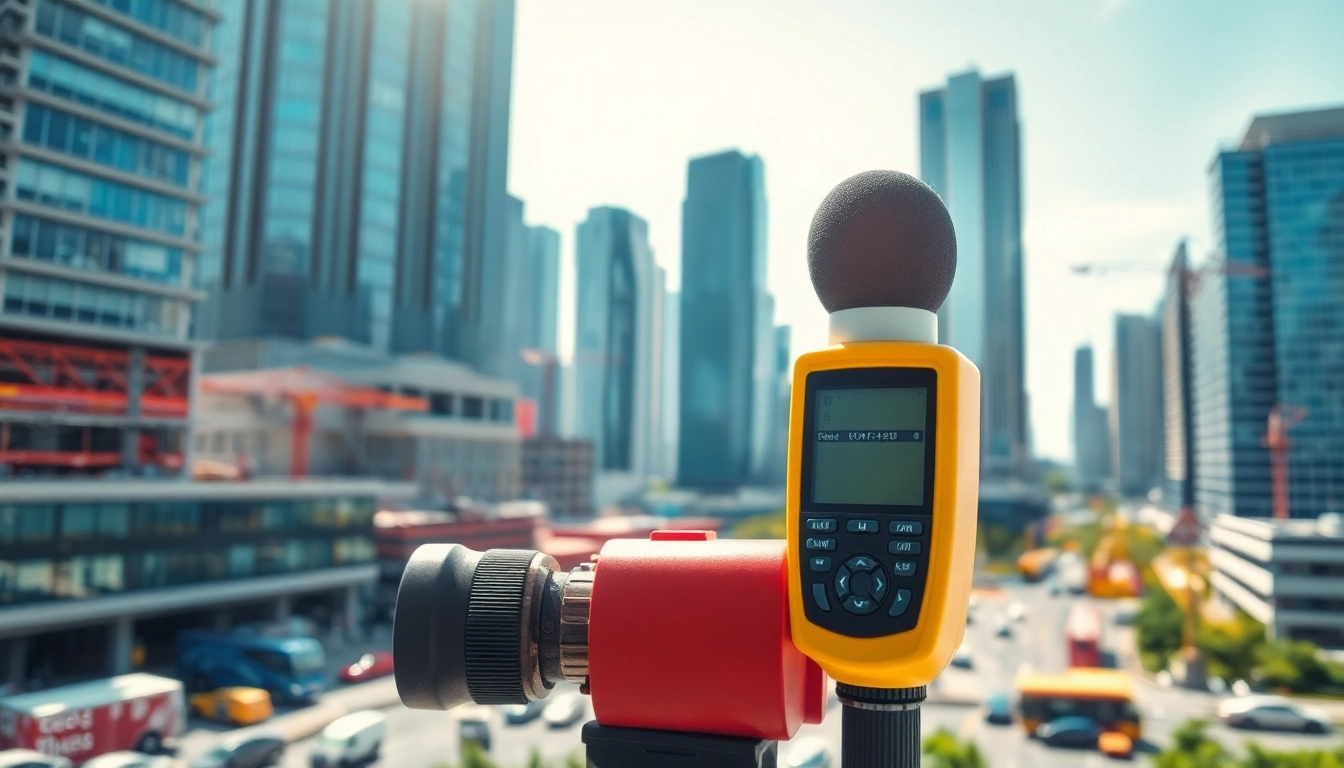
The Essentials of Noise Impact Assessment
Noise impacts can significantly affect the quality of life, environmental conditions, and overall health of communities. To proactively manage these impacts, a comprehensive understanding of the noise impact assessment is crucial. This article delves deep into the intricacies of noise impact assessments, exploring their importance, methodologies, regulatory frameworks, challenges faced, and emerging trends.
What is Noise Impact Assessment?
A noise impact assessment (NIA) is a systematic approach to evaluate the potential effects of noise from various sources on the environment and sensitive receptors. The assessment involves measuring, modeling, and analyzing sound levels to predict how proposed projects will affect the existing noise environment. Typically, NIAs are required during the planning and development phases of projects that have the potential to introduce significant noise, such as construction, transportation infrastructure, and industrial activities.
The Importance of Noise Impact Assessment
Noise can lead to several adverse effects, including hearing impairment, sleep disturbances, chronic stress, and reduced productivity. A well-conducted noise impact assessment is crucial for identifying these potential effects before they become problematic. Furthermore, it aids in the design and implementation of effective mitigation measures, ensuring compliance with legal standards, and promoting public health and well-being.
In addition to safeguarding communities, thorough noise impact assessments can also expedite project approvals, mitigate liabilities, and enhance stakeholder relationships. Developers and urban planners who conduct robust assessments are better prepared to engage with the community and address concerns regarding noise pollution.
Key Components of Noise Impact Assessment
A comprehensive noise impact assessment consists of several essential components:
- Noise Source Identification: Determining the primary sources of noise within the project area, which may include machinery, traffic, or other environmental factors.
- Noise Measurement: Conducting field measurements to establish baseline noise levels, often utilizing calibrated equipment to ensure accuracy.
- Noise Predictions: Employing analytical tools and models to forecast future noise levels based on proposed changes and developments.
- Impact Evaluation: Assessing the potential implications of increased noise on sensitive receptors, such as residential areas, schools, and hospitals.
- Mitigation Strategies: Proposing strategies and recommendations to minimize identified impacts, ensuring compliance with regulatory standards and enhancing community acceptability.
Methodologies Used in Noise Impact Assessment
Types of Noise Measurement Techniques
There are several techniques employed in the measurement of noise levels, each with its advantages and limitations:
- Direct Measurement: Utilizing sound level meters to capture real-time measurements at various locations over specified time intervals.
- Noise Modeling: Using software tools to simulate noise propagation based on environmental variables, including topography, meteorological conditions, and shielding effects of buildings.
- Community Surveys: Gathering subjective data from residents regarding their perceptions and complaints about noise, which can provide insight into community concerns.
Field Surveys vs. Modeling Approaches
Field surveys and modeling approaches are integral to a comprehensive noise impact assessment. Field surveys provide empirical data about existing noise levels, while modeling approaches allow for predictions under varying scenarios.
Field measurements, despite their reliability, can be resource-intensive and may not sufficiently cover all potential noise sources. Conversely, modeling can account for hypothetical scenarios and alternatives; however, the accuracy is contingent on quality input data and calibration with field measurements.
A key strategy is to integrate both methodologies to enhance the credibility and robustness of the assessment. By calibrating models with actual measurements, planners can create a more accurate and realistic depiction of future noise levels.
Best Practices for Accurate Noise Impact Assessment
To ensure the accuracy and reliability of noise impact assessments, professionals should adhere to the following best practices:
- Comprehensive Site Evaluation: Conduct thorough evaluations of the project site, considering existing noise sources, land use characteristics, and potential impacted areas.
- Multi-Phase Assessments: Implement phased assessments to capture variations in noise levels due to seasonal changes, operational adjustments, and construction activities.
- Stakeholder Engagement: Involve community stakeholders early in the assessment process to gather input, address concerns, and enhance transparency.
- Regular Calibration: Regularly calibrate measurement equipment to maintain accuracy and reliability, and ensure compliance with industry standards.
- Documentation: Maintain detailed records of methodologies, findings, and recommendations for transparency and reproducibility.
Regulations and Standards in Noise Impact Assessment
National Guidelines for Noise Assessment
Noise impact assessments must comply with various national guidelines, including sound level limits and assessment protocols established by regulatory bodies. These guidelines provide a framework for noise assessment methodologies, ensuring consistency, reliability, and comparability between different assessments. The United States Environmental Protection Agency (EPA) and Occupational Safety and Health Administration (OSHA) offer standards that specify acceptable noise levels for different environments and industries.
Local Regulatory Requirements
In addition to national guidelines, local jurisdictions may have specific requirements regarding noise assessments. These regulations often encompass noise ordinances, zoning laws, and planning regulations that dictate permissible noise levels for residential, commercial, and industrial areas. It is crucial for developers and planners to be aware of and comply with these local requirements to avoid legal challenges and ensure community acceptance.
Environmental Impact and Noise Regulations
Noise is recognized as a significant environmental pollutant by various environmental regulations. Through compliance with environmental impact assessment (EIA) processes, developers must address potential noise impacts as part of broader ecological considerations. Integrated assessment methodologies ensure that noise impacts are evaluated in conjunction with other environmental factors, such as air quality, wildlife preservation, and community health. This holistic approach promotes sustainable development and reduces adverse consequences on both human and ecological health.
Challenges in Noise Impact Assessment
Common Issues Faced in Assessments
Conducting a noise impact assessment may present several challenges, including:
- Data Availability: Limited access to historical noise data and incomplete baseline surveys can hinder proper analyses and make it difficult to predict impacts accurately.
- Environmental Variability: Noise levels can fluctuate due to factors such as weather conditions and time of day, complicating the assessment process.
- Technological Constraints: Not all regions may have access to advanced noise measurement technologies or capable personnel, affecting the quality of assessments.
Overcoming Data Collection Challenges
To address data availability and collection challenges, professionals can take the following steps:
- Leverage Technology: Utilize automated noise monitoring systems to gather continuous data over extended periods. This data can be supplemented by traditional measurement techniques.
- Conduct Comprehensive Baseline Studies: Implement extensive baseline assessments that encompass various locations and times to capture a more representative audio environment.
- Collaborate with Local Authorities: Work with local agencies that may have historical noise data and access to regional monitoring programs, enhancing the quality of assessments.
Engaging Stakeholders in Noise Impact Assessment
Engagement with stakeholders—such as community members, local authorities, and interest groups—is crucial for successful noise impact assessments. By fostering open communication, professionals can:
- Address Concerns: Identify community concerns about noise pollution and demonstrate how the assessment has taken these into account.
- Build Trust: Establishing transparent communication processes enhances trust and can lead to more collaborative relationships between developers and the community.
- Gain Support: Satisfied stakeholders are more likely to support future projects, creating a favorable environment for development.
Future Trends in Noise Impact Assessment
Technological Advances in Noise Monitoring
As technology continues to evolve, noise impact assessments will likely benefit from advances in monitoring and analytical techniques. Innovations such as real-time noise mapping, artificial intelligence in data analysis, and the Internet of Things (IoT) for decentralizing data collection can enhance the precision and scope of assessments.
Utilizing drones equipped with sound level meters can facilitate comprehensive area surveys, capturing hard-to-reach locations while improving safety and efficiency. Furthermore, emerging software applications can process and analyze noise data more effectively, enabling planners to make informed decisions.
Evolving Environmental Policies and Standards
Legislative bodies continuously adapt and refine noise regulations to address the changing dynamics of urban development and environmental protection. Future noise impact assessments will necessitate awareness of evolving policies concerning environmental performance and sustainability. Stakeholders will need to stay informed about these changes to ensure compliance and anticipate potential impacts on their projects.
The Role of Public Perception in Noise Impact Assessment
Public perception regarding noise pollution and its effects on community health will continue to play a vital role in shaping the landscape of noise impact assessments. Increased advocacy for environmental justice and community well-being will elevate the importance of stakeholder engagement and transparency throughout the assessment process.
Understanding community values and incorporating public feedback into the assessment framework will help address concerns proactively and foster more collaborative development practices. Ultimately, aligning project outcomes with community expectations will pave the way for improved success rates and enhanced societal acceptance.