What Are Wildfire Events?
Definition and Overview
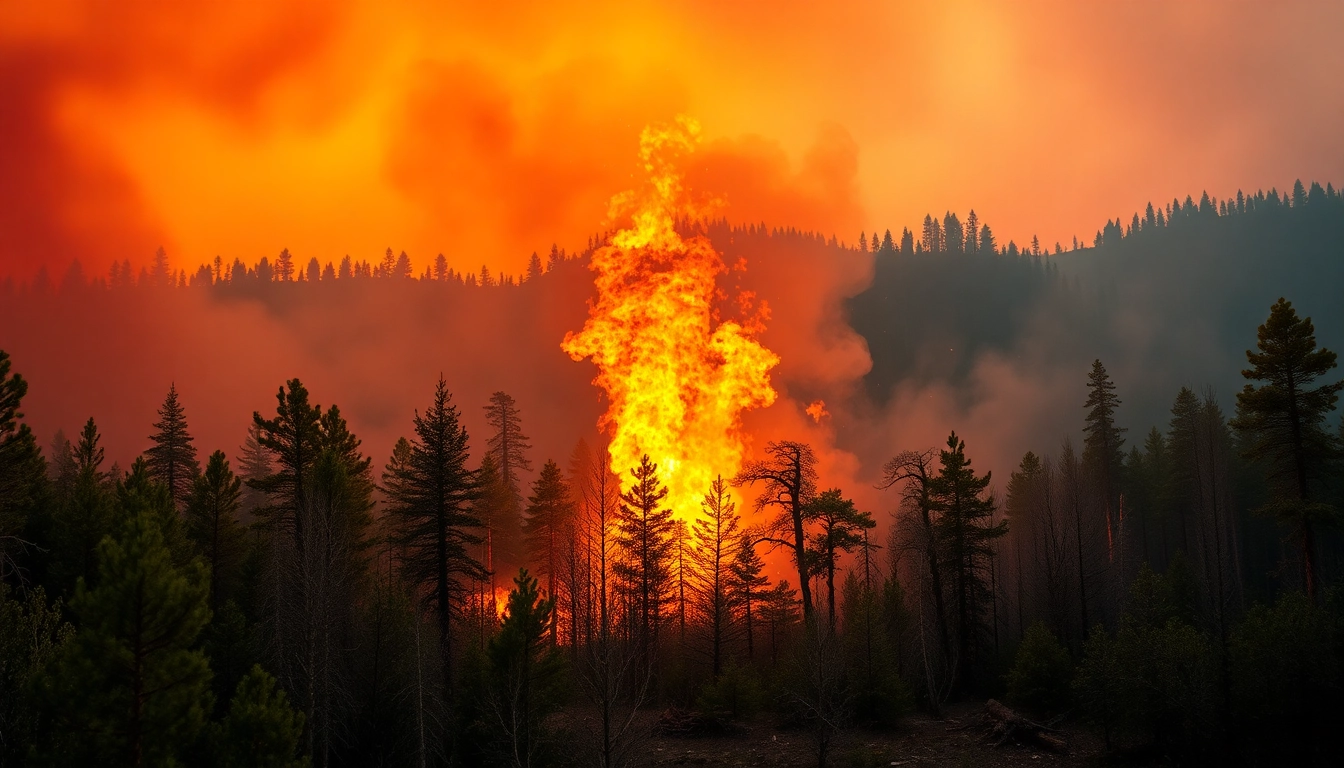
Wildfire events refer to uncontrolled fires that occur in natural areas such as forests, grasslands, and shrublands. These events can develop rapidly, fueled by dry weather, lack of rainfall, and high temperatures. Such fires can be devastating to the ecosystem, affecting not only vegetation but also the wildlife that inhabits these areas. Wildfire events can occur naturally, sparked by factors like lightning strikes, or they can be ignited by human activities, including campfires and discarded cigarettes. Understanding the nuances of wildfire events is essential for effective management and prevention strategies. For more information on wildfire events, visit Wildfire events.
Causes of Wildfire Events
Various factors contribute to the occurrence of wildfire events, with primary causes including:
- Natural Causes: Lightning strikes are a major natural cause of wildfires. When the electrical charge from a lightning bolt contacts dry vegetation, it can ignite a fire that spreads quickly under the right conditions.
- Human Activities: Human negligence plays a significant role in wildfires. Activities such as campfires left unattended, arson, and even sparks from machinery can lead to uncontrolled fires.
- Climate Conditions: Prolonged periods of drought and high temperatures can dry out vegetation, making it more susceptible to ignition. Prolonged hot and windy conditions can also exacerbate fire spread.
- Forest Management Practices: Poor land management can lead to an accumulation of plant debris, creating an excessive fuel load that makes wildfires more likely to occur and spread.
Differences Between Wildfire Events and Controlled Burns
While both wildfire events and controlled burns involve the use of fire, they differ fundamentally in their management and implications.
Wildfire Events: These are uncontrolled and can spread rapidly, threatening lives, property, and ecosystems. They often require significant resources for suppression and can lead to extensive environmental damage.
Controlled Burns: These are intentionally set fires used as a land management tool to reduce excess vegetation and prevent larger wildfires. Controlled burns are conducted under specific weather conditions and with proper oversight to limit their spread and impact.
The Impact of Wildfire Events on the Environment
Ecological Effects and Habitat Destruction
Wildfire events have profound ecological impacts, including:
- Destruction of Habitat: Flora and fauna are often devastated by wildfires, leading to significant displacement of animal species and loss of plant biodiversity.
- Alteration of Ecosystems: Wildfires can alter soil composition and hydrology, impacting future plant growth and re-establishing shallow-rooted species that may not support the existing ecosystem.
- Succession Stages: While some ecosystems depend on fire for regeneration, the immediate aftermath often results in an ecological imbalance until recovery can occur.
Air Quality Concerns During Wildfire Events
Wildfire events contribute to the deterioration of air quality, producing smoke, particulate matter, and harmful gases. The consequences of this on public health include:
- Respiratory Problems: Inhalation of smoke and particles can lead to respiratory issues, aggravating conditions like asthma and chronic bronchitis.
- Emergency Responders at Risk: Firefighters and first responders are significantly exposed to hazardous air quality during wildfire suppression efforts.
- Long-Range Impact: Smoke from wildfires can travel long distances, affecting air quality in regions far from the fire itself.
Long-Term Environmental Recoveries
Recovery from wildfire events can be a lengthy and complex process. Factors affecting recovery include:
- Type of Vegetation: Native species may recover more effectively than invasive species, which can take over burned areas and hinder regeneration.
- Soil Conditions: The intensity of the fire can determine soil health, affecting future plant growth and the likelihood of erosion.
- Climate Conditions: Post-fire rainfall can either assist recovery through regeneration or contribute to increased erosion and sedimentation in waterways.
Preparing for Wildfire Events
Best Practices for Homeowners
Homeowners in wildfire-prone areas can implement several proactive measures:
- Defensible Space: Creating a defensible space by clearing flammable vegetation around your home can greatly reduce the risk of fire spreading to structures.
- Fire-Resistant Materials: Using fire-resistant building materials for roofs, decks, and siding can minimize potential fire damage.
- Emergency Kit: Preparing an emergency kit with essential supplies and an evacuation plan can save lives in the event of a wildfire.
Community Preparedness Initiatives
Communities can band together to enhance wildfire preparedness through initiatives such as:
- Firebreak Creation: Community-wide efforts to create clearings that act as barriers to slow or halt the progress of wildfires.
- Public Awareness Campaigns: Educating residents about wildfire risks and encouraging participation in fire prevention programs.
- Collaboration with Fire Departments: Engaging local fire departments to conduct community drills and training sessions.
Emergency Response Planning
Having an emergency response plan is crucial for effective wildfire management. Essential components include:
- Evacuation Routes: Mapping out clear and accessible evacuation routes can save time and ensure safety during a crisis.
- Alert Systems: Implementing local alert systems to inform residents about fire conditions and evacuation orders.
- Resource Allocation: Planning for resource allocation, including water supplies and personnel, supports firefighting efforts effectively.
Responding to Wildfire Events
Suppression Techniques and Strategies
Effective wildfire suppression involves various strategies:
- Aerial Support: Use of helicopters and air tankers to drop water or fire retardants can help control the spread of fire.
- Ground Crew Deployment: Firefighters on the ground create fire lines to contain the blaze and protect vulnerable areas.
- Controlled Burns: Implementing controlled burns in advance of expected wildfire events can reduce fuel loads and lower fire intensity.
Role of Technology in Fire Management
Technology plays a crucial role in modern firefighting:
- Satellite Monitoring: Satellites can monitor vegetation health and provide real-time data on fire conditions.
- Drones: Drones equipped with thermal imaging can assess fire spread and help direct firefighting efforts.
- Predictive Modelling: Advanced modeling tools can predict fire behavior and prioritize resource allocation.
Importance of Community Involvement
Community involvement is vital for effective wildfire management:
- Local Training Programs: Communities can organize training programs to teach fire prevention techniques.
- Neighborhood Watch Programs: Residents can participate in neighborhood watch groups to monitor fire risks and report suspicious activities.
- Volunteering in Fire Watches: Local volunteers can assist in creating fire observation posts to catch wildfires in their early stages.
The Future of Wildfire Events
Climate Change and Increased Wildfire Risks
The future of wildfire events is intricately linked to climate change:
- Increased Temperatures: Rising global temperatures are expected to cause more frequent and intense wildfire events.
- Drier Conditions: Prolonged drought conditions can lead to a higher likelihood of ignition and spread.
- Shifting Ecosystems: Climate change may alter the types of vegetation in certain areas, impacting wildfire behavior and management.
Research and Innovations in Prevention
Ongoing research focuses on innovative practices:
- Fuel Reduction Techniques: Developing new methods of fuel management to decrease fire intensity.
- Community Fire Safety Programs: Researching effective behavior modification tactics that encourage community involvement in fire safety.
- Restoration Methods: Finding best practices for restoring ecosystems post-wildfires to improve recovery.
Promoting Sustainable Practices
Sustainability in land management can drastically reduce wildfire risks:
- Lifestyle Changes: Adapting more sustainable practices like reducing water usage during dry spells helps maintain healthier vegetation.
- Incorporating Indigenous Practices: Leveraging traditional ecological knowledge for better land management strategies can help maintain fire resilience.
- Community Gardens: Implementing community gardens can help promote biodiversity, creating healthier ecosystems less susceptible to wildfires.
Frequently Asked Questions
What causes wildfires?
Wildfires can be caused by natural elements like lightning or human activities such as discarded cigarettes and campfires. Weather conditions, such as drought, also play a significant role.
How can I prepare for a wildfire?
Creating a defensible space around your home, using fire-resistant materials, and having an emergency kit ready are effective ways to prepare for a potential wildfire event.
What is the difference between a wildfire and a controlled burn?
Wildfires are uncontrolled fires that can cause extensive damage, while controlled burns are managed fires used intentionally to clear vegetation and prevent larger wildfires.
How do wildfires affect air quality?
Wildfires produce smoke and particulate matter that can significantly deteriorate air quality, leading to respiratory problems for people exposed to it, even far from the fire’s location.
What are the long-term effects of wildfires?
Long-term effects include habitat destruction, altered ecosystems, and potential soil erosion, all of which can take years to recover and impact biodiversity.