Understanding Pop Art Canvas and Its Cultural Significance
Pop art canvas serves as a vibrant tribute to the cultural upheaval experienced in the mid-20th century. By merging fine art with popular culture, the pop art movement redefined aesthetic values, making art more accessible to the general public. Within this framework, the pop art canvas gains significance, embodying a unique dialogue between artistic expression and mass culture. This section delves into the origins, characteristics, and evolution of pop art, setting the stage for its continued relevance in contemporary society.
The Origins of Pop Art
Emerging in the 1950s, the pop art movement originated in Britain before permeating the United States, marking a significant departure from traditional art forms. Artists began to draw inspiration from popular media, including advertisements, comic strips, and consumer products, effectively transforming mundane objects into captivating works of art. Figures such as Andy Warhol and Roy Lichtenstein played pivotal roles in this movement, utilizing techniques like screen printing and Ben-Day dots to create striking visual collages that challenged artistic conventions. By blurring the lines between high art and popular culture, pop art set the stage for future artistic exploration.
Key Characteristics of Pop Art Canvas
Pop art canvas distinguishes itself through several distinctive characteristics:
- Commercial Aesthetics: Utilizing imagery from advertisements and comic books, pop art canvas often features bright colors, bold lines, and iconic symbols, creating a visually appealing surface.
- Irony and Parody: Many pop artists employ humor and irony to critique consumerism and societal norms, provoking thought while entertaining the viewer.
- Repetition: Repetition of elements becomes a hallmark, as seen in Warhol's Campbell's Soup cans, reinforcing the themes of mass production and consumer culture.
- Collage Techniques: The use of collage creates a dynamic relationship between disparate images, enhancing visual impact and encouraging viewer engagement.
The Evolution of Pop Art in Contemporary Art
While the foundational concepts of pop art remain influential, contemporary artists have reinterpreted these ideas within modern contexts. Today’s pop art canvas may incorporate digital media and new technologies, reflecting the ever-changing landscape of culture. Artists like Takashi Murakami and Jeff Koons infuse their work with a blend of high art and pop culture references, exploring themes such as commercialization and identity. This evolution allows pop art to resonate with current societal issues, ensuring its vitality in the ever-evolving art world.
Choosing the Right Pop Art Canvas for Your Space
Selecting a pop art canvas involves thoughtful consideration, as the artwork should harmonize with personal style and the overall aesthetic of a space. The following sections highlight crucial factors to consider and the diverse styles available to guide your selection process.
Factors to Consider When Selecting Artwork
- Size and Scale: Assess the dimensions of the wall where the canvas will be displayed. A oversized piece can serve as a striking focal point, while smaller artworks work well in clusters.
- Color Palette: Consider existing colors in your decor. Choosing a pop art canvas that complements or contrasts with the color scheme can create a dynamic visual interest.
- Theme and Mood: Reflect on the atmosphere you wish to create. A fun, whimsical piece can enhance a lively space, while more subdued artwork works best in relaxing environments.
- Personal Connection: Lastly, choose artwork that resonates with you personally. The connection to the piece can enrich your space and enhance your enjoyment of the artwork.
Different Styles of Pop Art Canvas for Various Tastes
The beauty of pop art canvas lies in its diversity, catering to a wide range of tastes and preferences. Some popular styles include:
- Classic Pop Art: Characterized by bold colors, commercial subjects, and iconic motifs, this style echoes the movement's origins and is perfect for traditional pop art enthusiasts.
- Neo-Pop: Emerging in the 1980s, this style plays with cultural icons and contemporary themes, appealing to those who appreciate modern reinterpretations.
- Digital Pop Art: Incorporating technology and digital mediums, this style reflects our tech-driven society while still encapsulating pop art's core themes.
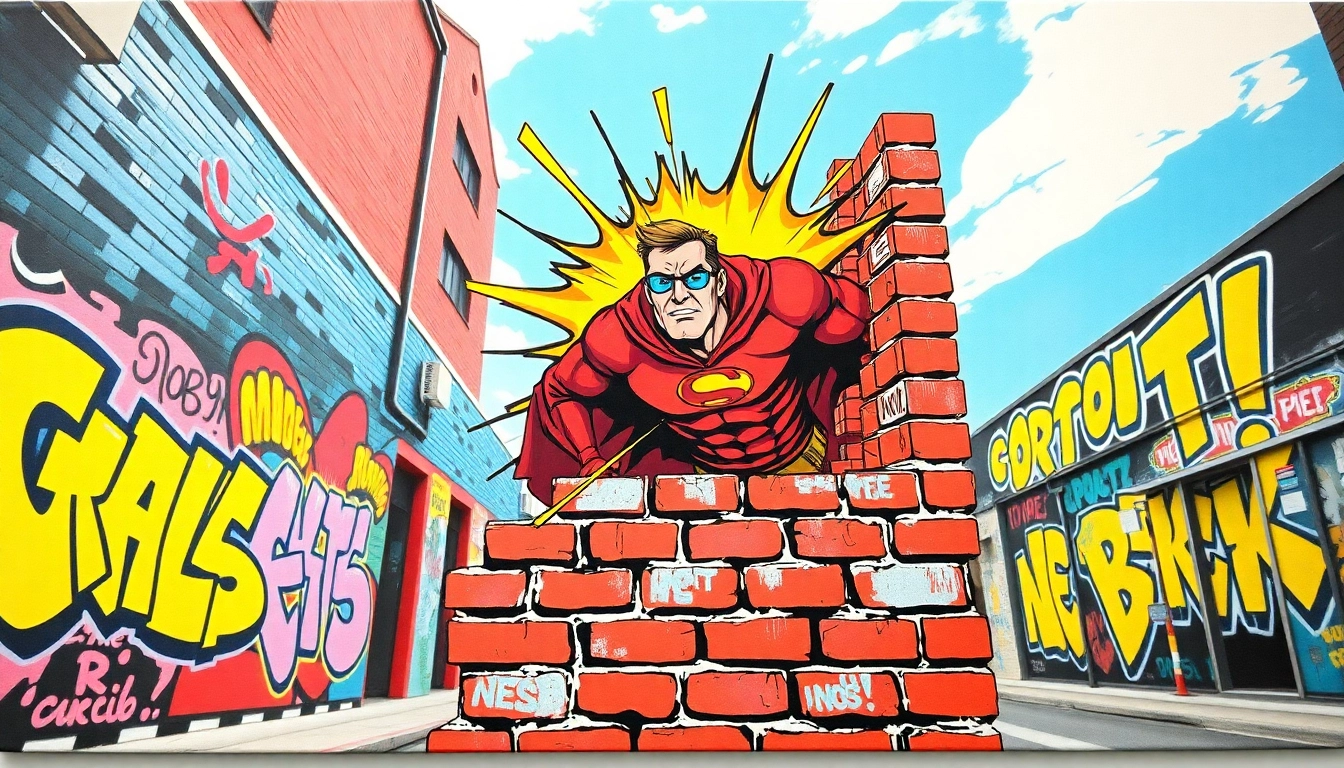
- Street Art Influences: Artists merging pop art with urban culture create graphics that resonate with the younger generation, infusing canvas with raw energy and spontaneity.
How to Match Artwork with Interior Design
Integrating pop art canvas into existing decor can be a rewarding process that enhances the overall aesthetic of your home. Here are some tips to help make cohesive design choices:
- Contrast with Minimalism: In minimalist spaces, a bold pop art canvas can act as a powerful focal point, injecting color and vibrancy.
- Mixing Styles: Combining various artistic styles can create intriguing contrasts. A contemporary piece can coexist with classic furniture, adding depth to the space.
- Creating Galleries: Curating a collection of pop art canvases to form an art gallery wall elevates the decor. Layering different sizes and themes can make for an eclectic view.
Incorporating Pop Art Canvas into Your Home Decor
Once you've chosen the perfect pop art canvas, the next step involves creatively incorporating the artwork into your living spaces. This section provides innovative ideas for showcasing your chosen pop art pieces effectively.
Creative Display Ideas for Impactful Spaces
Displaying pop art canvas art requires creativity to ensure its full potential is realized. Here are some ideas:
- Framed or Unframed: Whether you choose to frame your canvas or let it be free-floating, each option has its unique appeal. A framed piece exudes sophistication, while an unframed one offers a contemporary, casual look.
- Gallery Walls: Group multiple artworks together to create a gallery wall. Mix large and small canvases to add interest and dimension to the display.
- Floating Shelves: Install floating shelves to display canvases at various levels. This adds an interesting visual layer while allowing for easy swapping of artworks.
Using Pop Art Canvas for Themed Rooms
Pop art can be particularly striking in themed rooms. Consider creating a cohesive theme that allures guests and sparks conversation:
- Home Office: Infuse energy into your workspace with pop art canvases that inspire creativity and motivation.
- Children’s Playroom: Bright and engaging pop art pieces can make the space fun and stimulating for children, reflecting their playful spirit.
- Entertainment Spaces: Use pop art to evoke nostalgia or excitement in game rooms or home theaters, capturing the playful essence of these environments.
Layering Accessories with Pop Art Canvas
To create depth and visual intrigue, consider layering decor elements alongside your pop art canvas. Here are some effective strategies:
- Complementary Textiles: Incorporate cushions, throws, and rugs that echo the colors or themes of the artwork, tying the room together.
- Functional Accents: Use furniture pieces or accessories that have a pop culture feel, such as vintage items or retro-styled furnishings, to enhance the overall theme.
- Lighting: Strategic lighting can accentuate key elements of your pop art canvas. Spotlight or soft ambient lighting can create a dramatic effect, enriching the visual display.
Maintaining and Caring for Your Pop Art Canvas
To ensure your pop art canvas continues to impress over the years, regular maintenance and proper care are essential. Here, we share the best practices for preserving your artwork's beauty.
Best Practices for Cleaning and Preservation
The longevity of your pop art canvas is influenced by its environment and maintenance. For optimal care:
- Avoid Direct Sunlight: Excessive sunlight can cause colors to fade. Display your artwork away from direct sunlight to prolong its vibrancy.
- Regular Dusting: Use a soft, dry cloth to gently dust the surface of your canvas. This prevents buildup while ensuring that the colors stay bold and vibrant.
- Temperature and Humidity Control: Exposure to extreme temperatures and humidity can damage canvases. Maintain a stable environment within the home for optimal preservation.
How to Frame and Hang Your Artwork
Framing and hanging your pop art canvas appropriately enhances its visual appeal while providing necessary protection. Here are key steps:
- Selecting the Right Frame: Choose a frame that complements the artwork's characteristics. Minimalist frames may suit modern pieces, while ornate frames work for classical styles.
- Proper Hanging Height: Hang artwork at eye level for the best viewing experience. As a rule of thumb, center the artwork 57 to 60 inches from the floor.
- Securement: Use proper hardware to secure your canvas. Weigh the canvas and select appropriate hooks to ensure stability and safety.
Addressing Common Issues with Pop Art Canvas
Even pop art canvases may encounter challenges over time. Common issues include:
- Fraying Edges: If edges begin to fray, consider wrapping the canvas on wooden stretcher bars or using tape to prevent further wear.
- Fading Colors: To combat fading, ensure your canvas is protected from UV light and dust, and consider using a UV-protective varnish if necessary.
- Water Damage: If water damage occurs, act quickly by allowing the canvas to dry completely and avoiding exposure to moisture moving forward.
Exploring the Future of Pop Art Canvas in Art Trends
As we move into the future, the pop art canvas continues to adapt and evolve in response to cultural shifts and advancements in technology. This section explores key trends shaping the future of pop art and canvas art.
Impact of Digital Art on Traditional Pop Art
The rise of digital art has significantly impacted the sphere of pop art, introducing innovative techniques and new forms of expression. Artists increasingly embrace technology to create immersive experiences and share their work on digital platforms. This digital evolution does not diminish the relevance of traditional media; rather, it complements and expands the canvas possibilities. As artists experiment with digital tools, they generate fresh ideas that redefine the boundaries of pop art.
Emerging Artists in the Pop Art Scene
The pop art landscape is continually refreshed by emerging artists who bring innovative perspectives and techniques. New talents often incorporate contemporary issues, such as environmentalism, identity, and technology, into their work, enriching discussions within the art community. Following these emerging artists helps audiences discover fresh takes on beloved themes while introducing diverse voices to the conversation surrounding pop art.
Future Trends in Pop Art Canvas Designs
Pop art canvas designs are likely to reflect mainstream culture's evolution, including influences from social media, entertainment, and political discourse. Future trends may include:
- Interactive Elements: Integration of interactive or augmented reality components may become commonplace, engaging viewers in dynamic ways.
- Hybrid Art Forms: The merging of traditional pop art with sculpture, textiles, and visual media may drive new approaches to pop art canvas.
- Global Perspectives: As global connectivity increases, artists from various cultural backgrounds will contribute to diverse styles and themes, enriching the global pop art narrative.
In conclusion, the enduring allure of pop art canvas lies in its ability to capture the zeitgeist of contemporary society while engaging viewers in meaningful dialogue. By understanding its historical context, making informed selections, creatively incorporating it into our spaces, and thoughtfully maintaining it, we can truly appreciate the richness that pop art canvas brings to our lives. Embrace the vibrancy, complexity, and unyielding spirit of pop art as you curate your own unique collection.