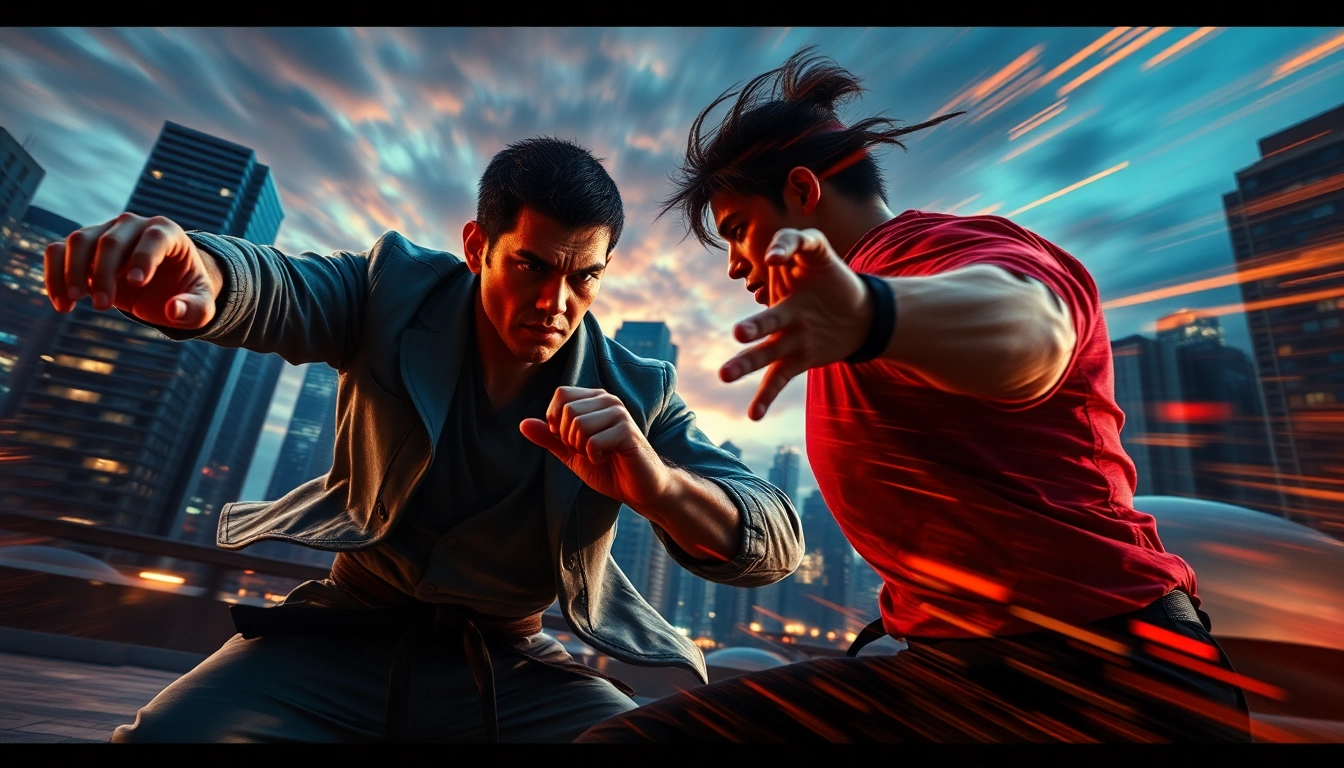
Understanding the Martial Arts Thriller Genre
The Martial Arts Thriller genre is a mesmerizing blend of high-octane action, intricate storylines, and the philosophical depth of martial arts. It encapsulates a world where the stakes are often life and death, and where the elegance of martial techniques meets the intensity of thrilling narratives. From films to literature, this genre has evolved significantly, attracting a diverse audience drawn to its combination of adrenaline-fueled combat and suspenseful storytelling.
Defining Martial Arts Thriller
At its core, a Martial Arts Thriller combines elements from both martial arts films and the thriller genre, focusing on suspenseful storylines that often involve crime, deception, or high-stakes competition. Characters are typically skilled in martial arts, using their abilities to navigate conflicts, defeat adversaries, or accomplish missions. The integration of fight choreography and action sequences adds a dynamic visual element that captivates audiences, making this genre distinct.
Key Characteristics of Martial Arts Thrillers
There are several key characteristics that define the Martial Arts Thriller genre:
- Complex Characters: The protagonists are often skilled fighters who navigate personal and external conflicts, adding depth to their character arcs.
- Tension and Suspense: These stories are built around high-stakes scenarios that keep viewers on the edge of their seats.
- Authentic Fight Choreography: Realistic martial arts techniques and choreography are vital, often showcasing a variety of fighting styles.
- Emotional Depth: Many narratives explore themes such as revenge, honor, and redemption, providing emotional resonance alongside the action.
Evolution of the Genre Over the Decades
Since its inception, the Martial Arts Thriller genre has evolved dramatically. In the 1970s, films like “Enter the Dragon” set the stage by incorporating Western pop culture with Eastern martial arts wisdom. The genre saw a renaissance in the late 1990s and early 2000s with the rise of films like “The Matrix,” which innovatively blended martial arts with science fiction, advancing the genre’s appeal. Today, with advancements in technology and a globalized film market, stories now feature diverse cultural elements, and they continue to push boundaries in both narrative and style.
Essential Elements of a Compelling Martial Arts Thriller
Creating an engaging Martial Arts Thriller requires a nuanced approach, involving several essential elements that contribute to the depth, excitement, and emotional connection of the narrative.
Creating Strong Character Arcs
Character development is crucial in any thriller, and particularly in the Martial Arts Thriller genre. A compelling protagonist often begins with personal flaws or conflicts that they must overcome through their journey. For example, a character might grapple with their past, seeking redemption through their martial arts skills. This internal growth, coupled with the challenges faced during thrilling encounters, creates an emotional investment for the audience.
Integrating High-Stakes Conflict
The plot of a Martial Arts Thriller typically centers around high-stakes conflict, whether it involves a mission to thwart a criminal organization, a personal vendetta, or a quest for justice. This conflict drives the narrative forward and escalates tension, leading characters to confront their fears and ultimately grow. Crafting scenarios where the stakes are not just physical but emotional can further deepen the engagement of viewers.
Choreography and Cinematic Techniques
In the Martial Arts Thriller genre, choreography is an art form. It is essential that fight scenes are not only realistic but also aesthetically pleasing. This can be achieved through various cinematic techniques, such as using dynamic camera angles, slow-motion effects, and carefully timed cuts. Furthermore, the choreography should serve the story, enhancing the narrative rather than distracting from it. The closely choreographed scenes allow for breath-taking visuals, making the overall viewing experience captivating.
Top Martial Arts Thriller Tropes and Clichés
While tropes in storytelling can sometimes be perceived as cliché, they often provide a familiar framework within which the narrative unfolds. In Martial Arts Thrillers, certain tropes are prevalent but can also be skillfully subverted to provide fresh perspectives.
Exploring Common Plot Devices
Common plot devices in the Martial Arts Thriller genre include the “reluctant hero,” the “dark mentor,” and the “ultimate showdown.” The reluctant hero often possesses exceptional skills but must be persuaded to embrace their abilities. The dark mentor may guide the protagonist on their journey but often has a questionable motive. Lastly, the ultimate showdown typically requires a confrontation between the protagonist and their nemesis, encapsulating the essence of conflict in the story.
Subverting Expectations in Storytelling
While relying on familiar tropes can engage audiences, subverting these expectations can offer a refreshing narrative experience. For example, instead of the conventional savior role, a character might suffer consequences for their violent actions, leading to a deeper exploration of moral themes. This allows for a more thought-provoking narrative that challenges traditional storytelling structures.
Examples of Effective Tropes
One notable example of effective trope use is the “last mission” scenario, frequently seen in films where the protagonist undertakes a seemingly impossible task as their final act before retirement. This trope not only escalates tension but also carries the weight of past regrets and the promise of closure. Another compelling example revolves around the motive for vengeance, where a character’s personal loss drives them to confront powerful adversaries, highlighting themes of justice and retribution.
How to Write an Engaging Martial Arts Thriller
Writing a Martial Arts Thriller is a unique challenge that requires a balance of creativity and research. Successful authors immerse themselves in both martial arts and storytelling techniques, ensuring authenticity in their narratives.
Researching Martial Arts Techniques
It is essential for writers to have a thorough understanding of the martial arts combat styles they wish to incorporate into their narratives. This includes understanding the philosophy behind each style, as well as its techniques and applications in different scenarios. Interviews with martial arts practitioners or training in basic techniques can provide invaluable insights, allowing storytellers to portray fight scenes with authenticity and respect.
Building Tension Through Pacing
Pacing is critical in a thriller, as it influences the story's tension and viewer engagement. Writers should carefully structure their narratives to build suspense, alternating between high-action scenes and quieter moments for character development. Cliffhangers and unexpected twists can further enhance pacing, keeping readers hooked from start to finish. Strategically placing these elements throughout the narrative helps maintain a consistent rhythm, ensuring the audience remains engrossed in the story.
Crafting Compelling Fight Scenes
Fight scenes must serve the story and be carefully crafted to enhance character development and plot progression. A well-written fight scene balances choreography, setting, and character motivations. Writers should focus on the stakes involved in each confrontation, ensuring that every blow and counter has relevance to the overarching narrative. Descriptive language that communicates the physicality of the action while also revealing the emotional stakes can elevate these sequences from mere spectacle to cornerstones of the narrative.
Future Trends in Martial Arts Thriller Productions
The Martial Arts Thriller genre is poised to evolve in exciting ways as influences from technology, societal changes, and global cinema continue to shape storytelling.
Influence of Streaming Platforms on Genre
Streaming platforms have revolutionized the film industry, leading to increased accessibility and a greater variety of content. This shift allows for the exploration of niche genres like the Martial Arts Thriller, catering to a global audience. Producers are now able to invest in diverse stories that might not have gained traction in traditional cinema. As a result, viewers can experience fresh narratives and unique perspectives that broaden the appeal of the genre.
Representation and Diversity in Storylines
As global audiences demand more representation, the Martial Arts Thriller genre is increasingly reflecting diverse cultures and stories. Incorporating different martial arts styles from various regions not only enriches the narratives but allows for a more authentic representation of the art forms themselves. Bringing diverse characters to the forefront pushes the boundaries of storytelling and highlights the universal themes of resilience and honor found in martial arts traditions across the world.
Innovative Technologies in Filmmaking
Technological advancements in filmmaking, such as CGI and motion capture, are influencing how martial arts are portrayed in films. These technologies allow filmmakers to create visually stunning action sequences that may not be feasible through traditional means. Additionally, virtual reality and interactive storytelling could present new avenues for viewer engagement, potentially leading to immersive experiences where audiences can explore these high-stakes narratives in novel ways.