Understanding Water Lilies: Nature’s Aquatic Gem
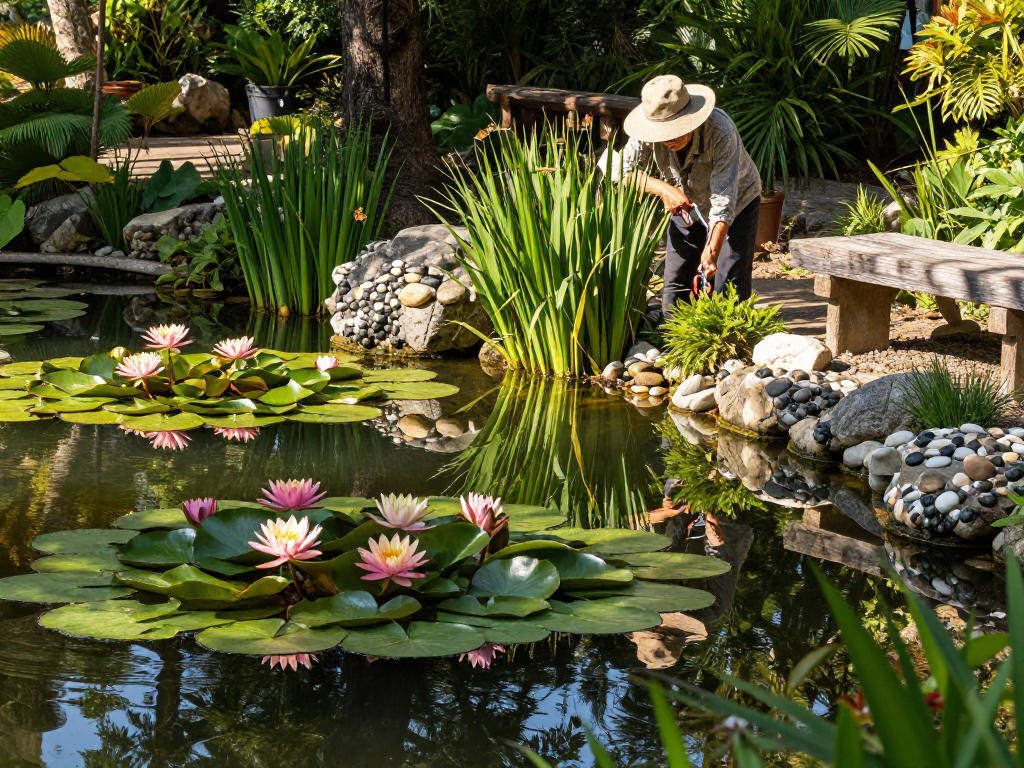
Water lilies are not just stunning aquatic plants; they play a pivotal role in the health and beauty of garden ponds. Known for their large, vibrant flowers and lush, floating leaves, these plants create a serene atmosphere in any aquatic landscape. As we delve deeper into the fascinating world of Water Lilies, we will explore their varieties, ecological significance, and the common misconceptions surrounding them.
What Are Water Lilies and Their Varieties?
Water lilies belong to the family Nymphaeaceae and are native to various regions around the world. They are distinguished by their floating leaves and large, fragrant blossoms that can vary significantly in color—from pure white to vibrant pinks and yellows. The most common varieties include:
- Hardy Water Lilies: These are the most popular types for garden ponds, thriving in a variety of climates. Their blossoms typically appear in late spring and can last until the first frost.
- Tropical Water Lilies: Known for their larger and more vibrant flowers, these varieties require warmer temperatures and are often grown in more tropical settings.
- Miniature Water Lilies: Ideal for small ponds or containers, these compact plants are perfect for limited spaces while still providing beauty and interest.
The Role of Water Lilies in Ecosystems
Water lilies serve essential functions in aquatic ecosystems. They provide shade, helping to keep pond water cooler and oxygen-rich, which benefits fish and other aquatic life. Their broad leaves offer shelter for fish and invertebrates, while their roots stabilize sediment, reducing erosion and water turbidity. By acting as a natural filter, they also help maintain water clarity, which is vital for all life forms depending on this habitat.
Common Misconceptions About Water Lilies
Despite their beauty and ecological benefits, several misconceptions about water lilies persist. One common belief is that they are invasive. While they can spread rapidly, when managed properly, they do not pose a threat to local ecosystems. Another misconception is that water lilies require high maintenance; however, with the right planting techniques and care, they can be incredibly low-maintenance.
Choosing the Right Water Lilies for Your Garden
Choosing the right water lily for your pond can make all the difference in achieving a harmonious aquatic landscape. Consider the following factors to ensure you select the perfect variety:
Factors to Consider When Selecting Water Lilies
- Pond Size: Assess your pond's dimensions to determine the appropriate size of the water lily. Larger ponds can accommodate varieties that spread significantly, while smaller ponds may require miniatures.
- Climate: Your local climate will dictate whether you should opt for hardy or tropical varieties. Hardy water lilies thrive in temperate climates, while tropical species need warmth and full sun.
- Sunlight Exposure: Most water lilies prefer full sun (at least 6 hours of direct sunlight), so ensure your pond area receives adequate light.
Top Water Lilies for Small and Large Ponds
When selecting water lilies, certain varieties stand out based on pond size:
- For Small Ponds: Look for White Pearl or Lemon Twist, both of which are compact and produce stunning blooms without overwhelming the space.
- For Large Ponds: Consider Henry M. Stanley, a robust performer with large, fragrant blooms that can dominate a spacious area.
How to Match Water Lilies with Your Pond Environment
To create a cohesive look in your pond, consider the surrounding landscape and existing plant life. Pairing water lilies with marginal plants, such as rushes and sedges, can enhance their aesthetic appeal. Pay attention to color contrasts and plant heights to achieve a natural flow in your aquatic design.
Best Practices for Water Lily Care and Maintenance
The health of your water lilies is crucial for creating a vibrant pond environment. Here are some best practices to ensure their longevity and beauty:
Essential Care Tips for Healthy Water Lilies
- Regular Monitoring: Check your water lily plants frequently for signs of distress, such as yellowing leaves or reduced blooms, to catch issues early.
- Water Management: Keep your pond water clean and adequately managed. Avoid chemical treatments that can harm your aquatic plants.
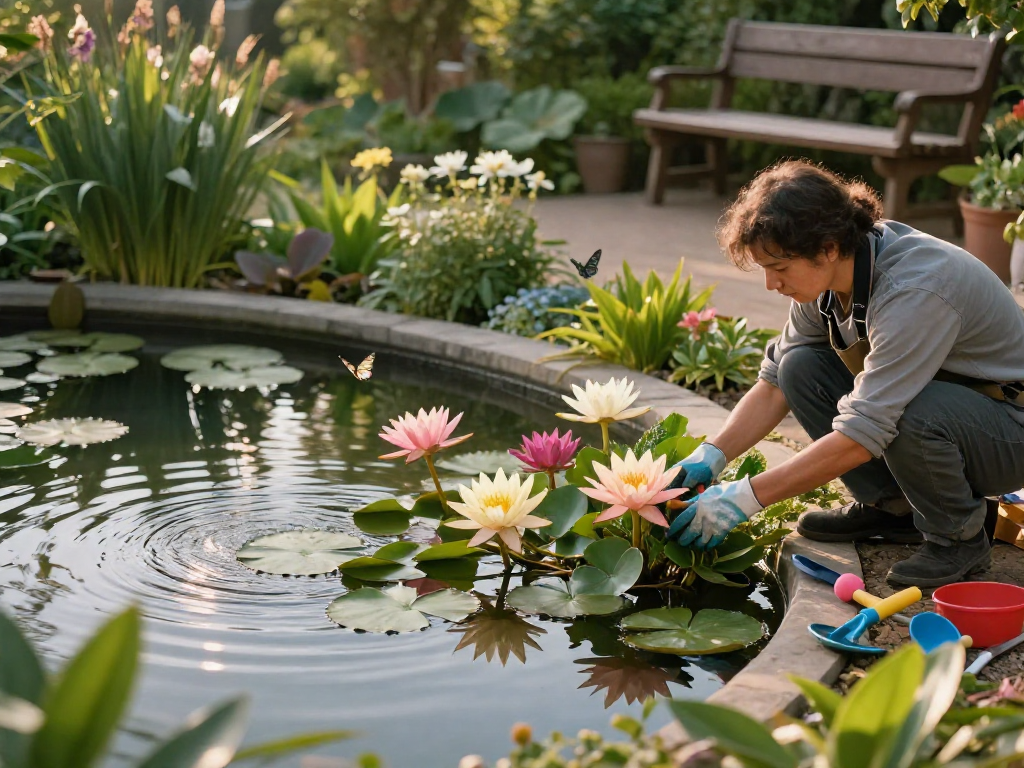
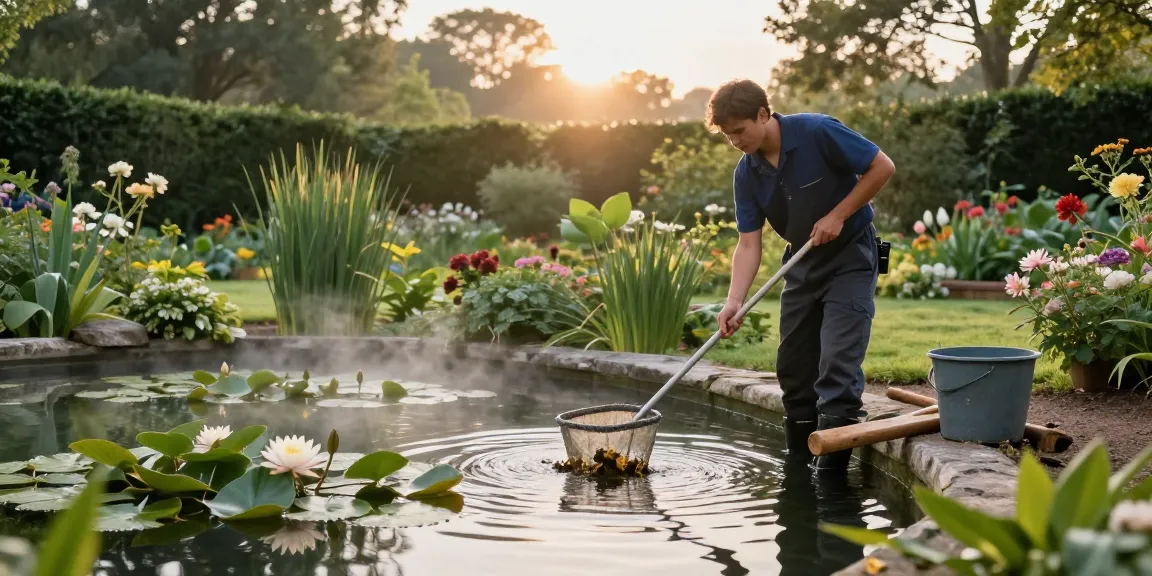
- Seasonal Pruning: Trim dead or decaying leaves and spent flowers regularly to encourage new growth.
Fertilizing Techniques for Optimal Growth
To promote lush foliage and vibrant blooms, consider using a slow-release aquatic fertilizer. Apply it according to the manufacturer's guidelines, typically in the spring as growth begins. Avoid over-fertilization, which can lead to excessive algae growth and unhealthy water conditions.
Dealing with Pests and Diseases
Water lilies can sometimes fall victim to pests such as aphids and caterpillars. Monitor your plants regularly and remove pests manually when spotted. For diseases, ensure good water quality and adequate sunlight to prevent fungal issues. If problems persist, consider using organic treatments or consulting a pond expert.
Creating the Perfect Pond Aesthetic with Water Lilies
Water lilies not only enhance the beauty of your pond but also contribute to a tranquil atmosphere. Below are some design ideas for incorporating these stunning plants:
Design Ideas for Incorporating Water Lilies
- Layering Plants: Position water lilies in the deepest areas of your pond, with shorter marginal plants around the edges to create depth and visual interest.
- Floating Arrangements: Consider planting in containers to allow for mobility and change in arrangement as needed.
Complementary Plants and Flowers for Your Pond
To further enhance the visuals of your pond, pair water lilies with complementary aquatic plants such as Pickerel Rush and Blue Flag Iris. These plants not only add color but also provide additional habitat for wildlife.
Enhancing Pond Features with Water Lilies
Beyond aesthetics, consider incorporating hardscaping features such as rocks or fountains around your water lilies. This complements their natural beauty and adds a dynamic element to your pond design.
The Future of Water Lilies in Aquatic Gardening
The future of water lilies in gardening is promising, with innovative practices and sustainability considerations coming to the forefront. Here's what to expect as we progress toward 2026:
Emerging Trends for 2026 in Water Lily Varieties
As breeders continue to innovate, we can expect to see more unique hybrids that offer improved color, size, and disease resistance. New introductions may include varieties with enhanced fragrance and compact growth suitable for smaller gardens.
Climate Change and Its Impact on Water Lilies
Climate change presents challenges and opportunities for water lilies. Some species may thrive in changing conditions while others may be at risk. Gardeners must remain adaptable, adjusting their care practices and plant selections as conditions evolve.
Innovative Approaches to Water Lily Cultivation
New cultivation techniques, such as hydroponics and vertical gardening adaptations, may emerge, allowing enthusiasts to grow water lilies even in urban areas with limited space.
How Do Water Lilies Benefit Local Wildlife?
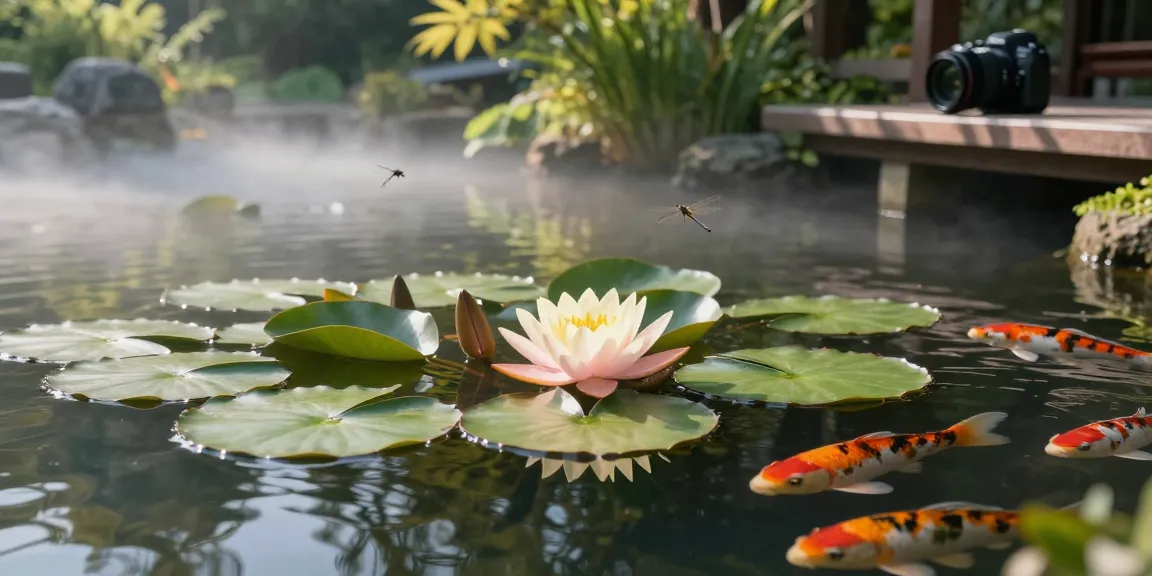
Water lilies provide vital habitats for countless aquatic creatures. Frogs, dragonflies, and various fish species find refuge among the leaves and roots, promoting biodiversity in your pond ecosystem.
What Are the Best Conditions for Water Lily Growth?
For optimal growth, water lilies require still water, full sunlight, and nutrient-rich soil. Maintaining a pH level between 6.0 and 7.5 will support their health and flowering potential.
How Can I Propagate My Water Lilies Successfully?
Propagation can be achieved through division. Wait until the plant is dormant in late fall, then carefully split the rhizome into sections with at least one bud each. Replant them immediately to ensure successful growth.
Can Water Lilies Survive Winter in My Pond?
Hardy water lilies can survive winter in temperate zones by sinking to the bottom of the pond, while tropical varieties will need to be overwintered indoors or in heated greenhouses to survive cold temperatures.
What Are the Common Pests That Affect Water Lilies?
Aphids, spider mites, and slugs are common pests that can threaten water lilies. Implementing natural deterrents such as introducing beneficial insects or using neem oil can help keep pest populations under control.