

Understanding Japanese Knotweed: An Overview
What is Japanese Knotweed?
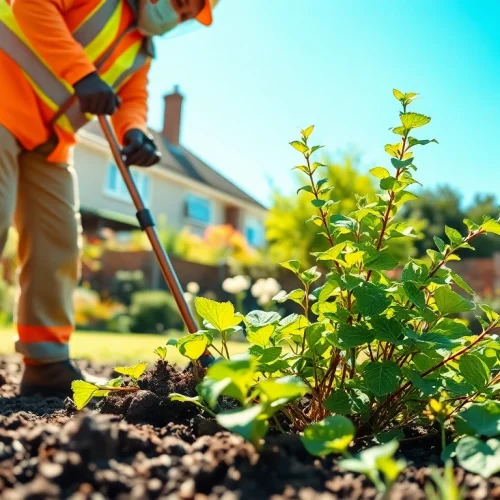
Japanese Knotweed (Fallopia japonica), a perennial plant native to East Asia, is known for its rapid growth and resilience. This weed can reach heights of up to 10 feet, developing hollow stems similar to bamboo. Its broad, heart-shaped leaves provide significant ground cover, making it visually imposing. However, the real issues posed by this plant extend well beyond its appearance. Originally brought to the UK in the 19th century for ornamental purposes and erosion control, Japanese Knotweed has since become a notorious invasive species, wreaking havoc on local ecosystems.
Why is Japanese Knotweed a Problem?
Japanese Knotweed’s aggressive growth pattern enables it to outcompete native vegetation, leading to a significant decline in biodiversity. One of its most problematic characteristics is its ability to penetrate structures through cracks in walls, driveways, and foundations, causing extensive damage that can undermine property integrity. Moreover, Japanese Knotweed is notoriously difficult to eradicate; even small root fragments can regenerate, making control efforts a daunting task. This invasive species can diminish property values and complicate sales and mortgage approvals.
Signs of Infestation and Early Detection
Detecting Japanese Knotweed early can prevent larger infestations and mitigate associated damages. Some signs to look for include:
- Thick, bamboo-like stems that emerge in the spring.
- Large, green leaves in a zigzag pattern along the stem.
- White flowers blooming between August and September, typically in clusters.
- The presence of dead, hollow stems from the previous year, visible in winter.
Regular inspections of your property, especially in early spring, are vital in identifying and addressing Japanese Knotweed infestations promptly. Japanese Knotweed Removal strategies can be planned more effectively when the weed is caught early.
Methods of Japanese Knotweed Removal
Chemical Treatments Explained
Chemical treatments are one of the most commonly used methods for controlling Japanese Knotweed. These treatments typically involve the application of herbicides that target the plant’s specific growth systems. Glyphosate is a widely used active ingredient in many commercial herbicides. Here’s how it works:
- Systemic Action: Glyphosate is absorbed by the leaves and travels throughout the plant, including the roots. This systemic action gives it the potential to kill the entire plant.
- Timing: The best time to apply these herbicides is during the growing season, ideally from late spring to early summer when the plant is most active.
- Multiple Applications: One treatment often isn’t enough; multiple applications may be necessary for effective eradication.
It’s essential to apply these chemicals according to the manufacturer’s recommendations and consider any environmental implications, such as runoff into nearby water sources.
Mechanical Removal Techniques
Mechanical removal includes various physical methods to eliminate Japanese Knotweed. This may involve:
- Excavation: This method requires digging up the entire root system. It must extend 7 meters from the plant’s visible structure to ensure that all potential roots are removed.
- Cutting: Regularly cutting the stems can reduce energy reserves in the roots, but it requires persistence and repeated efforts over several years to be effective.
- Disposal: Proper disposal of the removed plant material is crucial, as it cannot be composted or discarded in regular waste due to its invasive nature.
While mechanical methods may provide immediate results, they are often less effective in total eradication without support from chemical treatments or biological controls.
Biological Control Options
Biological control is an emerging option for managing Japanese Knotweed. This involves utilizing natural predators or diseases to control the plant’s growth. Some options include:
- Insect Introductions: Certain insects, such as the Japanese Knotweed psyllid (Aphalara itadori), have been studied for their potential to weaken the plant.
- Fungal Applications: Specific fungi could target Japanese Knotweed, inhibiting its growth while sparing native flora.
However, biological control methods require extensive research and careful implementation to avoid unintended consequences on local ecosystems.
Best Practices for Effective Japanese Knotweed Management
Preventing Regrowth After Removal
To prevent regrowth after removal efforts, it’s crucial to monitor the site regularly. Some best practices include:
- Implement remediation techniques, including soil conditioning or reseeding with native plants to recover the area.
- Continue monitoring for new shoots emerging from residual roots or seeds for at least five years following treatment.
Proper Disposal Methods for Knotweed Debris
Proper disposal of Japanese Knotweed is essential to prevent its spread. Waste must be:
- Bagged securely to prevent fragments from falling out during transport.
- Taken to a licensed landfill that can handle invasive plant materials.
- Documented to prove compliance with local regulations regarding invasive species.
Monitoring and Maintenance Guidelines
Ongoing monitoring is vital in effectively managing Japanese Knotweed:
- Establish a maintenance schedule, including regular inspections of the site for any new growth.
- Educate neighbors and stakeholders about preventing the spread of Japanese Knotweed.
Documentation of findings can help provide valuable insight into the effectiveness of the management plan.
Legal Considerations Surrounding Japanese Knotweed Removal
Property Owner Responsibilities
Property owners are responsible for managing Japanese Knotweed on their land. Failure to do so can lead to liabilities, especially if it spreads to neighboring properties or public spaces. Homeowners should:
- Be proactive in identifying and treating infestations.
- Inform neighbors about any known infestations to foster a collaborative approach to management.
Environmental Regulations and Compliance
Many regions have specific regulations surrounding the handling and disposal of Japanese Knotweed. Compliance includes:
- Obtaining necessary permits for removal if required.
- Following local guidelines on disposal to avoid fines or legal complications.
Impact on Property Value
Japanese Knotweed can significantly affect property values. A reported infestation may deter potential buyers and complicate mortgage applications. Clear documentation of treatment and management plans can help mitigate these effects and reassure buyers of the property’s condition.
Frequently Asked Questions about Japanese Knotweed Removal
What are the health risks associated with Japanese Knotweed?
Japanese Knotweed itself poses minimal health risks. However, it can lead to structural damage that may jeopardize safety and property stability.
How long does it take to eradicate Japanese Knotweed?
Eradicating Japanese Knotweed can take 3 to 5 years, depending on the method used and the extent of the infestation.
Is DIY Japanese Knotweed removal effective?
DIY removal can be challenging due to the plant’s resilience. Professional methods are often more reliable and thoroughly effective.
What are the costs involved in professional removal?
Costs can vary widely based on the extent of the infestation, location, and chosen method, typically ranging from a few hundred to several thousand dollars.
How can I prevent Japanese Knotweed from returning?
Regular monitoring and immediate treatment of new growth are vital. Employing preventative landscaping can also help avoid resurgence.


