
Understanding Lighting Solutions
Definition of Lighting Solutions
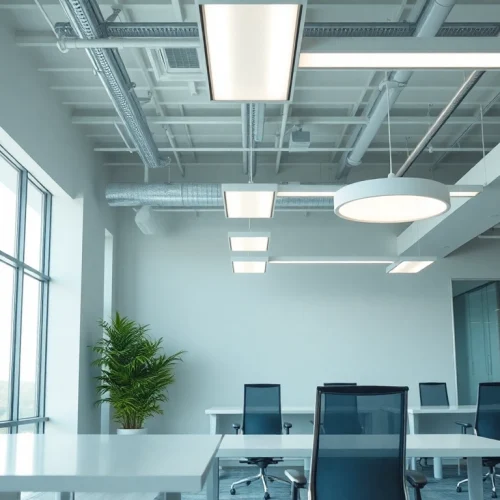
Lighting solutions encompass a variety of systems designed to provide illumination in various environments, whether residential, commercial, or industrial. These solutions are tailored to enhance visibility, safety, and aesthetics while accommodating diverse practical needs. The term can refer to anything from basic light fixtures to sophisticated, smart lighting setups that adapt to the user’s preferences and environmental conditions. The essence of lighting solutions is to transform spaces, enabling functionality while also creating ambiance.
Importance of Lighting in Environments
Effective lighting plays a crucial role in enhancing both the functionality and aesthetics of a space. In workplaces, proper lighting can substantially increase productivity by reducing eye strain and diminishing fatigue. Conversely, in residential settings, lighting can influence mood, set a welcoming tone, and highlight architectural features. Furthermore, safety is greatly improved with adequate lighting, as it helps prevent accidents and ensures visibility in critical areas. The impact of lighting goes beyond mere illumination; it shapes how we interact with our environment.
Types of Lighting Solutions Available
There are three primary types of lighting solutions, each serving a distinct purpose:
- Ambient Lighting: This is the general illumination of a space, providing a uniform level of light overall. It can be provided through fixtures such as ceiling-mounted lights, chandeliers, or natural light sources like windows.
- Task Lighting: This type is focused on specific areas to assist in particular tasks like reading, cooking, or working. Examples include desk lamps, under-cabinet kitchen lights, and focused pendant lights.
- Accent Lighting: Accent lighting is designed to highlight certain features or areas within a space, such as artwork, plants, or architectural details. It uses fixtures such as wall sconces or track lighting to draw attention to these elements.
Benefits of Effective Lighting Solutions
Enhancing Productivity with Proper Light
Research has consistently shown that the proper lighting in workplaces can enhance productivity significantly. Well-lit environments reduce errors and improve attentiveness. For instance, natural light has been linked to higher employee satisfaction and performance. In contrast, poorly lit conditions contribute to fatigue and decreased motivation. Businesses that implement thoughtful lighting solutions can create workspaces that boost efficiency and overall morale.
Health Benefits of Quality Lighting
The health implications associated with lighting are profound. Quality lighting solutions not only help in reducing eye strain but also play a significant role in regulating circadian rhythms, which can impact sleep and overall mental health. Exposure to blue light from artificial sources, especially after dusk, can disrupt these rhythms, making proper lighting management essential. Wellness-focused lighting solutions that mimic natural light are becoming increasingly popular in various settings for their positive effects on people’s health.
Energy Efficiency in Lighting Solutions
In an increasingly eco-conscious world, energy efficiency in lighting solutions cannot be overstated. LED technology has revolutionized the industry by providing long-lasting, energy-efficient alternatives to traditional incandescent bulbs. By investing in sustainable lighting solutions, businesses and homeowners can reduce their energy bills significantly while contributing to environmental conservation. Energy-efficient lighting not only lowers costs but also enhances the quality of light, making spaces feel brighter and more inviting.
Choosing the Right Lighting Solutions
Factors to Consider for Selection
Selecting the appropriate lighting solutions requires careful consideration of several factors:
- Purpose: Determine the primary activities that will occur in the space. This will influence the type of lighting needed, from general overview to focused task lighting.
- Design Aesthetics: The chosen lighting should complement the overall design of the environment, making it essential to consider color schemes and styles.
- Energy Efficiency: Evaluate the energy consumption of different options, focusing on long-term costs versus initial investments.
How to Match Lighting to Your Space
Matching lighting to a specific space involves understanding its dimensions, layout, and color. For instance:
- A large, open area may benefit from layered lighting solutions combining ambient and accent lights.
- Small spaces often require brighter, focused lighting to enhance the available light and make the area feel more expansive.
- Consider the color of the walls; lighter colors reflect more light, allowing for reduced wattage in fixtures.
Trends in Lighting Solutions for 2024
The landscape of lighting solutions is continually evolving, with several exciting trends for 2024 that can enhance spaces:
- Smart Lighting: Integrations with smart home systems are becoming mainstream, allowing users to control lighting via smartphones or voice-activated devices.
- Biophilic Design: This trend emphasizes designs that connect people with nature, utilizing natural light and organic materials in lighting fixtures.
- Color Temperature Control: Adjustable color temperature enhancements are gaining popularity, permitting users to switch from warm to cool light depending on the time of day or activity.
Installation and Maintenance of Lighting Solutions
Steps for Proper Installation
Proper installation of lighting solutions involves several essential steps:
- Planning: Assess the space and determine the type of lighting needed based on layout and purpose.
- Wiring: Ensure that all electrical wiring is up to code and capable of handling the load of new fixtures.
- Fixture Installation: Follow manufacturer instructions for lighting fixture installation, ensuring they are securely mounted and correctly connected to the power source.
- Testing: Once installed, test all fixtures to ensure they are functioning properly before finalizing the installation process.
Maintaining Lighting Solutions for Longevity
To keep lighting solutions functioning optimally, routine maintenance is necessary. Key maintenance practices include:
- Regular cleaning of fixtures to remove debris and dust.
- Checking for burnt-out bulbs or dimming lights and replacing them promptly.
- Reviewing electrical connections occasionally to ensure safety and efficiency.
Common Mistakes to Avoid in Installation
Several pitfalls can detract from the effectiveness of lighting installations:
- Overly bright or inadequate lighting can result from poorly planned fixtures.
- Ignoring the function of spaces can lead to ineffective task lighting and ambient issues.
- Skipping maintenance leads to reduced lifespan and increased costs due to frequent replacements.
Measuring Performance of Lighting Solutions
Key Metrics for Performance Evaluation
To assess the effectiveness of lighting solutions, several key metrics should be monitored:
- Lumens: This measures the total amount of visible light emitted by a fixture, determining its brightness.
- Color Rendering Index (CRI): High CRI values (close to 100) indicate that colors will appear more natural under the light.
- Wattage: This metric helps evaluate energy consumption, allowing for comparisons between different types of lighting.
Tools for Measuring Light Effectiveness
A variety of tools can be utilized to measure the performance of lighting solutions:
- Light Meters: These devices measure illuminance levels in lux or foot-candles, helping assess whether illumination meets desired standards.
- Color Accuracy Testers: These tools evaluate the color rendering of lights, ensuring that they provide accurate representations of colors.
Improving Performance Based on Evaluation
Once measurements are taken, performance can be improved through several strategies:
- Adjusting fixture placement to optimize distribution and eliminate shadows.
- Adding task lighting in specific areas where additional brightness is required.
- Switching to higher-efficiency bulbs that provide improved illumination with lower energy use.
FAQs About Lighting Solutions
What are lighting solutions?
Lighting solutions refer to various types of lighting systems designed to enhance visibility and ambiance in spaces.
Why are lighting solutions important?
They improve productivity, create a comfortable atmosphere, and can significantly influence mood and energy efficiency.
What types of lighting solutions are available?
Common types include ambient, task, and accent lighting, each serving a unique purpose in a space.
How can I choose the right lighting solution?
Consider the purpose of the space, design aesthetics, and energy efficiency when selecting lighting solutions.
What maintenance do lighting solutions require?
Regular cleaning, checking for burnt-out bulbs, and ensuring fixtures are functioning properly are key maintenance activities.
In the context of creating optimal environments, integrating effective lighting solutions cannot be overstated. They not only enhance productivity and well-being but also create an inviting atmosphere conducive to success.