
Maintaining flawless surfaces is more than just aesthetics it reflects quality, care, and longevity. From walls and furniture to vehicles, surfaces are constantly exposed to wear, scratches, and chips. Choosing the best paint repair strategies ensures these damages are corrected efficiently, extending the life of the surface while preserving its appearance. Repairing paint might seem simple, but achieving professional-quality results requires knowledge, precision, and attention to detail. Early intervention is crucial, as minor imperfections left untreated can lead to peeling, fading, or structural damage over time.
- Understanding the Importance of Paint Repair
- Key Tools and Materials for Best Paint Repair
- Color Matching – Achieving a Seamless Finish
- Techniques for Different Surface Types
- Advanced Paint Repair Tips for Longevity
- Common Mistakes to Avoid in Paint Repair
- DIY vs. Professional Paint Repair
- Eco-Friendly and Sustainable Repair Practices
- Conclusion
Understanding the Importance of Paint Repair
Paint is more than a decorative element; it acts as a protective barrier. Surfaces without proper paint repair can suffer from:
- Moisture damage: Water can seep into cracks or chips, leading to warping or mold.
- Oxidation and rust: Particularly for vehicles and metal surfaces, exposed areas are vulnerable.
- Decreased aesthetic value: Small scratches or fading can quickly make a property or object appear neglected.
Using the best paint repair methods not only restores the visual appeal but also reinforces the durability of surfaces, whether it’s furniture, walls, or automobiles. Investing in proper repair techniques minimizes long-term costs while maximizing results.
Key Tools and Materials for Best Paint Repair
Successful paint repair begins with the right materials. Professionals recommend the following for achieving seamless results:
- High-quality sandpaper: For smoothing rough or damaged areas.
- Putty or filler: Essential for filling chips, dents, or deep scratches.
- Primer: Enhances adhesion and ensures even coverage.
- Paint: Selecting professional-grade paint ensures durability and true color matching.
- Paintbrushes, rollers, and spray guns: The choice of application tool depends on the project type.
- Clear coat or sealant: Protects the surface after repair, adding shine and longevity
Selecting the right materials is critical. Low-quality paints or primers can result in uneven finishes, fading, or peeling shortly after application.
Surface Preparation – The Foundation of Effective Repair
The step most often overlooked in paint repair is surface preparation. Without proper prep, even the best paints cannot adhere correctly. The process includes:
- Cleaning the area: Remove dirt, grease, and dust using a mild detergent.
- Sanding: Smooth out rough patches and remove peeling paint. Sanding also helps the new paint bond effectively.
- Filling imperfections: Apply putty to dents or chips, allowing it to dry fully before sanding it flush with the surface.
- Priming: Apply a primer to ensure even coverage and enhance color vibrancy.
Thorough surface preparation ensures that repaired areas blend seamlessly with the surrounding surface, creating a uniform, professional finish.
Color Matching – Achieving a Seamless Finish
One of the most critical aspects of paint repair is achieving accurate color matching. Poor color matching is immediately noticeable and can undermine the quality of the repair. Tips for precise color matching include:
- Use original paint codes: Many surfaces, especially vehicles, have manufacturer color codes that ensure an exact match.
- Test in natural light: Paint can look different under artificial lighting, so checking in daylight helps prevent mismatched tones.
- Blend with surrounding areas: Feathering edges and blending layers ensures the repair appears seamless.
Accurate color matching is an essential element of the best paint repair, as it directly impacts the visual appeal and professional look of the surface.
Techniques for Different Surface Types
Different surfaces require tailored repair methods to achieve the best results:
1. Walls and Ceilings:
- Patch small holes or scratches with spackling compound.
- Sand smooth and apply a primer before painting.
- Use rollers for large areas and brushes for edges to maintain a uniform texture.
2. Furniture:
- Remove old varnish or paint to expose the original surface.
- Use wood filler for scratches or dents.
- Apply stain or paint in thin layers, finishing with a protective topcoat for longevity.
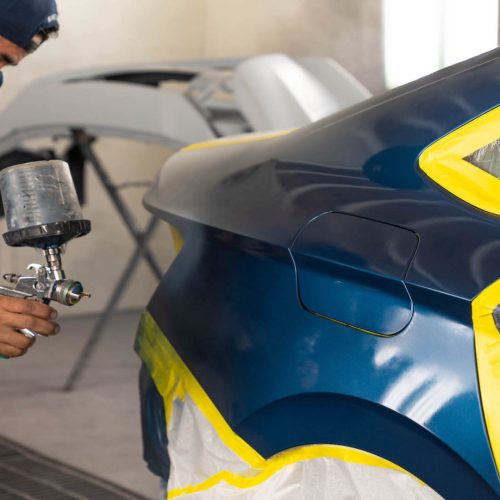
3. Vehicles:
- Clean the damaged area thoroughly to remove contaminants.
- Sand and apply automotive primer.
- Use color-matched automotive paint in thin coats, followed by a clear coat for durability and shine.
Tailoring techniques to the surface ensures a professional, long-lasting repair that looks natural.
Advanced Paint Repair Tips for Longevity
Achieving durable results requires more than just applying paint. Experts suggest:
- Multiple thin layers: Applying several thin coats instead of one thick coat reduces cracking and ensures smooth coverage.
- Allow proper drying times: Rushing the process can lead to peeling or uneven texture.
- Use protective coatings: Sealants or clear coats extend the life of repairs and protect against UV damage or moisture.
- Maintain repaired areas: Regular cleaning and inspection help catch minor damage before it escalates.
Incorporating these strategies ensures that repairs not only look impeccable but also withstand wear and tear.
Common Mistakes to Avoid in Paint Repair
Even experienced individuals can make errors that compromise results. Common pitfalls include:
- Skipping surface preparation.
- Using mismatched or low-quality paint.
- Applying paint too thickly.
- Ignoring primer, leading to uneven adhesion.
- Neglecting proper blending techniques.
Avoiding these mistakes ensures the repair looks professional and lasts longer, reinforcing the value of using best paint repair methods.
DIY vs. Professional Paint Repair
While many minor repairs can be performed by enthusiasts, some projects demand professional expertise. Consider professional services when:
- The surface area is large or complex.
- Precision color matching is critical.
- Repairing vehicles or high-value furniture.
- Previous repairs failed due to poor technique or low-quality materials.
Professional intervention often provides superior results and saves time, particularly for intricate projects or high-visibility surfaces.
Eco-Friendly and Sustainable Repair Practices
Modern paint repair is increasingly focusing on sustainability. Eco-conscious methods include:
- Using low-VOC or water-based paints to reduce harmful emissions.
- Recycling or properly disposing of old paint and materials.
- Choosing durable materials to minimize frequent repairs.
Sustainable approaches align with responsible practices while maintaining high-quality finishes.
Conclusion
Mastering the best paint repair techniques transforms damaged surfaces into visually appealing and durable assets. From proper surface preparation and color matching to precise application methods, every step contributes to professional-quality results. Whether restoring furniture, walls, or vehicles, these strategies ensure repairs are long-lasting, aesthetically pleasing, and cost-effective. Investing time and attention in paint repair not only enhances appearance but also protects the surface for years to come. Applying these proven techniques allows anyone to achieve flawless finishes and maintain surfaces that impress in both residential and commercial settings. Rolling Arts Group offers expertise and guidance to help achieve these results with precision and lasting quality.