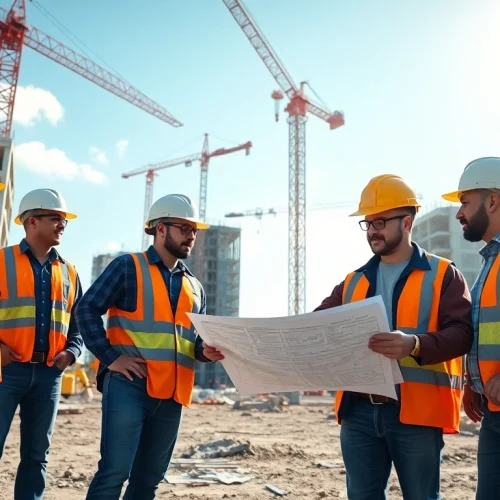


Understanding Construction Workforce Development
Definition of Construction Workforce Development
Construction workforce development refers to the comprehensive strategies employed to enhance the skills, knowledge, and capabilities of those engaged in the construction industry. This encompasses a range of activities, including recruitment, training, retention, and progression of individuals within various roles in the sector. By aligning training programs with the current needs of the market, organizations can ensure that the workforce is adequately prepared to meet the evolving demands of construction projects. Ultimately, effective construction workforce development focuses not just on immediate skill gaps but also anticipates future industry trends and technologies.
Importance of a Skilled Workforce
A skilled workforce is essential for several reasons. First, it guarantees safety on job sites — workers trained in industry standards and practices are less likely to cause accidents. Second, skilled professionals contribute to improved project efficiency and quality, which can significantly impact timelines and budgets. Moreover, as the construction industry faces increased scrutiny regarding sustainability and environmental impacts, workers equipped with the latest knowledge in green building practices are invaluable. Lastly, investment in workforce development not only elevates morale and job satisfaction but also fosters loyalty and reduces turnover rates in a notoriously high-turnover industry.
Current Trends in the Industry
The construction industry is undergoing significant transformation, driven by various trends shaping the workforce landscape. One major trend is the integration of technology in construction processes. From Building Information Modeling (BIM) to augmented reality, these tools require construction professionals to acquire new technological skills. Another noteworthy trend is the emphasis on diversity and inclusion, aiming to expand the talent pool by attracting varied demographics, including women and minorities. Furthermore, the ongoing issue of labor shortages drives much of the discourse surrounding workforce development; companies must think innovatively to recruit individuals who are now seeking more than just job security but also meaningful career pathways.
Training and Education in Construction Workforce Development
Types of Training Programs
Effective training programs in construction workforce development can be classified into several categories. On-the-job training is one of the most common methods, allowing workers to gain hands-on experience under supervision. Vocational training programs offered through technical colleges also play a significant role, often combining classroom instruction with practical skills training. Additionally, apprenticeship programs serve as a bridge between education and work experience, providing apprentices with the opportunity to learn from seasoned professionals while earning a wage. Companies are also increasingly turning to online training modules to accommodate varying schedules and learning paces, ensuring a more extensive reach to potential workers.
Certifications & Qualifications
Certifications and qualifications serve as essential benchmarks in construction workforce development. Various industry-recognized certifications, like OSHA safety training or the National Center for Construction Education and Research (NCCER) credentials, validate a worker’s skills and adherence to safety protocols. Employers often prefer hiring individuals with relevant qualifications as they signify a commitment to the profession and a proven understanding of industry standards. Furthermore, ongoing professional development through certifications enables workers to enhance their career prospects and adapt to rapidly changing technologies in construction.
Impact of Education on Employment
The link between education and employment in the construction industry is compelling. Higher levels of education correlate with better job opportunities and increased earnings. For instance, workers with an associate degree in construction management can often secure positions with higher salaries compared to those without formal training. Education also equips workers with essential skills, such as project management and communication, which are critical when overseeing complex construction projects. By investing in education initiatives, construction companies can establish a more competent workforce, ultimately driving profitability and innovation.
Challenges Facing Construction Workforce Development
Labor Shortages in the Industry
Labor shortages present a significant challenge within the construction industry, largely due to an aging workforce and fewer young individuals entering the field. As many experienced workers retire, a gap is created that new recruits cannot fill swiftly enough. Companies face delays in project timelines and increased labor costs, ultimately affecting profitability. To combat this, organizations must develop proactive recruitment strategies. Engaging with high schools to introduce students to construction careers and offering internships can create interest in the field. Additionally, providing incentives for workers, such as scholarships for education related to the industry, can attract a diverse range of candidates to alleviate this issue.
Technological Innovations and Skills Gap
The rapid advancement of technology in construction has significantly widened the skills gap within the workforce. Skilled trades, once dominated by manual techniques, now require workers proficient in various software applications and digital tools. The lack of training in these areas leads to inefficiencies and increases the risk of errors during project execution. Organizations need to prioritize offering up-to-date training programs that address emerging technologies. Facilitating partnerships with technology providers to incorporate real-world applications into training can equip workers with the skills necessary to thrive in a tech-driven construction environment.
Attracting New Workers
Attracting new talent to the construction industry remains an ongoing challenge. Young workers often perceive construction jobs as less appealing due to stereotypes and misconceptions surrounding the industry. As part of workforce development initiatives, marketing campaigns that focus on the benefits of construction careers—such as competitive salaries, opportunities for advancement, and the potential for impactful work—are essential. Social media platforms can be effective tools for reaching a younger audience, showcasing the accomplishments of current professionals, and highlighting the innovative aspects of construction work.
Strategies for Effective Workforce Development
Implementing Training Programs
Implementing robust training programs is crucial for the success of construction workforce development. Organizations should assess their specific needs and align training initiatives accordingly. Creating customized training sessions that address particular skills gaps can result in more effective learning. Additionally, ongoing training should be integrated into company culture, facilitating continuous learning opportunities that keep employees engaged and informed. Leveraging technology for virtual reality training, for instance, allows workers to experience real-world scenarios in a safe environment, enhancing their preparedness for on-site challenges.
Partnerships with Educational Institutions
Collaborating with educational institutions can significantly enhance workforce development efforts. These partnerships can facilitate the design of curriculum that meets industry standards and incorporate hands-on experience into education. For example, offering internships and co-op programs allows students to gain practical exposure while providing organizations access to potential future employees. By engaging with local colleges and vocational schools, companies can also contribute funding for programs focusing on construction skills, which in turn fosters a pipeline of new talent ready to join the workforce.
Promoting Diversity and Inclusion
Promoting diversity and inclusion within construction is a critical facet of workforce development. A diverse workforce brings varied perspectives and ideas, which can enhance problem-solving and innovation. Companies should actively recruit underrepresented groups, aiding in tackling some industry stereotypes and fostering an inclusive environment. Providing mentorship programs and establishing employee resource groups can create supportive spaces for minority workers to thrive. When organizations prioritize diversity, they are not only doing the right thing but also enhancing their competitive advantage in the marketplace.
Measuring Success in Construction Workforce Development
Key Performance Indicators (KPIs)
Effective measurement of workforce development initiatives requires clear Key Performance Indicators (KPIs). Metrics such as employee retention rates, training completion rates, and the number of certifications earned can provide quantifiable evidence of program effectiveness. Additionally, tracking project outcomes connected to training initiatives can reveal the tangible benefits of investment in workforce development. By setting clear and relevant KPIs, organizations can better evaluate the success of their programs and make data-driven adjustments as needed.
Feedback Mechanisms
Establishing feedback mechanisms is integral to improving workforce development strategies. Regular feedback from employees about the effectiveness of training programs can provide invaluable insights into their experiences and needs. Surveys, focus groups, and one-on-one interviews can reveal the strengths and weaknesses of current initiatives. Furthermore, encouraging a culture of open communication fosters an environment where workers feel valued and are more likely to contribute ideas for improvement, ensuring that workforce development continually evolves to meet their needs.
Continuous Improvement Models
Continuous improvement models, such as Plan-Do-Check-Act (PDCA), are instrumental in refining workforce development efforts. Organizations can plan initiatives, implement them, check the outcomes against expected results, and make necessary adjustments. This cyclical process encourages adaptability and effectiveness within workforce development programs. By regularly reviewing and revising strategies based on concrete data and employee feedback, companies can create a resilient workforce adept at navigating the industry’s shifting landscape.
Frequently Asked Questions (FAQs)
What is construction workforce development?
Construction workforce development involves strategies aimed at improving the skills and knowledge of workers in the construction industry, ensuring they meet the market’s demands.
Why is a skilled workforce important in construction?
A skilled workforce enhances safety, improves project efficiency, ensures quality work, and helps in managing the growing complexity of construction projects.
How can companies address labor shortages?
Companies can address labor shortages through proactive recruitment, tailored outreach programs to schools, and offering incentives like scholarships for education in the industry.
What types of training programs are available?
Training programs include on-the-job training, vocational education, apprenticeships, and online training modules, tailored to various skill levels and needs.
How can success in workforce development be measured?
Success can be measured through key performance indicators such as training completion rates, employee retention, and project outcomes related to workforce skills.