

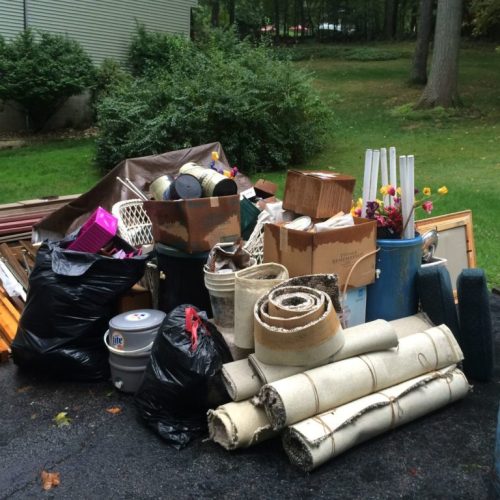
When considering a major renovation or preparing a property for new construction, building demolition becomes a key step in the process. Properly managed demolition not only clears the way for fresh opportunities but also ensures safety, compliance, and efficiency. Partnering with a trusted company like Junk Rescue AZ makes the process seamless, providing expert removal and disposal services that save time and reduce stress.
Understanding the Basics of Building Demolition
Building demolition involves more than just tearing down walls. It’s a systematic approach that includes planning, structural assessment, debris management, and safety measures. Knowing the type of structure whether residential, commercial, or industrial guides the method used. Residential demolitions often require careful handling to avoid disturbing neighboring properties, while commercial projects may need heavy machinery and specialized techniques to dismantle larger structures safely.
A critical component of demolition is determining which materials can be salvaged or recycled. Wood, metal, concrete, and fixtures may all have reuse potential. Recycling not only reduces landfill waste but also lowers project costs, making the approach environmentally responsible. A professional team can provide insight into which materials can be diverted from disposal, aligning with sustainable building practices.
The Planning Phase
Every demolition project begins with a detailed plan. This includes obtaining necessary permits, reviewing local zoning laws, and conducting safety inspections. Planning ensures that the project meets legal requirements and prevents costly delays. The plan also identifies potential hazards such as asbestos, lead paint, or unstable structures. Addressing these risks upfront is essential to protect workers and property owners.
A structured plan often involves mapping out the sequence of demolition activities. For example, interior stripping removing cabinets, flooring, or fixtures may precede exterior wall demolition. This phased approach allows for safer handling of debris and provides opportunities to recover valuable materials.
Methods of Demolition
There are several demolition methods suited to different project scales and objectives.
Mechanical Demolition uses heavy machinery such as excavators, bulldozers, or wrecking balls to dismantle structures. This approach is efficient for large-scale projects and enables quick clearance.
Selective Demolition involves dismantling specific parts of a building while leaving other areas intact. This is useful in renovations where structural elements or neighboring properties must remain undisturbed.
Deconstruction emphasizes material recovery by carefully disassembling components for reuse or recycling. Though slower, it supports sustainability and may provide cost savings by salvaging materials.
Implosion is a specialized method using controlled explosives for rapid demolition of large structures. This technique is only suitable for high-rise buildings or large industrial facilities and requires expert oversight.
Each method carries its own considerations for safety, cost, and environmental impact. Consulting a professional ensures the selected approach aligns with project goals while mitigating potential risks.
Safety Considerations
Safety is the cornerstone of any demolition project. Professionals follow strict guidelines to prevent accidents, including the use of protective gear, site barriers, and safety inspections. Hazardous materials are handled with care, and specialized contractors may be involved when dealing with toxic substances.
Proper disposal of debris is also critical for safety. Piles of rubble can create tripping hazards or attract pests if not managed correctly. A reliable demolition service ensures that waste is removed efficiently and responsibly, keeping the site clean and reducing liability concerns.
Managing Debris
Once demolition begins, managing debris becomes a primary concern. Large volumes of waste wood, concrete, metals, and plastics require systematic collection and removal. On-site dumpsters and trucks facilitate organized disposal, while recycling initiatives reduce the environmental footprint.
Many demolition projects benefit from scheduling regular debris pickups, preventing clutter from accumulating and interfering with ongoing work. Professional services provide the equipment and expertise needed to handle debris efficiently, allowing the project to progress smoothly without delays.
Cost Factors in Demolition
Several factors influence the cost of building demolition, including structure size, materials, location, and disposal requirements. Residential projects are generally less expensive than commercial or industrial demolitions due to scale and complexity. However, unforeseen conditions, such as hidden asbestos or reinforcements structures may increase costs.
Hiring a reputable service can provide transparent pricing based on project size and materials. Volume-based pricing ensures fair payment for only the waste removed, avoiding surprise fees. This approach allows better budgeting and planning for future construction or renovation work.
Advantages of Hiring Professionals
Partnering with experienced demolition and debris removal experts offers multiple advantages:
- Efficiency: Professional crews complete demolition projects faster and more safely than untrained personnel.
- Safety: Trained workers follow protocols to prevent accidents and manage hazardous materials responsibly.
- Environmental Responsibility: Experts identify recyclable materials and divert them from landfills.
- Convenience: Coordinating debris removal, equipment, and labor is simplified, allowing focus on the next phase of construction.
By relying on professionals, property owners gain peace of mind, knowing the demolition process is managed thoroughly from start to finish.
Preparing Your Property for Demolition
Before demolition, preparation is key. This may include:
- Removing furniture and personal belongings from the property.
- Shutting off utilities such as water, electricity, and gas to prevent accidents.
- Establishing safety zones to keep neighbors and passersby out of harm’s way.
- Conducting a final inspection to identify salvageable materials.
Proper preparation minimizes risk, accelerates project timelines, and ensures that resources are used efficiently.
Sustainable Demolition Practices
Sustainability in demolition has become increasingly important. Salvaging materials, recycling concrete and metals, and reducing landfill contributions are central to environmentally conscious projects. Many professionals provide guidance on separating materials, ensuring compliance with local recycling regulations, and minimizing the ecological impact of demolition activities.
Sustainable practices also support community well-being by reducing dust, noise, and waste. Choosing contractors who prioritize eco-friendly methods benefits both the project and the broader environment.
Planning for Future Use
The ultimate goal of building demolition is to prepare the site for new use. Clear, safe, and well-managed demolition allows construction, landscaping, or redevelopment projects to begin without unnecessary delays. Property owners can plan confidently, knowing the groundwork has been laid properly.
Whether planning a single-family home remodel, a commercial renovation, or a large-scale development, a methodical approach to demolition ensures the project remains on schedule and within budget.
Final Thoughts
Properly executed building demolition is more than just clearing structures; it is an organized process that emphasizes safety, efficiency, and sustainability. Working with a reputable team such as Junk Rescue AZ ensures that debris is managed responsibly, hazards are minimized, and the property is ready for the next stage of development. By planning carefully, choosing the right methods, and maintaining safety and environmental responsibility, demolition projects can proceed smoothly and effectively, paving the way for future success.