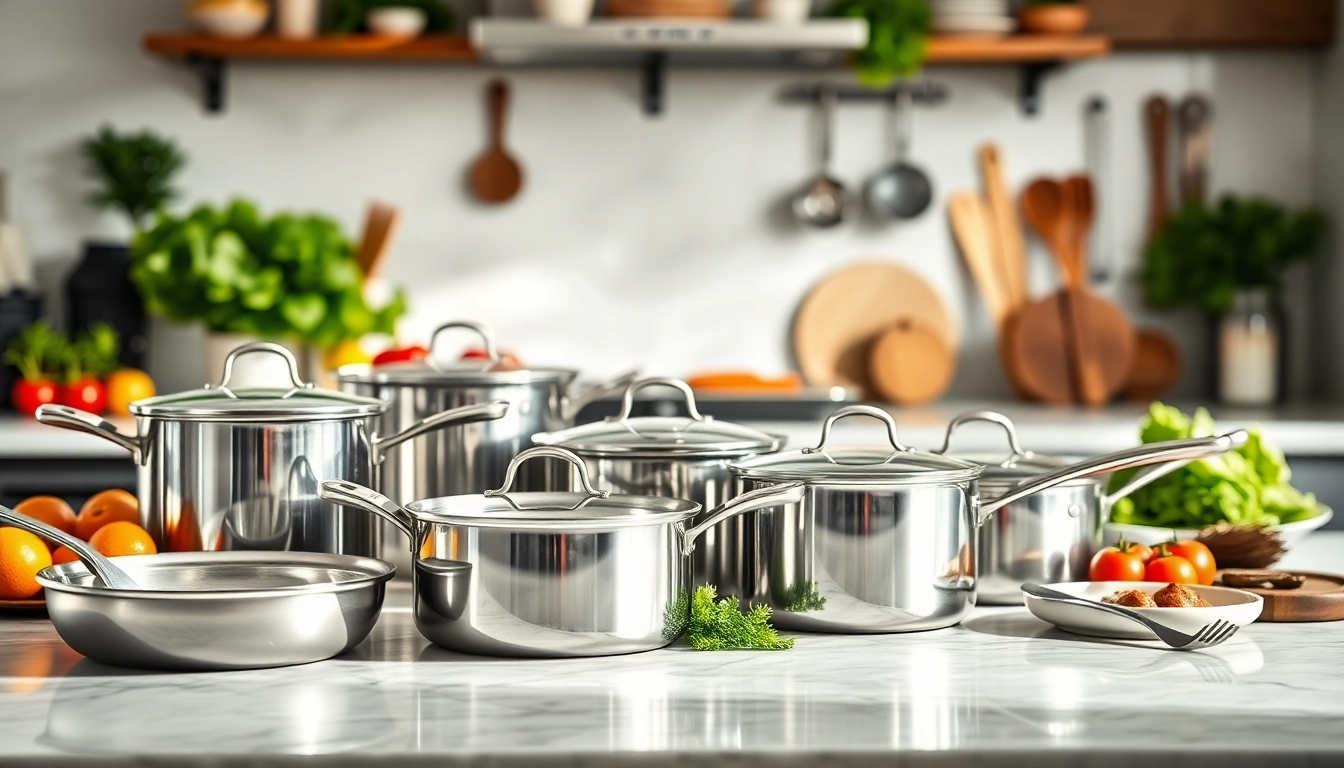
Introduction to Cookware
Cookware is an essential component of any kitchen, serving as the tools we use to prepare our meals. The right cookware not only makes cooking more enjoyable, but also enhances the quality of the dishes you create. Understanding the various types of cookware available, including their materials and maintenance needs, is crucial for every home chef, whether you're a novice or a seasoned pro.
What is Cookware?
Cookware refers to a collection of tools designed specifically for cooking food, which includes pots, pans, baking trays, and other cooking vessels. Typically crafted from a variety of materials, they come in various sizes and designs suitable for different cooking methods, such as frying, boiling, baking, or steaming. The importance of having the right cookware cannot be overstated, as it significantly impacts cooking efficiency and flavor outcomes.
Types of Cookware Materials
Cookware is made from several types of materials, each offering unique qualities that cater to specific cooking needs:
- Stainless Steel: Renowned for durability and resistance to rust and corrosion, stainless steel cookware offers excellent heat distribution and is non-reactive to foods.
- Cast Iron: Great for heat retention, cast iron is perfect for slow cooking and searing. It requires special care to maintain its seasoning and prevent rust.
- Nonstick: Ideal for low-fat cooking, nonstick pans limit food adhesion, ensuring easy cooking and cleaning. However, they may require replacement over time due to coating wear.
- Ceramic: This material is praised for its non-toxic properties and even heating, making it a favorite for health-conscious cooks. However, it can be prone to chipping.
- Carbon Steel: Often used in professional kitchens, carbon steel provides excellent heat conduction and is lightweight. Like cast iron, it needs seasoning to maintain its nonstick properties.
Benefits of Choosing the Right Cookware
Selecting the correct cookware is about more than just aesthetics. Here are several key benefits:
- Improved Cooking Performance: The right material ensures even heat distribution, improving cooking efficiency and flavor depth.
- Health Benefits: Certain cookware materials, like ceramic and stainless steel, are non-reactive and safe for cooking various foods without leaching chemicals.
- Durability and Longevity: High-quality cookware can withstand regular use and last many years, making them a valuable investment.
- Versatility: Multi-functional cookware allows you to handle a variety of cooking styles, from sautéing to baking, maximizing your culinary tasks.
Understanding Different Cookware Types
Cookware for Everyday Cooking
For daily meals, versatile and durable cookware is essential. Here’s a look at some staples:
- Skillets: A must-have for frying, sautéing, and searing. Look for premium nonstick or cast iron options for enhanced versatility.
- Sauce Pans: Perfect for boiling, simmering, and making sauces. Choose stainless steel for durability and consistent heating.
- Stock Pots: Ideal for soups, stews, and pasta. A large stainless steel pot can handle significant quantities.
Specialty Cookware for Specific Needs
Depending on your cooking preferences, you might need specialty cookware:
- Woks: Best for stir-frying, woks offer a unique shape that allows for high-heat cooking.
- Griddles: Perfect for pancakes and grilled sandwiches, griddles provide a large cooking surface and even heat distribution.
- Pressure Cookers: These speed up cooking times while retaining nutrients, making them valuable for busy lifestyles.
How to Choose Multi-functional Cookware
Selecting cookware that serves multiple purposes can save space and money. Look for cookware that can transition between stovetops and ovens, such as:
- Oven-safe skillets for stovetop-to-oven recipes.
- Cast iron Dutch ovens that work for baking bread and holding stews.
- Combo sets that include various vessels to cover all bases.
Caring for Your Cookware
Cleaning and Maintenance Tips
Proper care extends the life of your cookware. Here are best practices for cleaning:
- Hand Wash: Many cookware types benefit from hand washing to prevent damage, particularly nonstick and cast iron.
- Avoid Abrasives: Use soft sponges or cloths for cleaning; abrasives can scratch surfaces, especially nonstick cookware.
- Regular Seasoning: For cast iron and carbon steel, responsible seasoning ensures nonstick surfaces remain effective.
Storing Cookware Properly
How you store cookware can impact its longevity:
- Stacking Carefully: Use pan protectors to avoid scratches when stacking pots and pans.
- Hang When Possible: Hanging pots and pans can save cabinet space and prevent damage.
- Keep Lids with Their Cookware: Store lids with corresponding pots to reduce clutter and ensure quick access.
Common Mistakes with Cookware
Even seasoned cooks can fall into bad habits. Avoid these common mistakes:
- Using Metal Utensils: This can scrape the nonstick surface. Use wooden or silicone tools instead.
- Overheating Nonstick Cookware: High heat can damage the nonstick coating and release potentially harmful substances.
- Ignoring Sauteing Instructions: Not preheating your cookware can lead to uneven cooking and sticking.
Cookware Buying Guide
Factors to Consider When Purchasing Cookware
Before making a cookware purchase, consider the following:
- Material: Assess what cooking methods you employ; different materials excel under different conditions.
- Size: Choose sizes that fit your cooking habits, ensuring you have enough capacity for family meals.
- Compatibility: Verify that cookware is compatible with your cooktop. Some materials are better suited for induction than others.
Budgeting for Quality Cookware
Quality often correlates with price. Here’s how to budget:
- Invest in Key Pieces: Start with all-purpose items like a solid skillet and sauce pan, gradually adding specialty cookware.
- Look for Sales: Timing your purchases during sales events can yield substantial savings on premium brands.
- Opt for Set Bundles: Buying cookware in sets can be more economical than purchasing pieces individually.
Where to Shop for Cookware
Quality cookware can be found at various places, including specialty kitchenware stores, online retailers, and department stores. Researching reviews and checking return policies can help avoid substandard purchases.
FAQs About Cookware
What cookware material is safest for cooking?
Stainless steel, cast iron, and ceramic cookware are generally considered safe due to their non-reactive nature with food.
Can nonstick cookware be used on high heat?
Nonstick cookware should avoid high heat to preserve the coating and prevent harmful fumes from leaching.
How can I extend the life of my cookware?
Extend cookware life by cooking on medium heat, avoiding metal utensils, and washing by hand instead of in a dishwasher.
Is it worth investing in high-quality cookware?
High-quality cookware enhances cooking results, offers better heat distribution, and increases durability, making it a worthwhile investment.
What are the signs that cookware needs to be replaced?
Signs include visible scratches on nonstick coatings, rust, an uneven cooking surface, or any warping of metal cookware.