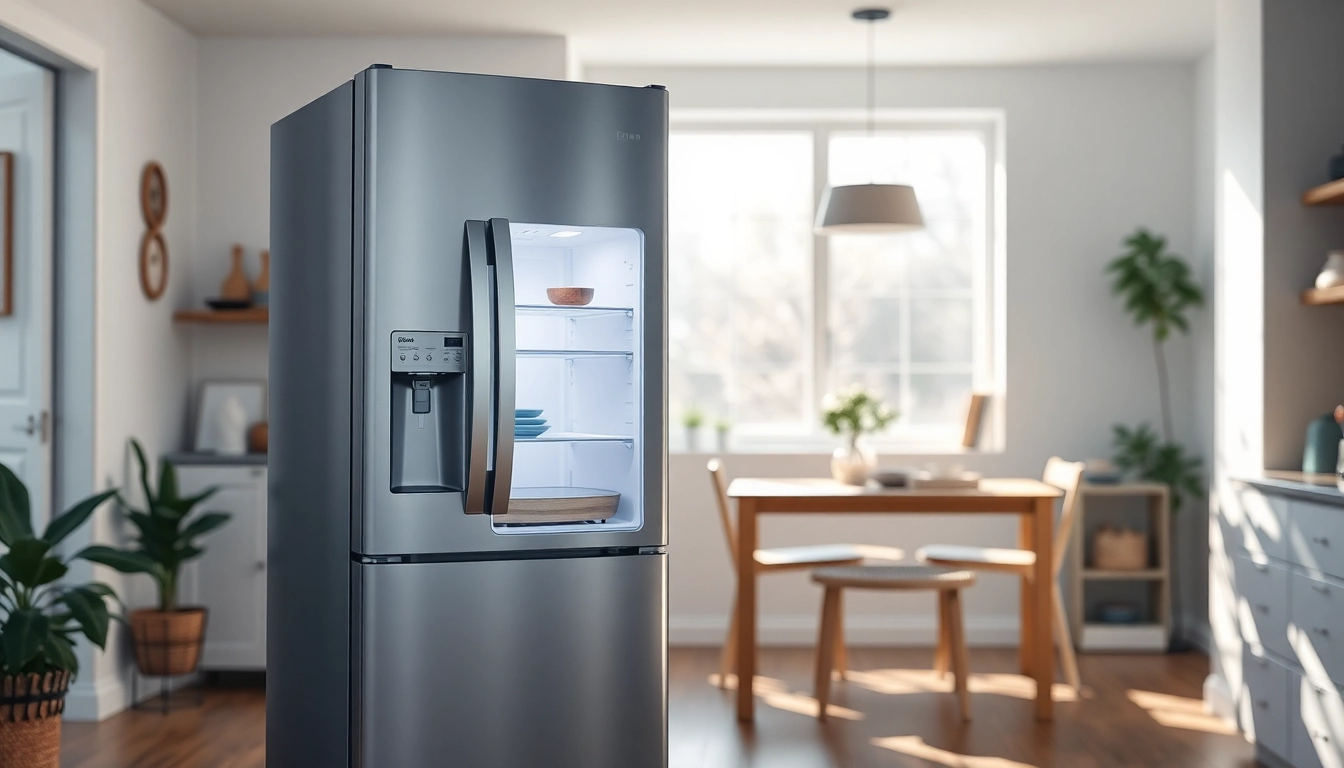
Understanding Different Types of Refrigerators
Choosing the right Refrigerator is essential for every kitchen, as it impacts food storage, energy consumption, and overall convenience. With a wide array of options available, understanding the different types of refrigerators can help you make an informed decision based on your lifestyle, space, and needs. Let's explore the most popular refrigerator models in the market today.
1. Top-Freezer Refrigerator Models
Top-freezer refrigerators are the classic refrigerator design, characterized by a fresh food compartment at eye level and a separate freezer compartment located above. These models are celebrated for their:
- Space Efficiency: This design effectively utilizes kitchen space, making it ideal for smaller kitchens.
- Affordability: Generally, top-freezer models are among the most economical options available, both in purchase price and energy costs.
- Easy Accessibility: The fresh food section is easily accessible, minimizing bending or reaching for everyday items.
However, top-freezer refrigerators may offer limited freezer space and can be less convenient if you frequently use frozen products.
2. Bottom-Freezer Options Explained
Bottom-freezer refrigerators reverse the top-freezer configuration, placing the freezer at the bottom. This design has gained popularity due to its ergonomic benefits:
- Convenience: Fresh food items are at eye level, allowing for easy access to vegetables, dairy, and other staples.
- Energy Efficiency: Most models include energy-efficient features, which can significantly lower operational costs.
- Improved Organization: Bottom-freezer models often come with drawers and shelves that make it easy to store and find food items.
Nonetheless, users may find it inconvenient to bend down frequently for frozen items.
3. Side-by-Side Refrigerator Insights
Side-by-side refrigerators feature vertical sections for the refrigerator and freezer, allowing for ample storage. This design is particularly beneficial for larger families:
- Accessibility: Users can reach both fresh and frozen food without bending, and the wide doors provide easy access.
- Space Efficiency: The vertical space can be beneficial in tighter kitchen layouts, where door swing clearance may be limited.
- Features and Technology: Many side-by-side models come equipped with see-through doors, ice and water dispensers, and smart technology features.
On the downside, side-by-side refrigerators can sometimes have limited storage space for wide or large items, and accessibility might suffer for those with mobility issues.
Essential Features to Look For in a Refrigerator
When shopping for a new refrigerator, knowing which features to prioritize can significantly affect your satisfaction with the product. Here are some essential features to consider:
1. Energy Efficiency Ratings
Energy efficiency is crucial for reducing household energy bills and minimizing environmental impact. Look for refrigerators with Energy Star ratings, which ensure they meet strict energy efficiency guidelines set by the Environmental Protection Agency (EPA). Besides saving money, an energy-efficient appliance can often deliver better overall performance and longevity.
2. Storage Capacity Considerations
Assess your storage needs based on your family's size, cooking habits, and grocery shopping frequency. A refrigerator's capacity is typically measured in cubic feet, and models range from compact designs suitable for singles or couples to larger options fit for families:
- Compact Refrigerators: Ideal for small apartments or dorms, these models can range from 4 to 12 cubic feet.
- Standard Refrigerators: Generally, these range from 18 to 25 cubic feet and suit the needs of an average-sized family.
- Large Refrigerators: Designed for big families, these can exceed 30 cubic feet and often come with multiple compartments.
3. Smart Features and Technology
Modern refrigerators are increasingly equipped with smart technology features, which can enhance convenience and efficiency. Common smart features include:
- Wi-Fi Connectivity: Allows for remote monitoring and control through mobile apps.
- Temperature Alerts: Notifications if the temperature fluctuates, helping to prevent food spoilage.
- Inventory Management: Some models can track food items and expiration dates, helping with meal planning and reducing waste.
Investing in a refrigerator with advanced features can not only simplify your cooking routines but also improve overall food management.
Common Refrigerator Sizes and Their Benefits
Choosing the right size for your refrigerator is vital to ensure it fits your space and meets your needs effectively. Let's examine common Refrigerator sizes and their benefits:
1. Compact vs. Standard Sizes
Compact refrigerators are generally 24 inches wide and range from 4 to 12 cubic feet. They fit easily in small spaces but may lack sufficient storage for larger households. Standard refrigerators fall between 18 to 30 cubic feet and offer better storage for families:
- Compact: Great for small homes, offices, or as a secondary unit.
- Standard: Provides ample space for groceries and meal prep.
2. Selecting for Small Spaces
Many urban dwellers contending with limited kitchen space need a refrigerator that is compact yet efficient. Consider the following tips:
- Measure your available space carefully, accounting for door swings and clearance.
- Opt for built-in models that blend with cabinetry or have a counter-depth design.
- Choose a unit with adjustable shelving or bins for optimal organization.
3. Large Family Needs
Larger families require more substantial refrigerator capacities along with a range of features to accommodate diverse needs. Consider the following suggestions:
- Look for models with separate compartments, such as crisper drawers for fruits and vegetables.
- Opt for additional freezer space, especially for bulk purchasing and meal prepping.
- Evaluate features like ice dispensers and built-in water filters for convenience.
Maintenance Tips for Prolonging Refrigerator Lifespan
Proper maintenance is key to prolonging the life of your refrigerator and ensuring it operates efficiently. Consider these reliable maintenance tips:
1. Regular Cleaning and Inspection
Cleaning your refrigerator inside and out should be part of your routine. Here’s how to maintain cleanliness:
- Wipe down surfaces with mild detergent and warm water.
- Remove expired or spoiled food regularly to prevent odors and bacteria build-up.
- Check and clean the condenser coils behind or beneath the unit to improve efficiency.
2. Monitoring Temperature Settings
Correct temperature settings are paramount for food safety and prolonging the lifespan of your appliance.
- Set your refrigerator to 37°F and the freezer to 0°F to maintain optimal food freshness.
- Use a thermometer if your refrigerator doesn't have a digital readout.
- Frequently check door seals for proper closure to avoid temperature fluctuations.
3. Organizing for Efficiency
Organizing your refrigerator can help maintain airflow and improve efficiency. Follow these guidelines for optimal organization:
- Store foods based on cooking frequency; place everyday items at eye level.
- Use clear bins for smaller items to reduce clutter and improve visibility.
- Implement a "first in, first out" strategy to avoid spoiling food.
FAQs About Refrigerators
1. What is the average lifespan of a refrigerator?
The lifespan of a refrigerator typically ranges from 10 to 20 years, depending on model quality and maintenance practices.
2. How can I improve my refrigerator's energy efficiency?
Ensure coils are clean, maintain optimal temperature settings, and avoid overloading it to enhance energy efficiency.
3. What should I consider before buying a refrigerator?
Consider your budget, required size, preferred style, and energy efficiency ratings before making a decision.
4. Can a refrigerator be repaired, or should I replace it?
This depends on the issue; minor repairs can extend the life of the appliance, but serious problems often require replacement.
5. What are frost-free refrigerators?
Frost-free refrigerators utilize a fan to circulate air and prevent frost buildup, thus minimizing the need for manual defrosting.