
Understanding Colonial Home Build Essentials
Historical Significance of Colonial Architecture
Colonial architecture is not merely a style; it is a representation of a rich historical narrative that unfolds through bricks and beams. Rooted in the 17th and 18th centuries, colonial design reflects the influences of European settlers who brought their architectural customs to the New World. Featuring distinct attributes such as symmetry, substantial materials, and practical layouts, colonial homes were constructed to withstand the test of time while offering functionality and aesthetic appeal.
As you embark on your journey of a colonial home build, understanding this architecture’s historical context can inform your design choices. The evolution of colonial homes mirrors the cultural and societal shifts in America, capturing the essence of diverse regional interpretations alongside innovations in building techniques over the centuries.
Key Features of Colonial Home Design
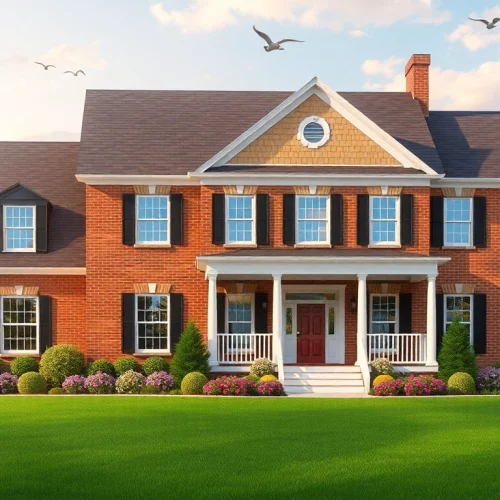
Colonial homes exhibit several defining characteristics, making them both timeless and desirable. Here are some essential features:
- Symmetry: Colonial homes often showcase balanced designs with evenly spaced windows and doors.
- Columns and Porches: Many incorporate grand columns and front porches, inviting engagement with the outdoor space.
- Gabled Roofs: Steeply pitched roofs are a hallmark, often accompanied by dormer windows.
- Brick and Clapboard: Traditional materials like wood clapboard or brick exude durability and classic charm.
- Central Hallways: A central hallway often serves as a pedestrian artery, connecting various rooms and enhancing flow.
Benefits of Building a Colonial Home
Opting for a colonial home build offers numerous advantages that blend practicality with aesthetic appeal:
- Timeless Design: The classic features of colonial architecture ensure it won’t easily go out of style.
- Resale Value: Historically significant homes often retain or increase in value, making them a wise investment.
- Energy Efficiency: With modern construction methods, colonial homes can incorporate energy-efficient systems without sacrificing style.
- Expansive Spaces: The design traditionally features large rooms and ample storage, catering to family needs.
- Cultural Resonance: Building a colonial home connects owners to America’s architectural heritage.
Planning Your Colonial Home Build
Choosing the Right Location
Location is fundamental in real estate, and colonial homes are no exception. When selecting the site for your colonial home, consider factors such as proximity to amenities, schools, and recreational areas. Urban settings may call for a more compact design while suburban or rural areas provide opportunities for expansive lots.
Additionally, think about the regional climate, as it might influence your building materials and design choices. For instance, homes in cooler climates may benefit from thicker walls and fireplaces, while warmer regions may prioritize ventilation and shading.
Budgeting and Financial Considerations
Understanding the financial landscape is critical to any home building project. Establishing a clear budget helps maintain focus and transparency throughout the process. Consider not only construction costs but also additional expenses like landscaping, furnishings, and permits.
It is advisable to set aside a contingency fund (typically 10-20% of the total budget) for unexpected expenses that may arise during construction. Collaborating with financial advisors or architects experienced in colonial architecture can provide insights on cost-saving measures without sacrificing quality.
Designing Your Colonial Home Layout
The layout of your colonial home is just as crucial as its exterior aesthetics. Colonial homes traditionally feature a formal entry, often leading into a central hallway with rooms branching off from this core. Consider the flow of movement between spaces and how each room’s purpose affects its location in the design.
When designing the layout, contemplate lifestyle needs and functionalities, such as the inclusion of open spaces for family gatherings and cozy retreats for privacy. By combining traditional elements with modern conveniences, your colonial home can be both historical and livable.
Materials and Construction Techniques for Colonial Homes
Traditional Materials Used in Colonial Home Build
Choosing the right materials is vital in preserving the integrity and style of a colonial home. Traditional colonial architecture emphasizes the use of durable materials like:
- Wood: Often used for framing and facades, wood exudes warmth and character.
- Brick: Popular in many regions, brick provides lasting strength and a classic look.
- Stone: Used for foundations and chimneys, stone lends a rustic elegance.
- Slate: Commonly utilized for roofing, slate is both functional and visually appealing.
Modern Techniques for Authentic Construction
While preserving traditional aesthetics is key, modern building techniques can enhance the construction process. Advanced framing techniques, prefabricated components, and energy-efficient windows assure that colonial homes are built to last without compromising their classic charm.
Additionally, modern tools and technologies, such as CAD software, enable architects to plan layouts with precision, ensuring a smooth and efficient building process. This fusion of old and new allows homeowners to enjoy the beauty of colonial design while benefiting from innovations in energy efficiency and sustainability.
Environmental Sustainability in Colonial Building
In today’s eco-conscious world, many homeowners prioritize sustainability during construction. When planning a colonial home build, consider integrating features like:
- Energy-efficient Insulation: For regulating temperature and reducing energy bills.
- Solar Panels: To harness renewable energy without sacrificing aesthetics.
- Local Sourcing: Using locally sourced materials reduces transportation emissions and supports the local economy.
- Water Management: Implementing rainwater harvesting and drought-resistant landscaping ensures water conservation.
Interior Design Ideas for Colonial Homes
Color Schemes and Furniture Styles
The interior of a colonial home should reflect the historical foundations of the architecture while catering to modern tastes. Classic color palettes typically feature muted tones like creams, greens, and blues, which can evoke a sense of serenity and make spaces feel larger.
Complementing these colors, choose furniture that echoes traditional styles, such as Queen Anne or Federal pieces, emphasizing craftsmanship and quality materials. Layering textures with textiles like wool or linen can enhance the comfort and warmth of your interior.
Functional Spaces in Colonial Interiors
Colonial homes are often designed with functional spaces that promote family interaction. Consider including:
- Formal Living Rooms: Designed for entertaining guests without compromising intimacy.
- Family Rooms: Cozy areas for everyday relaxation often featuring fireplaces.
- Dine-in Kitchens: Spaces that encourage communal cooking and dining experiences.
By ensuring distinct, functional spaces, you’ll foster a sense of community while retaining the elegance typical of colonial settings.
Incorporating Modern Elements into Colonial Design
While maintaining the traditional allure, incorporating modern elements can enhance the functionality of a colonial home. Open floor plans, while not traditional, can be executed tastefully by maintaining the visual cues present in colonial architecture.
Smart home technology allows for automated lighting, security, and climate control, ensuring convenience while preserving historical aesthetics. With these thoughtful integrations, you can experience the comfort and style of colonial living without sacrificing the benefits of modernity.
Maintaining and Enhancing Your Colonial Home
Routine Maintenance Tips for Longevity
To ensure your colonial home remains a cherished asset for years to come, regular maintenance is key. Here are some crucial tips:
- Inspect roofing annually for any damage to prevent leaks and structural issues.
- Clean gutters regularly to avoid water accumulation and potential damage.
- Maintain the exterior by painting or sealing wood surfaces as necessary.
- Inspect plumbing and electrical systems to catch issues early.
Renovation Ideas to Modernize Historic Features
Preserving the historical features does not preclude modernization. Consider renovations that update your home while enhancing its beauty:
- Kitchen Upgrades: Modern appliances wrapped in custom cabinetry maintain the aesthetic while providing functionality.
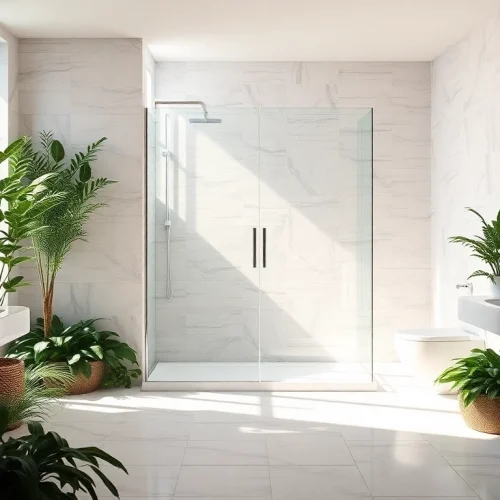
- Bathroom Renovations: Incorporate contemporary elements like walk-in showers while maintaining traditional tile and fixtures.
- Energy Efficiency Improvements: Upgrade insulation and windows to reduce energy usage significantly.
Landscaping Tips to Complement Your Home’s Architecture
Landscaping is a crucial extension of your home’s architecture, enhancing curb appeal and functionality. Opt for symmetrical garden designs that echo the building’s features, using native plants to ensure sustainability and reduced maintenance.
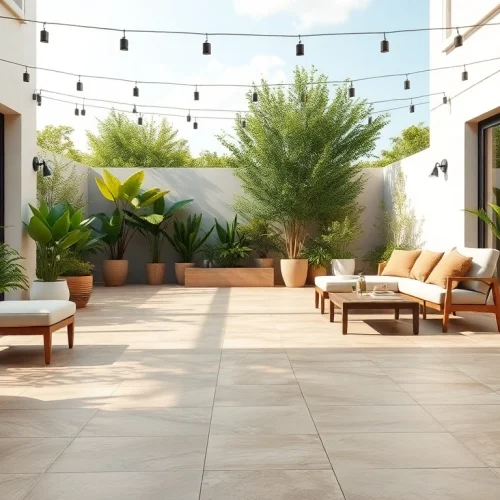
Incorporating pathways and terraces can create inviting outdoor spaces for gatherings, harmonizing visual aesthetics with usability. Moreover, maintaining period-appropriate fences and gates can frame your home beautifully while offering security and privacy.
FAQs About Colonial Home Build
What should I consider when choosing a location for a colonial home?
Consider access to amenities, schools, climate, local zoning laws, and overall community character when evaluating potential locations for your colonial home.
What are the common materials used in colonial home construction?
Traditional colonial homes often utilize wood, brick, stone, and slate, each contributing to the style and durability of the home.
How can I modernize my colonial home without losing its character?
Update kitchens and bathrooms with modern fixtures while using period-appropriate materials and styles, and infuse smart home technology seamlessly.
What type of maintenance do colonial homes require?
Maintain your colonial home by regularly inspecting roofs, gutters, and plumbing, and keeping the exterior well-preserved through painting and repairs.
Are colonial homes a good investment?
Colonial homes generally retain their value well, appealing to homeowners seeking charm and historical resonance, making them a solid real estate investment.