
Understanding Bed Bug Treatment
Bed bugs are among the most notorious pests that can invade homes, impacting not just comfort but also psychological well-being. To effectively manage these invaders, understanding the bed bug treatment options available is essential. This article will guide you through everything you need to know, from identifying signs of infestation to the various treatment methods and precautions you should take.
What Are Bed Bugs?
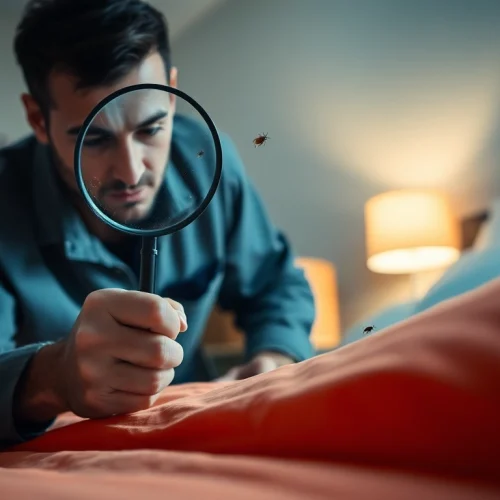
Bed bugs are small, brownish insects that feed on the blood of humans and animals. They are roughly the size of an apple seed and notoriously difficult to spot due to their nocturnal nature. Bed bugs are great at hiding, making them difficult to eliminate once they establish a breeding ground. They reproduce rapidly, with a single female capable of laying hundreds of eggs in her lifetime, which exacerbates the infestation.
Signs of Bed Bug Infestation
Recognizing an infestation early is crucial in managing bed bug populations effectively. Common signs include:
- Visible Bugs: Seeing adult bed bugs or their larvae.
- Fecal Stains: Dark spots on sheets or in crevices where bed bugs hide.
- Itchy Bites: Bed bug bites are typically red and itchy, making your skin a target while you sleep.
- Shed Skins: As they grow, bed bugs shed their outer skin, which can be found near their hiding spots.
Why Immediate Treatment is Crucial
The urgency of addressing a bed bug infestation cannot be overstated. Delay may lead to severe anxiety, sleepless nights, and increasing the population within your home. Early intervention not only reduces physical discomfort but also minimizes the potential for extensive damage to your property and belongings. Immediate treatment helps restore peace of mind and comfort for affected individuals and families.
Types of Bed Bug Treatments
With an understanding of the problem in place, the next step is exploring the various methods available for treatment. Each treatment option has its benefits, and choosing the right approach depends on the extent of the infestation and personal preferences.
Chemical Treatments Explained
Chemical pesticides remain one of the most common methods for controlling bed bugs. These treatments can be effective when applied correctly by professionals. There are several categories of chemicals used:
- Insect Growth Regulators (IGRs): These disrupt the lifecycle of bed bugs, preventing immature bugs from growing into breeding adults.
- Desiccants: These chemical compounds dry out and kill bed bugs by destroying their protective outer layer.
- Acute Pesticides: These are aimed at quickly exterminating adult bed bugs upon contact. They often contain active ingredients like pyrethroids.
While chemical treatments can be effective, they must be used judiciously. Improper application can lead to harmful effects for both the user and the environment.
Heat Treatment Advantages
Heat treatments have gained popularity as a non-chemical approach to bed bug eradication. This method involves raising the temperature of infested areas to a level that is lethal to bed bugs and their eggs. The primary advantages of heat treatments include:
- Environmentally Friendly: It eliminates the need for chemicals, making it a safer option for homes with children and pets.
- Comprehensive Coverage: Heat can penetrate materials where bed bugs hide, including mattresses and furniture, effectively reaching all life stages.
- Quick Results: Professional heat treatments can often eradicate bed bugs in just one session.
Non-Chemical Treatment Options
Beyond heat and chemical methods, there are other non-chemical treatment options available:
- Steam Treatments: High-temperature steam can kill bed bugs on contact, making it useful for treating carpets and upholstery.
- Diatomaceous Earth: This powdery substance injures bed bugs by damaging their exoskeleton, causing them to dehydrate and die.
- Vacuuming: Regular vacuuming of infested areas can physically remove adult bugs and eggs, reducing population size before deeper treatments.
Preparing for Bed Bug Treatment
Preparation is key to successful bed bug treatment. Ensuring that your living space is ready can enhance the effectiveness of any treatment method chosen. Below are steps to take before treatment.
Steps to Take Before Treatment
Before beginning any treatment, it is essential to follow a few preliminary steps:
- Identify and Confirm Infestation: Use visual inspections and any signs listed above to confirm bed bugs are present.
- Remove Clutter: Clear out unnecessary items to provide easier access to treatment areas.
- Communicate with Household Members: Ensure everyone in the household is aware of the situation and the steps being taken to address it.
Cleaning and Decluttering Tips
Proper cleaning and decluttering can prevent bed bugs from spreading to clean areas:
- Wash and Dry Bedding: Use hot water and a high-heat dryer setting on all bedding to kill any bugs or eggs.
- Vacuum Thoroughly: Focus on areas around the bed, furniture, and any potential hiding spots.
- Seal Cracks and Crevices: Use caulking to fill in any gaps where bed bugs might hide.
Identifying Areas of Infestation
Effective treatment begins with knowing where to target your efforts. High-risk areas include:
- The seams of mattresses and box springs
- Headboards and bed frames
- Baseboards and furniture joints
- Behind wall art and loose wallpaper
Executing the Bed Bug Treatment
Once you’ve prepared your home, it’s time to execute the treatment. Deciding whether to go the DIY route or to hire professionals can have a significant impact on the outcome.
DIY vs. Professional Treatments
Both approaches have their benefits:
- DIY Treatments: More cost-effective, can be performed at your own pace. However, they require thorough research and effort.
- Professional Treatments: Experts employ advanced methods and have access to tools and chemicals not available to the public, increasing efficacy. The investment may be higher, but it often guarantees results.
Step-by-Step Guide for Homeowners
If you opt for a DIY approach, follow these steps:
- Use a vacuum to remove visible bugs.
- Wash all fabrics at high temperatures.
- Apply steam to carpets and upholstery.
- Distribute Diatomaceous Earth in targeted areas.
- Follow up with a second round of treatments as recommended.
Safety Precautions to Consider
When performing your own treatments or during professional applications, safety should be a priority:
- Wear protective gear when handling chemicals.
- Ensure good ventilation if you are using sprays or other chemical treatments.
- Keep children and pets away from treated areas until safe.
Post-Treatment Measures
After treatment, it’s crucial to monitor the situation and take steps to reinforce your home against future infestations.
Monitoring for Recurrence
Even after treatment, remain vigilant. Check for signs of bed bugs weekly for the first month. Using mattress encasements can help seal any remaining bugs and prevent new ones from taking residence.
Preventative Measures Against Future Infestations
To avoid future bed bug issues, consider these preventative strategies:
- Be cautious with second-hand furniture and clothing.
- Regularly inspect your living space and maintain cleanliness.
- Utilize bed bug interceptors on furniture legs to catch any wandering bugs.
When to Seek Professional Help Again
If signs of bed bugs return, it may be time to seek professional assistance again. Do not hesitate to reach out after a DIY treatment if you notice bites or residual signs of infestation, as persistent bed bug issues can become a severe nuisance.
Frequently Asked Questions
1. How long does a bed bug treatment take?
Duration varies by method. Heat treatment usually lasts 6-8 hours, while chemical treatments might require a few days for complete eradication.
2. Can I stay in my home during treatment?
This depends on the treatment method. Heat treatments may require you to leave, while some chemical solutions could allow you to remain, but safety precautions are essential.
3. How do I know if the treatment was successful?
Monitor for bites and inspect hiding spots. If no new activity appears for a few weeks, treatment is likely successful.
4. Are home remedies effective against bed bugs?
While some remedies help, such as diatomaceous earth or steam, they may not eliminate severe infestations; professional help is often recommended.
5. What precautions should I take after treatment?
After treatment, inspect for signs of recurrence, avoid bringing in second-hand items, and maintain cleanliness to deter future infestations.