

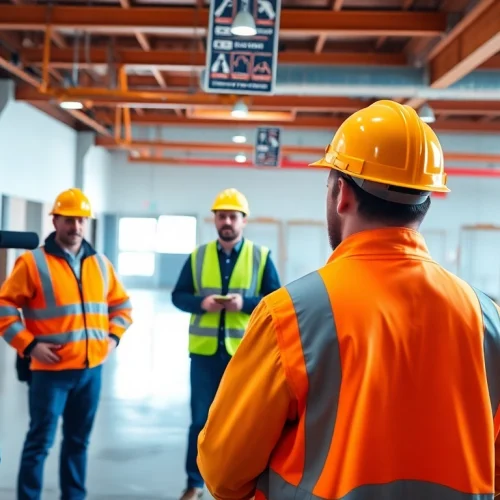
Introduction to Construction Safety Programs
The construction industry is inherently hazardous, with workers facing a variety of risks every day on the job. Ensuring safety is not just a regulatory requirement but a moral obligation that protects the lives of countless individuals. This is where construction safety programs come into play. These programs are structured initiatives developed to mitigate risks, prevent accidents, and create a culture of safety within the workplace. In this article, we will delve into the various aspects of construction safety programs, focusing on their importance, types, implementation strategies, and how to measure their success.
Understanding the Importance of Safety in Construction
The construction sector consistently ranks among the most dangerous industries, with injury and fatality rates significantly higher than many other sectors. The risks associated with construction can include falls from heights, equipment accidents, and exposure to hazardous materials. Therefore, implementing effective safety programs is paramount. They not only reduce workplace incidents but also cultivate a safety-first mindset among workers. This proactive approach leads to enhanced productivity, lower insurance costs, and improved employee morale.
Key Elements of Successful Safety Programs
A successful safety program consists of several critical components, including:
- Management Commitment: Leadership must actively support safety initiatives, fostering an environment where safety is prioritized.
- Worker Participation: Workers should be engaged in safety discussions to ensure they feel invested in the program.
- Hazard Identification: Regular assessments must be conducted to identify potential hazards and mitigate them effectively.
- Training and Education: Continuous training programs that are up-to-date with the latest safety protocols and techniques are essential.
- Regular Evaluations: The impact of the safety program should be evaluated regularly to enhance areas needing improvement.
Identifying Common Hazards on Construction Sites
Before any safety program can be effective, it is essential to understand the common hazards present on construction sites. These include:
- Falls: The leading cause of fatalities in construction, often from ladders, scaffolding, or rooftops.
- Electrical Hazards: The risk of electrocution from exposed wires or faulty equipment.
- Heavy Machinery Accidents: Injuries arising from improper use or malfunction of heavy equipment.
- Trenches and Excavation: Risks associated with cave-ins and unstable soil.
- Hazardous Materials: Exposure to chemicals and asbestos can lead to long-term health issues.
Types of Effective Construction Safety Programs
Mandatory Safety Training and Certifications
Mandatory safety training is often the backbone of construction safety programs. This not only ensures that all workers are aware of safety practices but also that they possess the necessary certifications to operate equipment or handle hazardous materials safely. Typical training might include:
- OSHA 10-Hour and 30-Hour Safety Training
- First Aid/CPR Training
- Hazard Communication Standards Training
- Scaffold Safety Training
These certifications not only comply with legal requirements but also empower workers with knowledge, ultimately enhancing workplace safety.
Behavior-Based Safety Programs
Behavior-based safety (BBS) programs focus on the spontaneous actions of workers and their impact on safety performance. Unlike traditional approaches that often emphasize rules and protocols, BBS seeks to understand the root causes behind unsafe behaviors. By observing and analyzing actions on-site, companies can inform and adjust training programs. Effective BBS initiatives typically include:
- On-site observations and feedback
- Positive reinforcement strategies to encourage safe behavior
- Active involvement of workers in safety training and discussions
Emergency Preparedness and Response Programs
Preparation for emergencies is a vital aspect of construction safety. These programs should outline specific roles and responsibilities, strategies for communication, and procedures for dealing with various types of emergencies, such as:
- Fire outbreaks
- Medical emergencies
- Natural disasters such as hurricanes or earthquakes
- Site evacuations
Regular drills and simulations can significantly enhance workers’ readiness while fostering a culture that values safety and preparedness.
Implementing Construction Safety Programs
Steps to Develop a Safety Program
Creating an effective safety program requires careful planning and execution. Here’s a systematic approach to developing a safety program:
- Conduct a Needs Assessment: Evaluate the specific needs and hazards of your construction site.
- Define Goals and Objectives: Establish clear, measurable objectives for your safety initiatives.
- Develop Safety Protocols: Create policies and procedures tailored to the identified hazards and risks.
- Implement Training Sessions: Provide comprehensive training for employees based on the safety protocols.
- Promote a Safety Culture: Encourage open communication amongst workers about safety concerns and suggestions.
- Evaluate and Adjust: Regularly review the program’s effectiveness and make necessary adjustments.
Incorporating Technology into Safety Training
Modern technology can significantly enhance safety training, making it more engaging and effective. Utilizing tools such as virtual reality (VR) and mobile apps allows workers to experience safety scenarios in a controlled environment, fostering better understanding and retention of safety practices. Other technologies to integrate include:
- Wearable tech (e.g., helmets with sensors)
- Mobile safety apps for reporting hazards or incidents
- Online training platforms for remote learning methodologies
Emphasizing technological solutions not only modernizes training processes but also meets the diverse learning styles of workers.
Engaging Workers in Safety Initiatives
Workers play a pivotal role in the success of safety programs. Engaging them fosters accountability and enhances their commitment to maintaining a safe work environment. Strategies for engagement include:
- Regular safety meetings to discuss concerns and improvement opportunities
- Incentive programs that reward safe behavior
- Involvement in the development of safety procedures and protocols
- Creating safety committees composed of workers at all levels
By fostering communication and collaboration, organizations can build a more safety-conscious workforce dedicated to preventing accidents.
Measuring Success of Construction Safety Programs
Key Performance Indicators for Safety Outcomes
Measuring the effectiveness of safety programs is critical for continuous improvement. Key Performance Indicators (KPIs) may include:
- Number of incidents and near misses
- Workers’ compensation costs
- Employee engagement levels regarding safety practices
- Frequency of safety training sessions completed
Regular monitoring of these KPIs ultimately assists in identifying strengths and areas for improvement in safety initiatives.
Regular Safety Audits and Inspections
Conducting regular audits and inspections is fundamental to maintaining safety standards on construction sites. These scheduled evaluations help uncover unseen hazards, ensure compliance with safety regulations, and assess the effectiveness of safety protocols. Best practices for conducting audits include:
- Developing a checklist tailored to the site-specific risks
- Involving employees in the inspection process for fresh perspectives
- Documenting findings and promptly addressing identified issues
Continuous Improvement and Feedback Loops
Creating a continuous improvement framework ensures that construction safety programs evolve with emerging risks and technologies. Implementing feedback loops allows for worker input and promotes an ongoing dialogue about safety measures, leading to proactive updates that enhance overall safety culture.
FAQs on Construction Safety Programs
What are construction safety programs?
Construction safety programs are structured initiatives aimed at preventing accidents and ensuring safety on job sites.
Why are safety programs essential?
These programs minimize risks, protect workers, and help in compliance with legal safety standards.
What types of training are included?
Training often involves hazard recognition, equipment operation, and emergency response procedures.
How often should safety programs be updated?
It’s recommended to review and update safety programs annually or after any incident for continual improvement.
Can technology enhance safety training?
Yes, technology like virtual reality can provide immersive training experiences that improve understanding and retention.