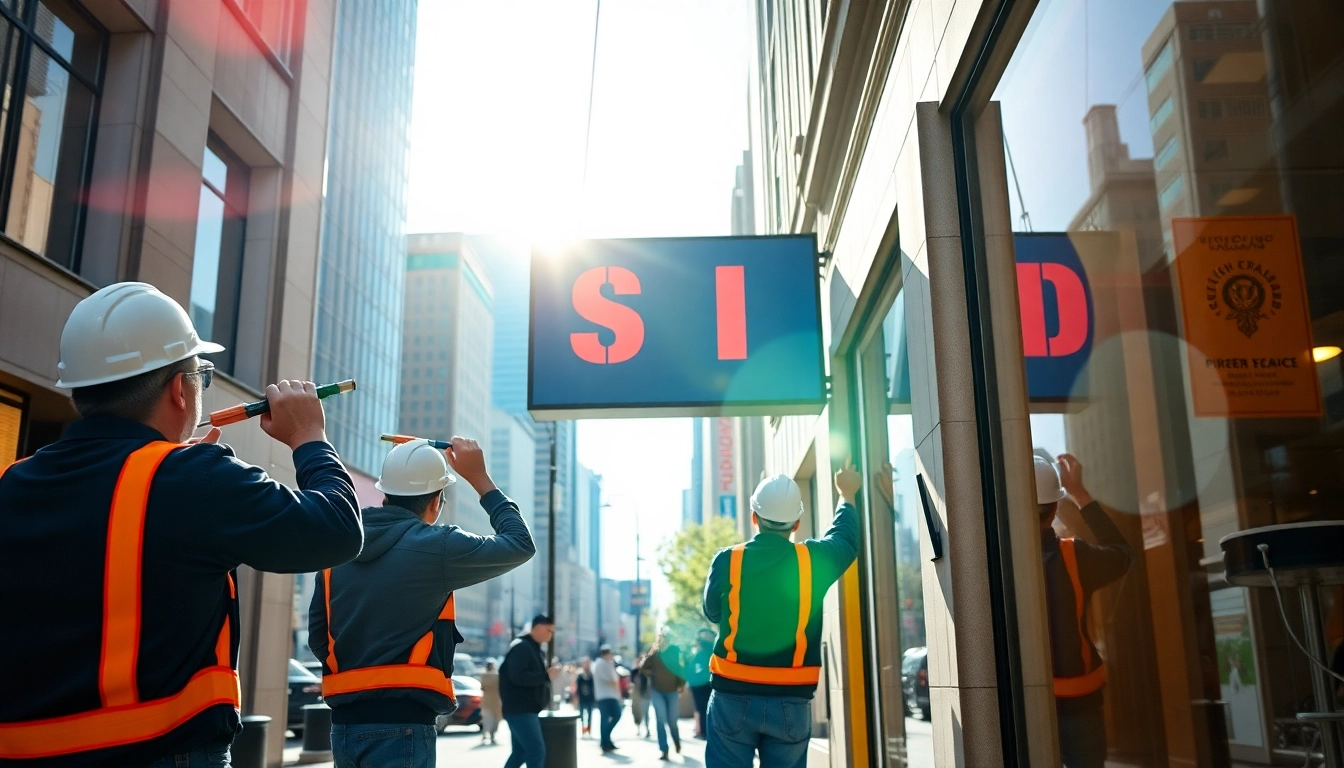
Understanding Sign Installation Basics
Sign installation is a crucial aspect of effective marketing and communication for businesses. It goes beyond simply putting a sign up; it involves careful planning, execution, and evaluation to ensure that signs effectively convey their intended message. From storefronts to public spaces, signs play a vital role in guiding, informing, and appealing to customers. Understanding the components and requirements of sign installation is essential for achieving maximum impact.
Importance of Sign Installation
The significance of sign installation cannot be overstated. Signs serve multiple purposes such as attracting customers, providing information, and promoting brand identity. A well-placed and professionally installed sign can significantly enhance visibility and drive foot traffic to a business. In many cases, a sign can act as a first impression, which is crucial for a competitive marketplace. By investing in high-quality sign installation, businesses can improve their marketing efforts and ensure their messages reach the right audience effectively.
Common Sign Materials and Their Uses
Choosing the right materials for signs is essential for durability and impact. Common materials include:
- Vinyl: Often used for banners and decals due to its flexibility and resistance to weather conditions.
- Metal: Aluminum and steel are popular for outdoor signs because they are sturdy and can withstand the elements.
- Wood: Provides a rustic aesthetic and is often used for handcrafted or vintage signs.
- Plastic: Lightweight and versatile, perfect for temporary signs or indoor use.
Tools and Equipment Needed for Sign Installation
Proper tools and equipment are vital for an efficient and safe sign installation process. Essential items include:
- Drills and Fasteners: Necessary for securing signs to walls or posts.
- Level and Measuring Tape: Ensures accurate placement and alignment of the sign.
- Safety Gear: Helmets, gloves, and high-visibility vests to ensure worker safety during the installation process.
- Ladders or Scaffolding: Required when installing signs at heights.
Planning Your Sign Installation
Effective sign installation starts long before the first drill is used. Proper planning can help avoid delays and complications during installation.
Site Analysis and Preparation
Conducting a thorough site analysis is the first step in planning for sign installation. This involves evaluating the installation site for visibility, traffic flow, and local regulations. Understanding sight lines and obstructions can help determine the best position for the sign. Preparation may also include clearing the area and ensuring that it is free of debris and hazards.
Design Considerations for Effective Signage
Design plays a crucial role in the effectiveness of signage. Key factors to consider include:
- Color and Contrast: High-contrast colors improve readability and make the sign stand out.
- Font Style: Choose clear and legible fonts that match your brand identity.
- Size: Ensure the sign is appropriately sized for its location and intended audience.
Permitting and Compliance Regulations
Before beginning the installation process, it is essential to check local zoning laws and regulations regarding signage. Permits may be required for specific types and sizes of signs, and compliance with safety and aesthetic standards is crucial to avoid fines or removal of the sign.
Step-by-Step Sign Installation Process
Executing the installation correctly is vital for both aesthetic and functional purposes. Each step must be approached methodically to ensure quality.
Initial Setup and Positioning the Sign
After planning and obtaining the necessary permits, the next step involves setting up and positioning the sign. Begin by marking the installation site accurately, using stakes or chalk to outline where the sign will be placed. It’s important to ensure that it’s visible from relevant angles and does not obstruct traffic or other signage.
Securing the Sign Using Proper Methods
Securing the sign requires using the appropriate installation techniques based on the materials and environmental conditions. For outdoor signs, concrete footings and heavy-duty fasteners are often used to ensure stability. Indoor signs can be secured with adhesive or wall brackets as needed.
Final Touches and Quality Checks
After securing the sign, conduct thorough quality checks to ensure it is correctly positioned according to your original plans. Make sure the sign is level and that any lighting or electrical components are functioning correctly. Once confirmed, clean up the area and remove any excess materials.
Challenges in Sign Installation
Despite careful planning, challenges can still arise during the sign installation process. Being prepared for these can save time and money.
Weather Conditions and Their Impact
Weather can significantly affect both the installation process and the longevity of the sign. High winds, rain, or snow may postpone installation or cause complications. It's advisable to monitor weather forecasts and select an appropriate time for installation.
Common Installation Mistakes to Avoid
Installing a sign can lead to setbacks if common mistakes are made. These include poor alignment, insufficient clearance, and inadequate securing methods. Meticulous planning and following best practices can help avoid these issues.
Safety Protocols During Installation
Safety should be a priority during the installation process. Workers should wear appropriate safety gear, use proper lifting techniques, and ensure that ladders are stable and secure. Always have a first aid kit on site and establish emergency procedures.
Measuring Sign Installation Success
Once a sign is installed, measuring its success is critical for evaluating its effectiveness.
Performance Metrics for Sign Visibility
Key metrics to consider include foot traffic counts, customer inquiries about the sign, and sales metrics following installation. Analyzing this data helps assess the return on investment (ROI) of the sign.
Customer Feedback and Its Role
Gathering customer feedback can provide insights into how well the sign communicates its message. Surveys, informal conversations, and social media interactions can yield valuable information.
Ongoing Maintenance and Care for Installed Signs
Signs can deteriorate over time due to environmental factors. Regular maintenance, such as cleaning and checking for damage, can prolong a sign's lifespan and ensure it remains effective.
FAQs on Sign Installation
What is the average time for sign installation?
The average sign installation time can vary between a few hours to a couple of days, depending on the complexity and size of the sign.
Do I need permits for sign installation?
Yes, most locations require permits for sign installation to comply with local regulations and zoning laws. Always check local guidelines.
What materials are best for outdoor signs?
Durable materials such as metal, wood, and weather-resistant plastics are ideal for outdoor signs to ensure longevity against elements.
How can I ensure proper sign visibility?
Position the sign at eye level, use high-contrast colors, and ensure adequate lighting to maximize visibility.
What safety measures should I consider?
Use proper safety gear, secure ladders/staging, and follow protocols to protect workers during sign installation.