
Understanding Museum-grade Leather Care
Leather is a timeless material renowned for its durability and aesthetic appeal. Its varying forms, from vintage handbags to classic furniture, necessitate specialized care to maintain its beauty and function over time. Museum-grade leather care refers to a collection of methods and products that prioritize longevity and preservation, catering to both collectors and everyday users of leather items.
Importance of Preservation Techniques
Preservation of leather is pivotal, especially when considering the environmental challenges that threaten its integrity. Factors such as moisture levels, temperature, and exposure to light can pose risks. Museum-grade techniques ensure that leather is not only preserved for aesthetic purposes but also for structural integrity. Techniques used in museums, like controlled humidity and temperature, help prevent deterioration and ensure that leather artifacts remain in excellent condition.
Benefits of Museum-grade Leather Care
Investing in museum-grade leather care can yield significant benefits:
- Longevity: Leather treated with the right products can last for generations, significantly extending its life.
- Protection: Museum-grade products guard against wear, tear, and damage from environmental factors like sunlight and humidity.
- Restoration: Specialized conditioners and dressings can rejuvenate tired leather, restoring its pliability and visual appeal.
- Value Retention: Well-maintained leather items maintain their value better than neglected ones, crucial for collectors and investors.
Common Myths About Leather Care
Myths surrounding leather care can lead to improper treatment. Here are some common misconceptions:
- Conditioners are a Problem: Believing all conditioners cause harm can lead to neglect. Properly formulated products enhance rather than damage leather.
- Regular Soap Will Do: Using regular soap can strip natural oils. Specialized leather cleaners are designed to clean without damage.
- Leather Doesn’t Need Moisture: Leather requires hydration. Without it, leather can dry out and crack.
- Any Oil is Safe: Using the wrong oil can deteriorate leather. Always select museum-quality treatments.
Choosing the Right Products
Carefully selecting the right products is essential for effective leather maintenance. The market is rife with options, but not all are suitable for museum-grade care.
Ingredients to Look For
Knowing what to look for in leather care products is vital. Important ingredients include:
- Natural Oils: Oils like mink or neatsfoot oil help maintain leather’s suppleness.
- Waxes: Beeswax or carnauba wax adds a layer of protection against moisture.
- Emulsifiers: These help mix oils and water, ensuring an even application.
- Conditioning Agents: Ingredients like lanolin can replenish lost moisture and flexibility.
Top Museum-grade Leather Care Products
When choosing care products, opt for those specifically labeled for museum use. Some examples include:
- Antique Leather Dressing
- Restoration Leather Conditioner
- Specialized Leather Cleaner
How to Read Labels Properly
Understanding labels is crucial for selecting the right products. Look for:
- Usage Directions: Instructions should detail application methods and frequency.
- Ingredients List: Always verify that ingredients are safe and beneficial for leather.
- Safety Warnings: Ensure there’s information regarding the environmental safety of the product.
Step-by-Step Guide to Applying Care
Applying leather care products can be a straightforward process if done correctly. Follow these steps to ensure optimal results.
Preparation of the Leather Surface
Before applying any product, prepare the surface. Follow these steps:
- Clean: Remove dust and debris using a soft brush or a damp cloth.
- Test Products: Always test a small, inconspicuous area first to gauge compatibility.
- Humidity Check: Ensure the environment is not too humid or dry, as this affects product absorption.
Application Techniques for Effective Care
Application is key to effective leather care. Consider these techniques:
- Even Layering: Apply products in thin, even layers to avoid excessive buildup.
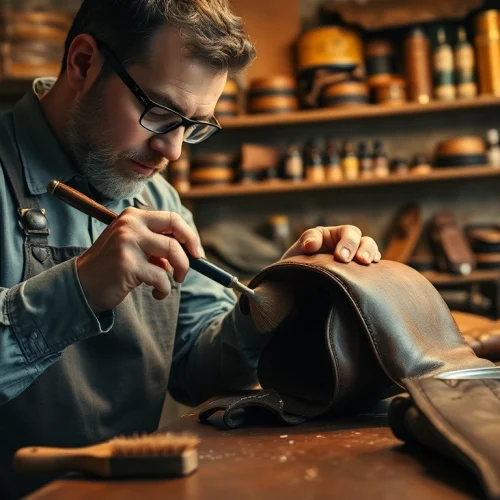
- Gentle Motion: Use a soft cloth or brush for application, always moving in the direction of the grain.
- Allowing Absorption: Let the product soak in as directed to ensure maximum benefit.
Drying and Setting Time Recommendations
Proper drying is essential:
- Air Dry: Always allow leather to air dry away from direct heat and sunlight.
- Setting Time: Follow product instructions for recommended setting times to maximize effectiveness.
Maintaining Leather in Optimal Condition
Regular maintenance is key for leather longevity. Establish a routine and pay attention to signs of wear.
Routine Care Practices
Incorporate these practices into your routine:
- Regular Cleaning: Dust and clean leather items regularly to prevent dirt buildup.
- Conditioning: Reapply conditioner at least every 6-12 months or as needed.
- Safe Storage: Store leather in a cool, dry place, avoiding direct sunlight.
Signs of Leather Aging and Damage
Recognizing signs of aging can help you take action quickly:
- Cracking: Indicates the leather is too dry and needs conditioning.
- Stiffness: Suggests a lack of moisture; use a conditioner to restore softness.
- Discoloration: Changes in color can signify damage from sunlight or moisture.
When to Seek Professional Help
Not all damage can be addressed at home. Know when to consult a professional:
- Severe Cracking: If the leather is deeply cracked or peeling, it’s time to get it professionally restored.
- Water Damage: If leather has absorbed significant water, a professional can assess and treat it effectively.
- Repair Needs: For broken stitches or structural issues, expert intervention may be necessary.
FAQs About Museum-grade Leather Care
What is museum-grade leather care?
Museum-grade leather care involves specialized techniques and products designed to preserve leather’s aesthetic and structural integrity, ensuring long-lasting quality.
How often should leather be treated?
Depending on use and exposure to elements, leather should ideally be treated every 6-12 months to maintain its condition and longevity.
Can I use regular leather conditioner?
Regular conditioners may not provide the same level of protection and nourishment as museum-grade products. It’s best to use specialized formulations for optimal care.
What tools are necessary for leather care?
Essential tools include soft brushes, microfiber cloths, and applicators designed for leather products to ensure gentle and effective care.
How do I store leather items properly?
Store leather in a cool, dry place, away from direct sunlight. Use dust bags or breathable containers to protect items from dust and moisture.