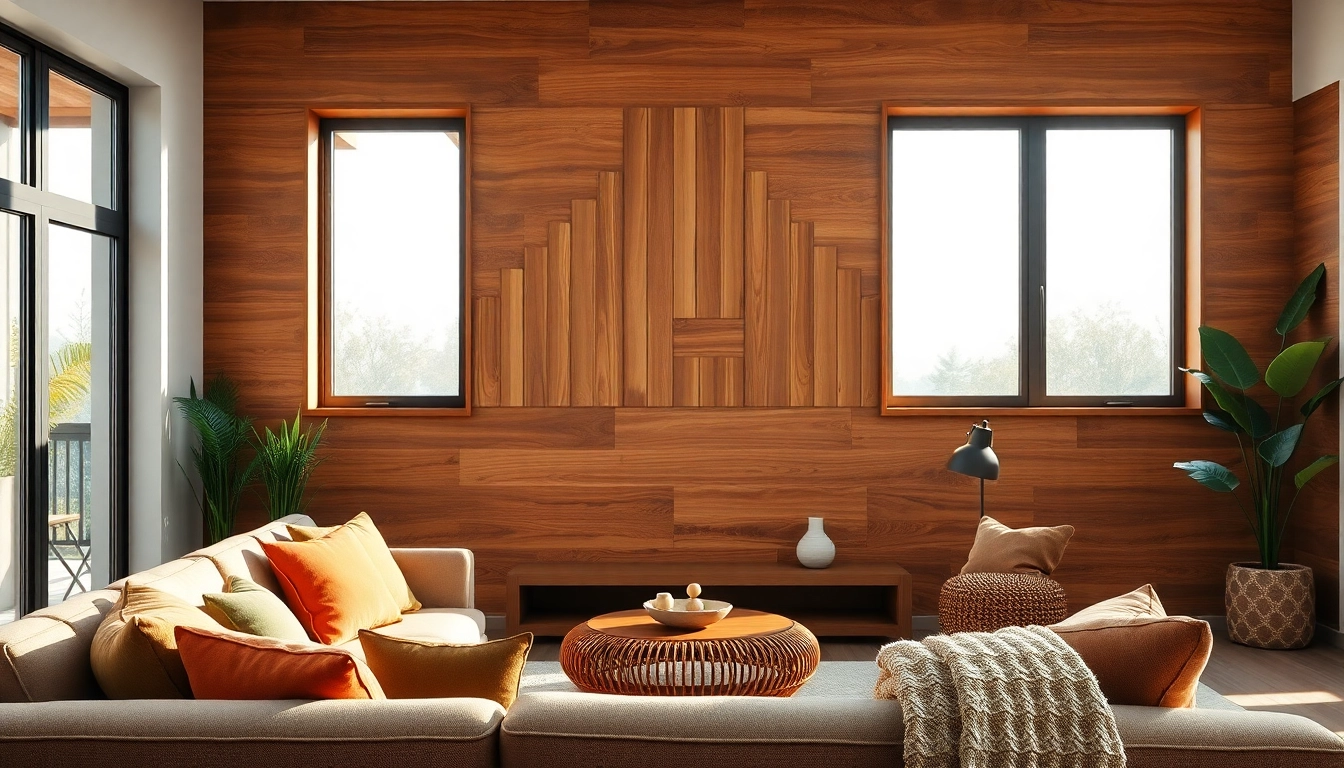
Understanding Wood Panel Accent Wall
What Is a Wood Panel Accent Wall?
A wood panel accent wall is a decorative feature in a room created by applying wood panels to a single wall or section of a wall. This design technique draws attention and adds depth, warmth, and character to any space. The panels can vary in size, shape, and texture, allowing for creative possibilities that can enhance your home's interior style. Whether you choose to go for a rustic, modern, or eclectic look, a wood panel accent wall serves as a versatile centerpiece in numerous design schemes.
Benefits of Installing a Wood Panel Accent Wall
There are numerous benefits to incorporating a wood panel accent wall into your home design:
- Aesthetic Appeal: Wood adds a natural element that can transform any space, giving it warmth and texture.
- Improved Acoustics: Wood panels can dampen sound, creating a quieter environment.
- Increased Property Value: A well-designed accent wall can enhance the overall appeal of your home.
- Easy Installation: Many wood panel products are designed for easy installation, even for DIY enthusiasts.
- Customization Options: With endless styles and finishes, these walls can be tailored to your personal taste.
Different Styles of Wood Panel Accent Walls
The beauty of wood panel accent walls lies in their versatility. You can choose from several styles to match your decor and personal preferences:
- Traditional Tongue and Groove: This classic method involves interlocking boards that can create a seamless look.
- Shiplap: Popularized by its rustic charm, shiplap panels feature a gap between each board that adds visual interest.
- Reclaimed Wood: Using salvaged wood adds character and sustainability to your design.
- Stripped Accent Walls: Modern designs can incorporate horizontal or vertical strips to create engaging patterns.
- 3D Paneling: For a contemporary look, opt for textured panels that bring a three-dimensional aspect to your space.
Choosing the Right Wood for Your Accent Wall
Types of Wood Suitable for Accent Walls
Choosing the right type of wood is essential for achieving the desired aesthetic and ensuring longevity. Here are some popular options:
- Pine: An economical choice, pine is light and easy to work with, ideal for a rustic feel.
- Maple: Known for its strength and fine grain, maple provides a more modern touch.
- Walnut: With its rich, dark tones, walnut offers sophistication and luxury.
- Red Oak: This hardwood is durable and versatile, boasting a distinct grain pattern.
- Bamboo: An eco-friendly option, bamboo is sustainable and adds an exotic flair to your decor.
Factors to Consider When Selecting Wood
When choosing wood for your accent wall, consider the following factors:
- Durability: Consider the wear and tear the surface may face and opt for strong wood.
- Moisture Resistance: Especially for areas like bathrooms, choose wood treated or designed to handle humidity.
- Color and Grain: Ensure the wood's natural color and grain pattern align with your design vision.
- Maintenance Requirements: Different woods require varying levels of upkeep; select based on your willingness to maintain.
- Cost: Define your budget; some exotic woods may align with your style but exceed your financial limits.
Comparing Natural vs. Engineered Wood Products
When deciding on wood products, you often have the option between natural and engineered wood:
- Natural Wood: Solid wood panels provide authenticity and can be refinished multiple times, enhancing their longevity.
- Engineered Wood: Constructed from layers of wood, this option is usually more affordable and stable, less prone to warping.
- Impact on Environment: Consider the sustainability of the material; engineered wood often uses fewer natural resources.
- Appearance: Natural wood boasts unique grains, while engineered options can replicate these looks at a lower cost.
Design Ideas for Wood Panel Accent Wall
Incorporating Color and Texture
Color and texture play vital roles in enhancing the visual appeal of your accent wall. Here are suggestions for integrating them:
- Staining: A translucent stain can enhance grain visibility while incorporating color.
- Mixing Finishes: Combine matte and gloss finishes to create textures that contrast and captivate.
- Painted Panels: If you want a pop of color, consider painting particular sections of your wood panels.
- Textured Wall Panels: Use raised or indented designs to add dimension and intrigue.
Furniture Arrangement Around an Accent Wall
The placement of furniture can significantly affect the impact of your wood panel accent wall. Here’s how to design around it:
- Focal Point: Position key furniture items, like sofas or beds, against the accent wall to emphasize it.
- Complementary Colors: Choose furniture colors that harmonize with your wood’s tone for a cohesive look.
- Spacing: Allow ample space around the accent wall to avoid a cluttered environment.
- Lighting: Use light fixtures to highlight the wall’s features; both ambient and spot lighting work well.
Complementary Decor Styles for Your Wood Panel Accent Wall
Your accent wall can serve as a versatile backdrop to a variety of decor styles:
- Rustic Farmhouse: Pair your wood panel wall with floral patterns and vintage furniture for a charming country vibe.
- Modern Minimalism: Use clean lines and neutral colors to enhance the sophistication of your wood panel.
- Industrial Chic: Combine wood with metal elements to create an edgy, urban feel.
- Scandinavian Style: Opt for a light wood finish and soft textiles for a cozy and inviting atmosphere.
Installation Process of a Wood Panel Accent Wall
Preparation Steps Before Installation
Execution is key to a successful installation. Here are the steps to prepare:
- Choose the Right Location: Select a wall that you want to accentuate without any obstructions.
- Measure and Fit: Take accurate measurements to determine how much material you’ll need.
- Gather Tools: Have the necessary tools ready, including a saw, level, and adhesive or nails depending on the installation method.
- Check Wall Condition: Ensure the wall is clean, dry, and properly repaired before proceeding.
DIY vs. Hiring a Professional for Installation
Deciding whether to undertake a DIY project or hire a professional can depend on several factors:
- Skill Level: If you have experience with home improvement, a DIY approach may be more rewarding.
- Time Constraints: Hiring a professional can save time, especially for larger projects.
- Cost Considerations: Evaluate your budget; sometimes DIY can be economical, but professionals may provide a superior finish.
- Complexity of Design: If your design is intricate, consider hiring someone for accuracy.
Common Mistakes to Avoid
To ensure the best outcome from your project, be mindful of common pitfalls:
- Inaccurate Measurements: Always double-check measurements before cutting or purchasing materials.
- Poor Wall Preparation: Skipping wall preparation can lead to failure; ensure your surface is suitable for installation.
- Overlooking Expansion Gaps: Allow for expansion, especially in humid environments to prevent warping.
- Neglecting Lighting: Failing to consider lighting can diminish the wood’s appearance; set it thoughtfully.
Maintenance and Care for Your Wood Panel Accent Wall
Best Practices for Cleaning Wood Panels
To maintain your accent wall's aesthetic over time, follow these cleaning practices:
- Dust Regularly: Use a soft cloth or a duster to keep the surface free of dust.
- Use Gentle Cleaners: When deeper cleaning is needed, use a mild soap solution or a wood-safe cleaner.
- Avoid Excess Moisture: Never use excessive water; it can cause the wood to warp or mold.
- Spot Clean Stains: Treat stains immediately with appropriate wood-safe products.
Protecting Against Moisture and Damage
Wood can be sensitive to humidity and physical impacts. Here are ways to protect it:
- Sealant Application: Use a wood sealant to provide a protective barrier against moisture.
- Humidity Control: Maintain an appropriate indoor humidity level to prevent warping and cracking.
- Avoid Direct Contact with Water: Wipe spills immediately to avoid absorption.
- Use Schoulders or Guards: Furniture placement or protective guards can prevent physical damage.
Restoration Techniques for Aging Wood
With time, wood may show signs of aging. Here’s how to restore its beauty:
- Refinishing: Strip the old finish and apply a new stain or coat for a fresh look.
- Sanding: Lightly sand the surface to remove imperfections and create a smooth texture.
- Color Matching: When restoring, ensure the new stain matches the original tone as closely as possible.
- Consult Professionals: For extensive damage, consider consulting wood restoration professionals for advice and assistance.
Frequently Asked Questions
What is the cost of installing a wood panel accent wall?
The cost varies based on materials, design complexity, and installation methods but typically ranges from $10 to $20 per square foot.
Can any room have a wood panel accent wall?
Yes, wood panel accent walls can be installed in various rooms including living rooms, bedrooms, and even bathrooms with careful material selection.
Is it easy to remove a wood panel accent wall?
Removal can be straightforward if installed using nails or adhesive. Ensure you have the right tools and take care to remove it without damaging the wall.
Can I install a wood panel accent wall on drywall?
Yes, wood panels can be installed directly on drywall. Ensure the surface is clean and sturdy before installation.
How often should I refinish my wood panel accent wall?
Refinishing approximately every 5-7 years is recommended, depending on wear, exposure to light and humidity, and personal preference.