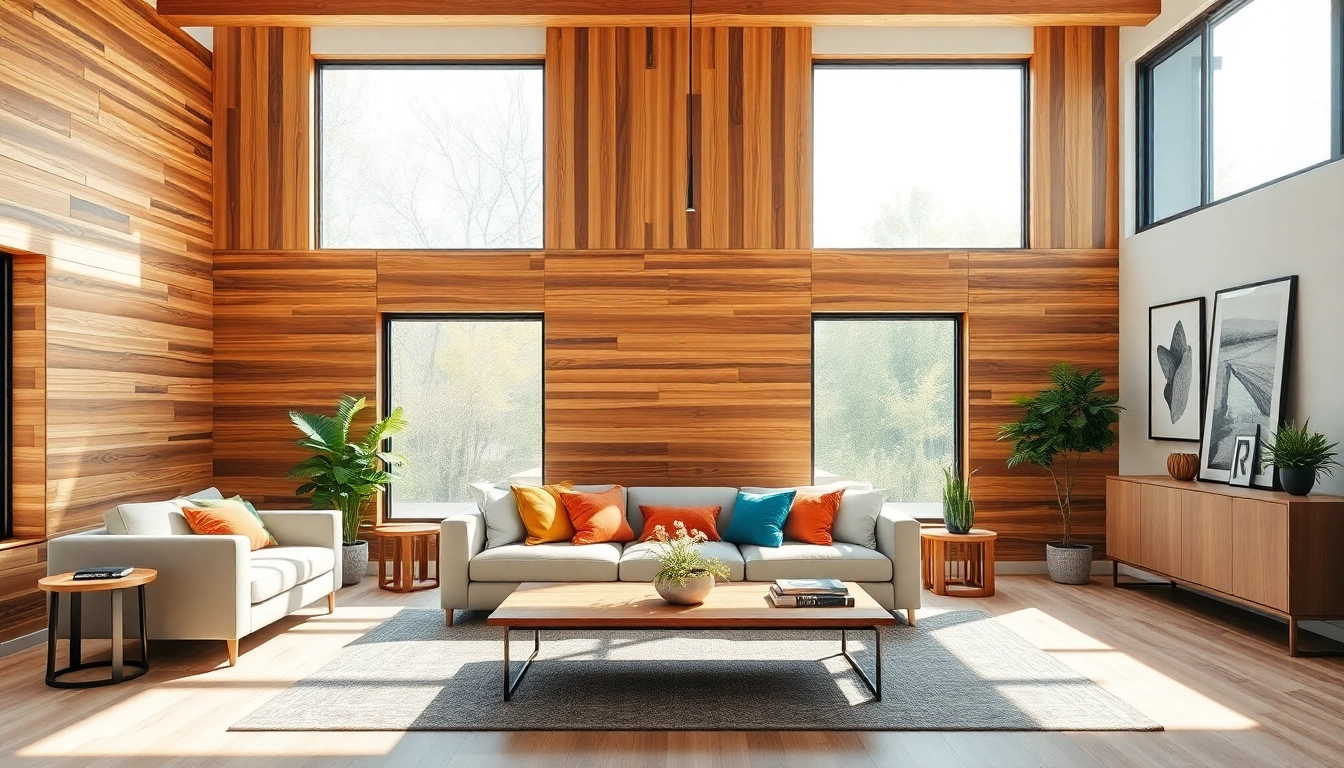
1. Introduction to Wood Panel Accent Wall
1.1 What is a Wood Panel Accent Wall?
A wood panel accent wall is a feature wall that's made from wood paneling, designed to add aesthetic appeal and warmth to a space. Typically, it's differentiated from the other walls in a room by its choice of materials, finishes, or colors. This design element can transform any room—be it a living room, bedroom, or office—creating a focal point that enhances the overall decor.
1.2 Benefits of Wood Panel Accent Walls
Incorporating a wood panel accent wall offers numerous benefits. First, it adds visual interest and can serve as a backdrop for furniture or artwork. Second, wood paneling provides warmth and texture, creating a welcoming atmosphere. Finally, it can improve insulation and acoustics within a room, making spaces feel more cozy and less echoey.
1.3 Design Trends in Wood Panel Accent Walls
Current design trends highlight various styles for wood panel accent walls. From rustic reclaimed wood offering a farmhouse charm to sleek, modern panels featuring minimalistic designs, there’s a wide array of options. Herringbone and vertical slat patterns are particularly popular, as they lend a contemporary flair while maintaining a connection to nature through the use of wood.
2. Choosing the Right Wood for Your Accent Wall
2.1 Types of Wood Suitable for Accent Walls
When selecting wood for an accent wall, consider options like oak, maple, and pine, each known for its durability and beauty. Oak offers rich grain patterns and a sturdy structure, while maple provides a light, modern finish. Conversely, pine is a budget-friendly choice that can still exude warmth and charm, especially when stained.
2.2 Natural vs. Engineered Wood Panels
Natural wood panels consist entirely of solid wood, providing authentic beauty and varying textures. However, they can be more expensive and may warp over time if not maintained properly. Engineered wood panels, made from plywood with a veneer on top, are often more affordable and stable, making them ideal for a versatile, long-lasting solution.
2.3 Color Variations and Finishes
Color and finish greatly affect the aesthetic of a wood panel accent wall. Natural finishes showcase the wood's grain, adding warmth and sophistication, while painted panels can serve as a bold contrast to existing decor. Matte, satin, or glossy finishes also alter the wall's reflection of light, enhancing the mood of the space.
3. Step-by-Step Installation Guide
3.1 Preparing Your Wall Surface
Before installation, ensure that the wall surface is clean, dry, and free from any debris. It's also crucial to repair any holes or imperfections to ensure a professional finish. If you're working with a drywall surface, consider applying a primer to help the adhesive bond better.
3.2 Tools and Materials Needed
To install a wood panel accent wall, you'll need the following tools and materials: a level, measuring tape, saw, adhesive or nails (depending on the type of panel), and caulk for finishing edges. Additionally, having safety gear such as gloves and goggles is essential to protect yourself during the installation process.
3.3 Tips for a Professional Finish
For the best results, plan the layout before starting; mark guidelines on the wall to ensure even spacing. Start from the bottom and work your way up, checking that each panel is level as you proceed. Finally, apply caulking along the seams for a seamless appearance, creating a polished and professional look.
4. Maintenance of Wood Panel Accent Walls
4.1 Cleaning and Care for Wood Panels
Regular cleaning is essential to maintain the beauty of your wood panel accent wall. Use a soft, dry cloth to dust the surface. For deeper cleans, a slightly damp cloth with a mild wood-safe cleaner can be used. Avoid excessive moisture, which can warp the wood over time.
4.2 Dealing with Wear and Tear
Over time, your wood panel accent wall may show signs of wear, such as scratches or dents. For minor imperfections, consider using a wood filler or touch-up stain that matches your panels. This can restore the wall's appearance without needing a complete refinishing.
4.3 When to Refinish Your Accent Wall
Typically, refinishing may be needed every 5 to 10 years, depending on the room's environment. Spaces exposed to high humidity or direct sunlight may require more frequent touch-ups. Signs that it's time to refinish include fading color, a rough texture, or visible scratches.
5. Frequently Asked Questions
5.1 How do I choose the right wood panel for my space?
Consider the overall style of your decor, the wood's color and finish, and the durability needed based on the room's usage. Sample different woods in your space to visualize their impact.
5.2 Can wood panel accent walls be installed in any room?
Yes, wood panel accent walls can enhance nearly any room, including living rooms, bedrooms, and even bathrooms, as long as suitable materials are used for moisture-prone areas.
5.3 How long does it take to install a wood panel accent wall?
Installation time varies based on the wall size and type of wood, but an average accent wall can typically be installed in a day, with additional time for finishing touches.
5.4 What tools are required for installation?
You will need a level, measuring tape, saw, adhesive or nails, and a caulking gun. Optional tools may include a nail gun and a miter saw for precise cuts.
5.5 Are wood panel accent walls a good investment?
Yes, they can increase the aesthetic appeal and value of your home, providing a unique feature that appeals to potential buyers and enhances your living environment.