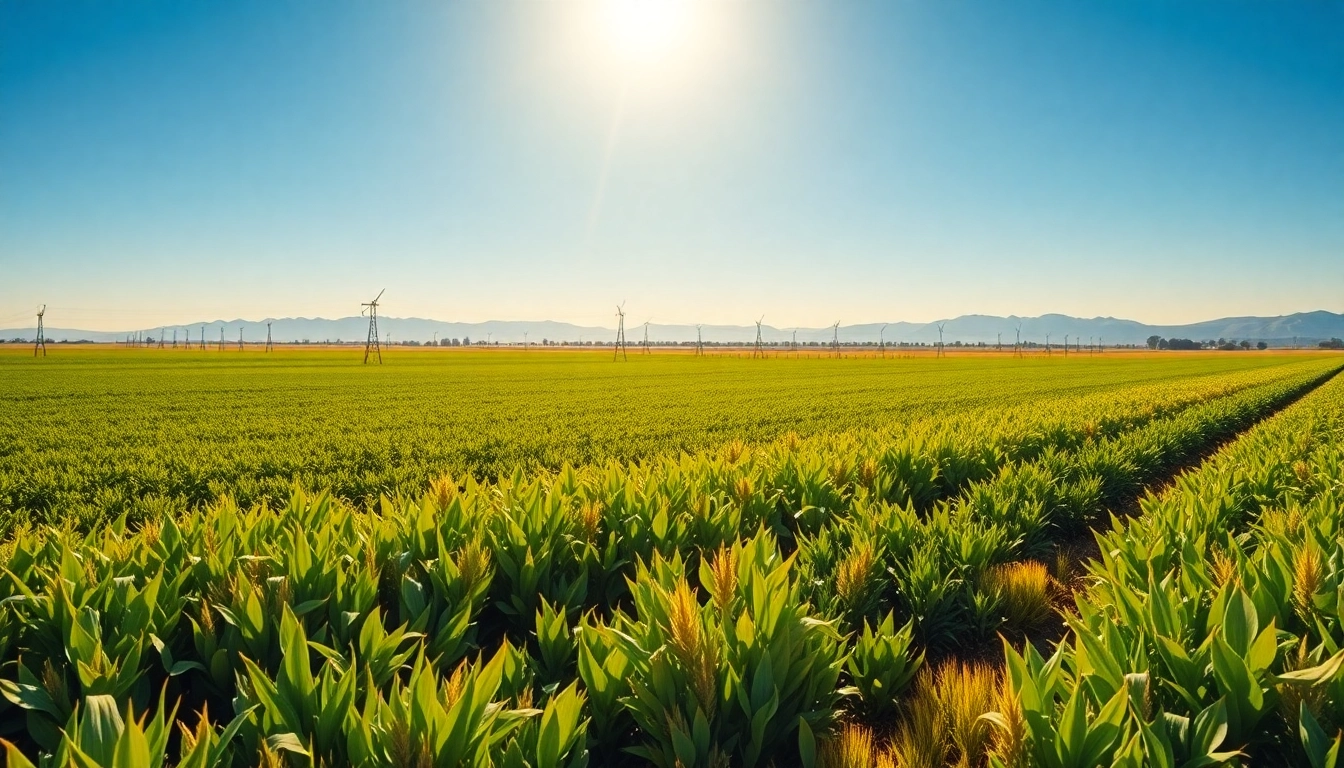
Understanding Land Irrigation Fundamentals
What is Land Irrigation?
Land irrigation refers to the artificial application of water to the soil or land to assist in the growth of crops. It involves various techniques and technologies to distribute water for agricultural purposes, ensuring that crops receive the necessary moisture to thrive. Proper land irrigation is essential for maximizing agricultural efficiency, especially in areas prone to drought or where rainfall is insufficient to meet crop needs.
Importance of Land Irrigation in Agriculture
Land irrigation plays a crucial role in agriculture by enhancing crop yields and ensuring food security. With an ever-growing global population, the demand for food continues to rise, necessitating efficient farming practices. Irrigation allows farmers to cultivate a wider variety of crops, reduces the risks associated with unpredictable rainfall, and optimizes water usage, which is critical in water-scarce regions.
Moreover, irrigation can enhance soil fertility as different irrigation methods can improve organic matter in soil, minimize soil erosion, and help in the sustainable management of agricultural land.
Common Types of Land Irrigation Systems
There are several types of land irrigation systems, each suited for specific agricultural practices and land types:
- Surface Irrigation: This is one of the oldest methods, where water flows over the soil surface. It includes furrow, basin, and border systems.
- Drip Irrigation: A highly efficient system that delivers water directly to the roots of plants through a network of tubing and emitters.
- Sprinkler Irrigation: This method simulates rainfall by using a system of pipes and pumps to spray water across the crops.
- Subsurface Irrigation: Water is applied below the soil surface, which is ideal for high-value crops and minimizes evaporation.
- Center Pivot Irrigation: A modern system that revolves around a pivot point, allowing for even water distribution over large fields.
Choosing the Right Land Irrigation System
Factors Affecting Your Land Irrigation Choice
Several factors must be considered when selecting an irrigation system, including:
- Soil Type: Different soils have varying capacities for holding water, affecting the choice between surface and subsurface irrigation.
- Crops: The specific water needs of the crops being grown can dictate which irrigation system is most suitable.
- Water Availability: Access to reliable water sources can significantly influence irrigation choices, impacting system design.
- Climate: Areas with high evaporation rates may benefit from more efficient systems like drip irrigation.
- Labor Costs: The available labor force can affect the level of technology adopted for irrigation.
Cost Analysis of Land Irrigation Options
The cost of implementing a land irrigation system can vary widely based on the type of technology and the scale of the operation. Here are some considerations for cost analysis:
- Initial Investment: This includes purchasing equipment, installation, and infrastructure development.
- Operational Costs: Ongoing expenses such as labor, maintenance, and energy for running pumps.
- Long-term Savings: Efficient systems like drip irrigation can lead to substantial water savings, decreasing ongoing costs.
- Government Incentives: Many regions offer subsidies or grants for adopting water-efficient irrigation technologies.
Resources for Selecting a Land Irrigation System
Making an informed decision requires accessing resources that provide information about different irrigation systems. Here are some useful resources:
- Extension Services: Local agricultural extension offices provide tailored advice and resources.
- Online Simulators: Tools that allow farmers to estimate costs and returns based on different irrigation systems.
- Trade Shows: Agricultural expos often feature the latest technologies and innovations in irrigation.
- Consulting Firms: Professional advice can help tailor solutions to specific farm conditions and needs.
Implementing Land Irrigation in Your Farm
Step-by-Step Guide to Land Irrigation Setup
Establishing a land irrigation system involves multiple steps, including:
- Assess Land and Soil: Evaluate your land's topography, soil type, and water availability.
- Select a System: Choose an irrigation system based on the assessed needs and available resources.
- Design the System: Create a design that maximizes water efficiency and crop yield.
- Install Equipment: Set up the irrigation infrastructure, including pumps, pipes, and emitters.
- Test the System: Run the system to check for leaks, obstructions, and efficiency before full-scale implementation.
- Train Personnel: Ensure that all users are trained in the operation and maintenance of the system.
Maintaining Your Land Irrigation System
Regular maintenance is crucial for the longevity and effectiveness of an irrigation system. Key maintenance practices include:
- Regular Inspections: Check for leaks, clogs, and wear on equipment.
- Cleaning Filters: Clear out sediment and debris from filters to ensure optimal water flow.
- Adjusting Timers: Modify watering schedules seasonally to match crop needs and weather changes.
- Pest Control: Monitor for pests that may target irrigation components.
Common Mistakes to Avoid with Land Irrigation
Farmers can benefit from being aware of common pitfalls associated with land irrigation:
- Over Irrigation: Excess water can lead to runoff and waste, harming the environment.
- Neglecting Soil Testing: Ignoring soil health can lead to inefficient water usage.
- Ignoring Crop Needs: Not adjusting schedules to suit specific crop requirements can reduce yield.
- Failing to Educate Operators: Insufficient training can lead to mismanagement and costly errors.
Measuring the Effectiveness of Land Irrigation
Key Metrics for Evaluating Land Irrigation Success
To gauge the success of a land irrigation system, farmers should consider these metrics:
- Crop Yield: Assess the total production to determine if it meets targets.
- Water Use Efficiency: Calculate the amount of water needed per unit of crop produced.
- Soil Moisture Levels: Regularly monitor moisture levels to ensure optimal irrigation.
- Cost-Benefit Analysis: Evaluate the overall financial viability of the irrigation system.
Adjusting Techniques Based on Performance Metrics
Analyzing performance metrics can reveal areas for improvement. Consider the following adjustments:
- Fine-Tuning Irrigation Schedules: Adjust timings based on moisture readings and crop demands.
- Switching Delivery Methods: If water efficiency is lacking, consider changing to a more effective irrigation method.
- Incorporating Soil Amendments: Enhance moisture retention with organic matter if soil tests show deficiencies.
- Leveraging Technology: Use sensors and digital tools for real-time monitoring and management.
Case Studies on Successful Land Irrigation Applications
Examining successful projects can provide practical insights:
- Drip Irrigation in Vineyards: A case study revealed that implementing drip systems in vineyards increased yields by 30% while reducing water usage by 60%.
- Center Pivot Systems in Wheat Farming: Farmers adopting center pivot systems reported a boost in efficiency and yield due to targeted watering techniques.
- Subsurface Irrigation on Orchards: Utilizing subsurface systems led to healthier trees and reduced water evaporation.
Future Trends in Land Irrigation
Technological Innovations in Land Irrigation
Emerging technologies are shaping the future of land irrigation:
- Automation: Autonomous systems controlled by AI are expected to optimize water usage.
- Sensor Technology: Advanced soil and climate sensors will provide more precise irrigation data.
- Drone Technology: Drones can be utilized for monitoring crop health, soil moisture, and optimal irrigation practices.
Environmental Considerations for Sustainable Land Irrigation
As environmental concerns grow, sustainable irrigation practices are becoming increasingly important:
- Water Conservation: Implementing water-efficient technologies reduces water waste.
- Integrated Water Resource Management: A holistic approach to water management that looks at overall ecosystem health.
- Soil Health Preservation: Practices that protect soil integrity lead to sustainable irrigation outcomes.
Predictions for the Future of Land Irrigation
The future of land irrigation is likely to focus on sustainability and efficiency:
- Increased Investment in R&D: More funding will be directed toward innovative irrigation technologies.
- Regulatory Changes: Governments may introduce more stringent regulations aimed at water conservation.
- Global Collaboration: International cooperation could lead to shared solutions for water scarcity in agriculture.
FAQs about Land Irrigation
What are the main benefits of land irrigation?
Land irrigation enhances crop yields, optimizes water usage, and mitigates risks associated with drought and variable rainfall.
How does climate affect land irrigation choices?
Regions with high evaporation rates or irregular rainfall patterns often benefit from efficient systems like drip irrigation, tailored to minimize water loss.
What is the most efficient irrigation system?
Drip irrigation is often considered the most efficient, as it delivers water directly to plant roots and minimizes evaporation and runoff.
How often should I check my irrigation system?
Regular checks should be conducted every season, with additional inspections during critical growing periods to ensure optimal function.
Are there government programs that support irrigation system upgrades?
Many regions offer subsidies, grants, or tax incentives aimed at modernizing irrigation systems to promote water conservation and efficiency.