

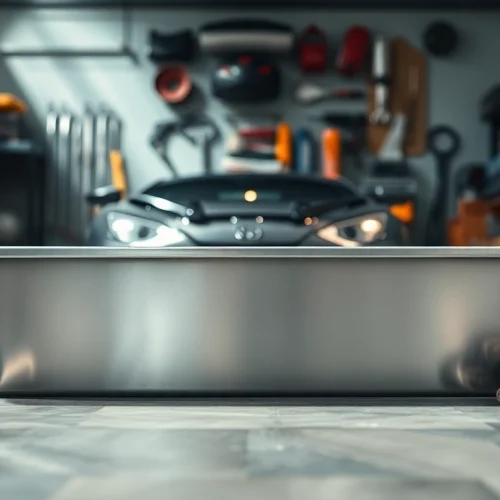
Understanding the Oil Drain Pan
What is an Oil Drain Pan?
An Oil Drain Pan is a vital tool for vehicle owners or mechanics who need to collect used motor oil during an oil change. Typically made from durable plastic or metal, these pans are designed to securely hold the oil while preventing spills and messes. The design often incorporates features such as spouts or wide openings, making it easier to pour out the used oil after collection.
Key Benefits of Using an Oil Drain Pan
Using an Oil Drain Pan comes with numerous benefits, which include:
- Environmental Safety: Collecting used oil in a dedicated pan helps prevent spills and protects the environment from hazardous waste.
- Ease of Use: The design of these pans makes it simple to handle and dispose of used oils, minimizing the mess associated with oil changes.
- Cost-Effectiveness: Investing in a quality oil drain pan can save money in the long run by allowing DIY oil changes without the need for professional services.
- Convenience: Many Oil Drain Pans are lightweight and portable, making them ideal for use both at home and in professional garages.
- Durability: Made to withstand harsh chemicals found in motor oils, these pans are built to last and resist corrosion or damage.
Common Types of Oil Drain Pans
There are several varieties of Oil Drain Pans available, each designed to meet different needs:
- Standard Pans: Usually made of plastic with a capacity of around 5 to 20 quarts, these are ideal for basic oil changes.
- Electric Oil Drain Pans: These pans come equipped with electric pumps for draining oil more efficiently, usually recommended for heavy-duty applications.
- Rolling Pans: Designed with wheels, these pans are excellent for use in workshops where mobility under vehicles is required.
- Metal Oil Drain Pans: Typically more durable than their plastic counterparts, metal pans can withstand higher temperatures and are often used in professional settings.
- Low Profile Pans: These pans are specially designed to fit under low-profile vehicles, making them adaptable for various automotive needs.
Choosing the Right Oil Drain Pan
Factors to Consider When Selecting an Oil Drain Pan
Selecting the right Oil Drain Pan involves evaluating several critical factors:
- Capacity: Depending on the size of the vehicle and the amount of oil to be drained, choose a pan that accommodates your needs without overflow.
- Material: Consider whether metal or plastic will best suit your working environment. Metal pans are often more robust, while plastic ones are lightweight and easier to handle.
- Design Features: Look for features such as spouts for easy pouring, wide openings, and safe handling grips for maximum convenience.
- Portability: If you plan on moving the pan frequently, consider options that are lightweight or come with wheels.
Size and Capacity of Oil Drain Pans
The size and capacity of an Oil Drain Pan are crucial aspects to consider. Most standard pans hold anywhere from 5 to 20 quarts. For larger vehicles such as trucks or SUVs that may require more oil, a 20-quart pan is necessary to prevent overflow during the draining process. It’s always best to overestimate your needs concerning capacity rather than risk underestimating and creating a mess.
Material Composition for Durability
The material of an Oil Drain Pan directly influences its durability and functionality. Here’s a brief overview:
- Plastic: These pans are lightweight, resistant to corrosion, and perfect for DIY projects at home.
- Metal: Metal pans are usually heavier but provide greater durability and the ability to withstand higher temperatures, making them ideal for professional environments.
Best Practices for Using an Oil Drain Pan
How to Properly Position Your Oil Drain Pan
Proper positioning of the Oil Drain Pan is critical to effectively collect used oil:
- Ensure the vehicle is on a level surface to prevent spills.
- Position the pan directly beneath the oil drain plug, ensuring it covers the complete area where oil will flow out.
- If using an electric oil drain pan, connect it to the necessary power source before beginning.
Steps for Efficient Oil Drainage
Once the pan is set up correctly, follow these steps for efficient oil drainage:
- Use the right tools, like a wrench, to remove the oil drain plug carefully.
- Allow the oil to flow into the pan completely. Keep an eye on the pan’s capacity to avoid overflow.
- Once draining is complete, place the drain plug back securely.
Safety Tips When Handling Used Oil
Handling used oil can be hazardous; therefore, following these safety tips is essential:
- Wear gloves to protect your hands from chemical exposure.
- Use an oil absorbent mat underneath the pan to catch any potential spills.
- Store used oil in a secure container until it can be taken to a recycling facility.
Maintaining Your Oil Drain Pan
Cleaning Techniques for Longevity
Regular maintenance and cleaning extend the life of your Oil Drain Pan. Here are some recommended cleaning techniques:
- After each use, empty the pan and wipe it down with a paper towel to remove residue.
- Wash the pan with warm, soapy water. Use a non-abrasive sponge to avoid scratches.
- Rinse thoroughly and allow it to dry completely before storing.
Storage Solutions to Keep Your Oil Drain Pan Safe
Effective storage solutions ensure that your Oil Drain Pan remains in good shape:
- Store it in a dry, cool place to prevent mold and degradation of materials.
- If possible, hang or secure it on a wall to conserve floor space.
- Keep it covered when not in use to protect it from dust and dirt.
Detecting Damage and When to Replace
Over time, wear and tear might affect your Oil Drain Pan’s performance. Look out for the following signs of damage:
- Cracks or holes indicating it can no longer hold oil without leaking.
- Extreme discoloration or stiffness in plastic pans can signal degradation.
- Worn or damaged handles that can make it difficult to maneuver.
If any of these conditions are present, it may be time to invest in a new Oil Drain Pan.
FAQs about Oil Drain Pans
What should I look for in an Oil Drain Pan?
Look for size, material, and features like a spout for easy pouring to maximize convenience during oil changes.
Can I use a regular container instead of an Oil Drain Pan?
While it’s possible, an Oil Drain Pan is specifically designed to prevent spills and facilitate oil collection, offering a safer and cleaner alternative.
How often should I clean my Oil Drain Pan?
After each use, clean your Oil Drain Pan to ensure hygiene and prevent contamination, extending its lifespan and efficiency.
What materials are best for an Oil Drain Pan?
Plastic and metal are common materials; metal is more durable, while plastic is lightweight, making both suitable depending on the situation.
How do I dispose of oil collected in the Oil Drain Pan?
Take the used oil to a recycling center or an auto shop that accepts used oil, ensuring environmentally-friendly disposal.